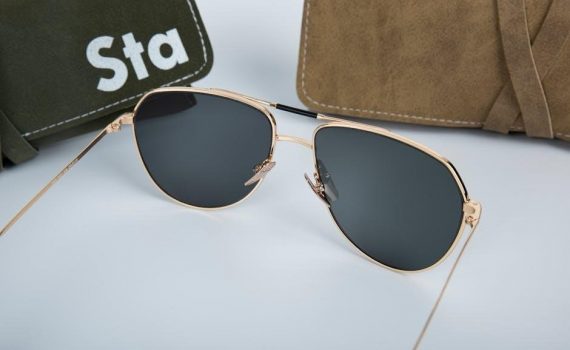
sunglass lens color guide
Category : Guide
Sunglass Lens Color Guide: A Comprehensive Overview (Updated 01/27/2026)
Selecting the ideal sunglass lens color enhances visual experiences, offering benefits beyond style. Different tints cater to specific activities and light conditions, improving clarity and comfort.
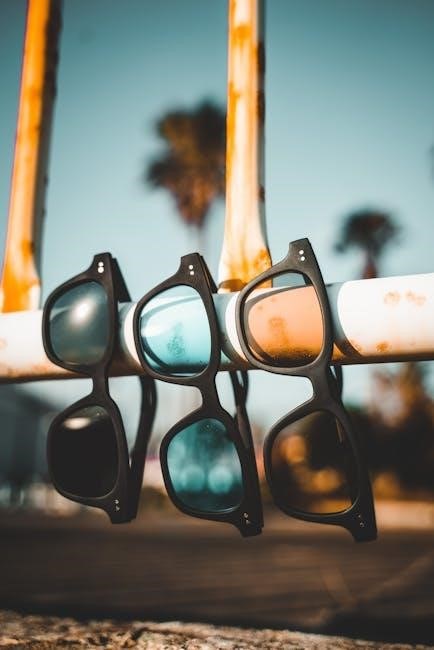
Understanding sunglass lens colors is crucial for optimal vision and eye protection. Beyond aesthetics, each tint offers unique functional advantages, impacting contrast, depth perception, and color fidelity. Choosing wisely aligns with lifestyle and activities, whether driving, sports, or leisure. Gray lenses reduce glare, while amber enhances contrast, and specialized tints cater to specific needs, improving visual clarity and overall comfort in diverse conditions.
Gray Lenses: Versatility and True Color Perception

Gray lenses are exceptionally versatile, suitable for various conditions and activities. They reduce overall brightness without distorting colors, providing true color perception. Excellent for driving, general outdoor use, and water sports, gray tints minimize eye strain and glare effectively, offering comfortable vision in bright sunlight and consistent light reduction.
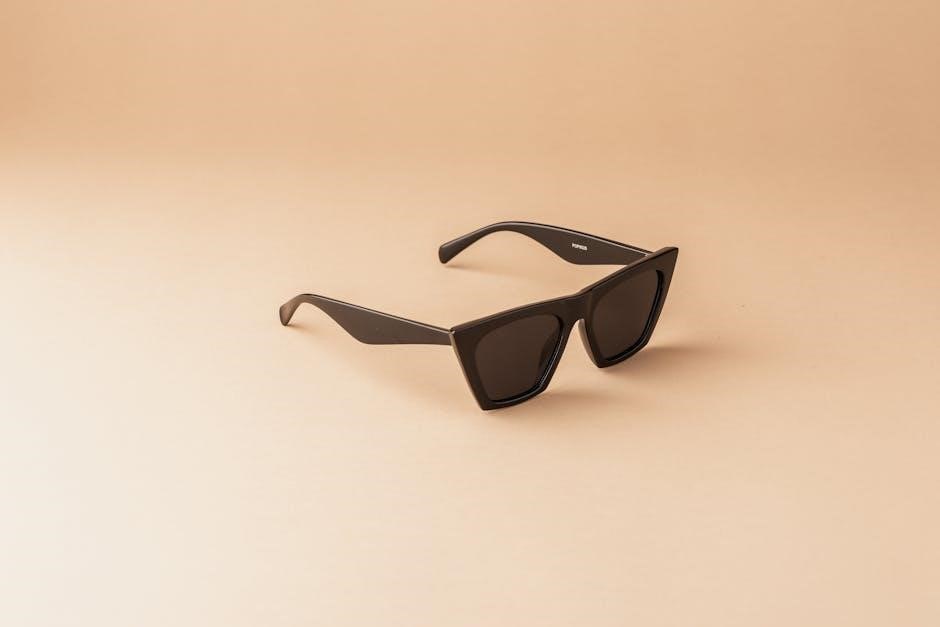
Benefits of Gray Lenses for Various Activities
Gray lenses excel in diverse activities like driving, baseball, football, and water sports. Their glare reduction is crucial for fishing and boating, enhancing clarity. They’re ideal for everyday wear, minimizing eye fatigue. Gray’s balanced light reduction ensures comfortable vision across many outdoor pursuits, providing consistent protection and visual acuity.
Glare Reduction and Eye Strain Relief with Gray Tints
Gray tints significantly reduce glare, particularly from reflective surfaces like water or roads, minimizing eye strain and fatigue. This makes them exceptionally comfortable for prolonged outdoor exposure. By lessening brightness, gray lenses promote relaxed vision, enhancing clarity and reducing the need to squint, ultimately protecting eye health.
Brown/Amber Lenses: Enhanced Contrast and Depth Perception
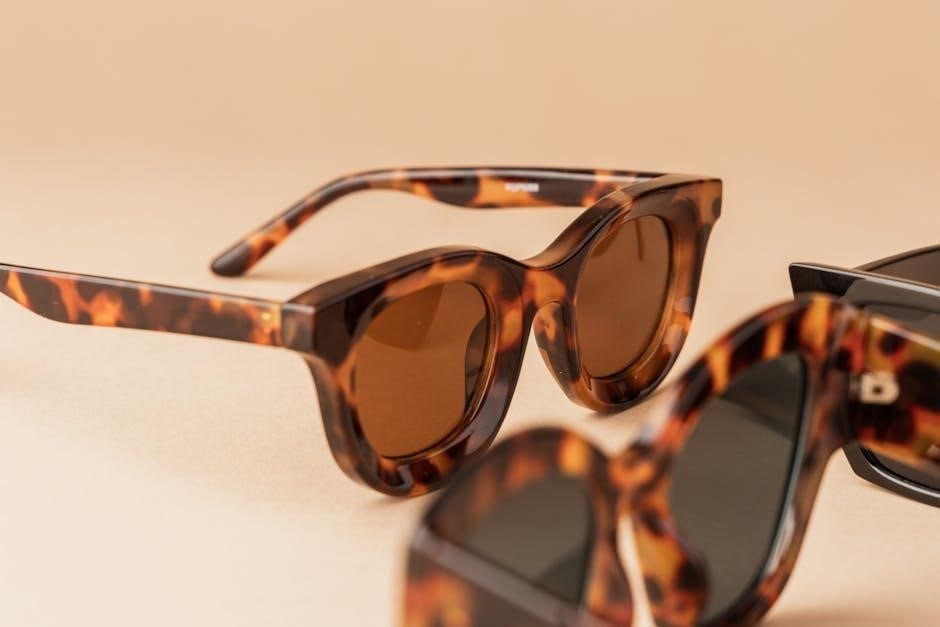
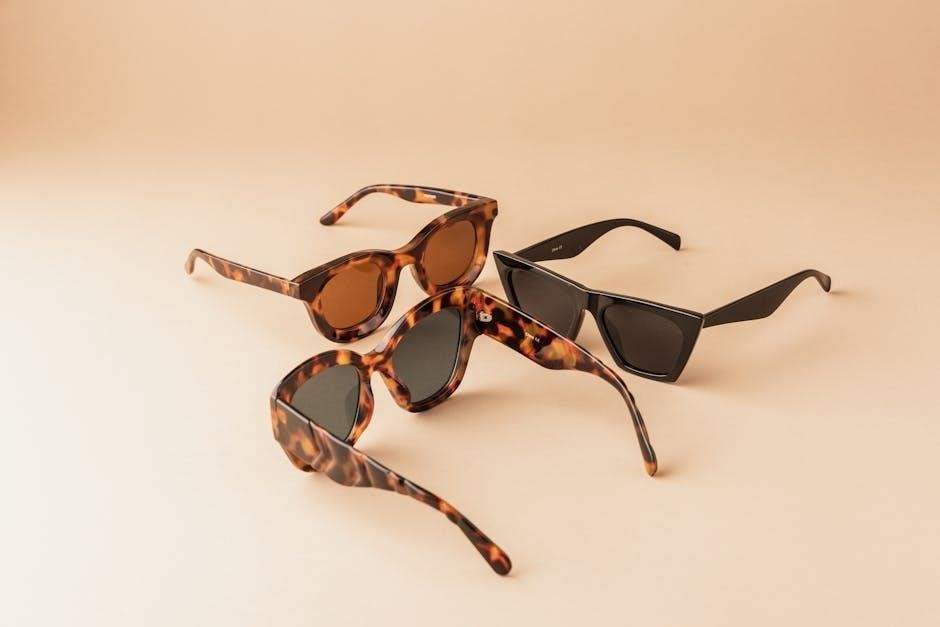
Brown and amber lenses excel at boosting visual contrast and depth perception, particularly in variable light conditions. They filter blue light, sharpening focus and providing a natural color balance. This makes them ideal for activities requiring precise vision, offering improved clarity and a more comfortable viewing experience overall.
Ideal Uses for Brown Lenses: Driving and Variable Conditions
Brown lenses are exceptionally well-suited for driving due to their ability to enhance contrast and reduce eye strain in fluctuating light. They perform admirably in partly cloudy or overcast conditions, providing consistent clarity. These lenses are also beneficial for outdoor sports where light levels change frequently, ensuring optimal vision.
Improving Visual Acuity with Amber Tints
Amber tints excel at sharpening visual acuity, particularly by boosting contrast in low-light scenarios. They filter out blue light, reducing glare and haze, which results in clearer, more defined images. This makes amber lenses a superb choice for activities demanding precise vision, enhancing depth perception and overall clarity.
Green Lenses: Balanced Color Perception and Contrast
Green lenses provide a balanced visual experience, offering excellent color contrast while maintaining true color perception. They reduce eye strain and enhance visual acuity, making them versatile for various outdoor activities. Green tints are particularly effective in bright sunlight, delivering comfortable vision without significant color distortion.
Green Lenses for General Purpose Use
Green lenses excel as an all-around choice, suitable for everyday wear and diverse activities. Their balanced color rendition and contrast enhancement make them ideal for driving, casual outdoor pursuits, and general sunlight protection. They offer comfortable vision in varying light conditions, proving exceptionally versatile.
Benefits of Green Lenses in Bright Sunlight
Green lenses significantly reduce eye strain in intense sunlight, offering excellent visual acuity without distorting colors. They effectively filter blue light, enhancing contrast and clarity while minimizing glare. This makes them a superb option for prolonged outdoor exposure, providing comfortable and protected vision during bright conditions.
Yellow Lenses: Increased Contrast in Low Light
Yellow lenses excel at boosting visual contrast in challenging conditions, like fog or overcast skies. By filtering blue light, they sharpen depth perception and enhance clarity, making them ideal for activities where accurate vision is crucial. These tints brighten surroundings, improving visibility when light is limited.
Yellow Lenses for Foggy and Overcast Conditions
Specifically designed for low-light scenarios, yellow lenses are invaluable during foggy or overcast weather. They effectively filter out blue light, which contributes to haze, resulting in significantly improved contrast and clarity. This makes them a superb choice for activities requiring heightened visual acuity in diminished light.
Enhancing Depth Perception with Yellow Tints
Yellow lenses excel at boosting depth perception, a crucial advantage in variable conditions. By filtering blue light, they sharpen visual details and create a more defined landscape. This heightened perception is particularly beneficial for activities like cycling, skiing, and driving, improving spatial awareness and reaction time.
Rose/Red Lenses: Comfort and Contrast Enhancement
Rose and red lenses provide exceptional comfort and enhanced contrast, making them versatile for various uses. They subtly sharpen vision while reducing glare, easing eye strain during prolonged exposure. These tints are favored for snow sports and computer use, offering a soothing visual experience and improved clarity.
Rose Lenses for Snow Sports and Computer Use
Rose-tinted lenses excel in snow sports by boosting contrast against white backgrounds, improving depth perception. For computer users, they filter blue light, reducing eye fatigue and enhancing visual comfort during extended screen time. This makes rose lenses a practical choice for both outdoor adventures and digital lifestyles.
Reducing Eye Strain with Rose-Colored Lenses
Rose lenses effectively minimize eye strain by filtering harsh blue light, a significant contributor to digital eye fatigue. They also enhance contrast, allowing eyes to focus more comfortably. This makes them ideal for prolonged computer use or situations demanding sustained visual attention, promoting relaxation and reducing discomfort.
Blue/Purple Lenses: Fashion and Moderate Contrast
Blue or purple lenses offer a stylish aesthetic alongside functional benefits, providing moderate contrast enhancement for general outdoor use. While not ideal for high-glare situations, they subtly improve visual clarity and color perception. These tints are a popular choice prioritizing fashion and everyday wearability.
Aesthetic Appeal of Blue and Purple Lenses
Blue and purple sunglass lenses are undeniably fashionable, offering a unique and eye-catching look. These tints provide a softer, more subtle appearance compared to bolder colors. They complement various skin tones and styles, making them a popular choice for individuals prioritizing visual appeal alongside sun protection.
Suitability for General Outdoor Use
Blue or purple lenses are suitable for general outdoor activities, offering moderate contrast and visual clarity. While not ideal for specialized sports, they function well in everyday conditions. These tints reduce glare somewhat, providing comfortable vision without significantly altering color perception, making them versatile for casual wear.
Polarized Lenses: Reducing Glare from Reflective Surfaces
Polarized lenses minimize glare from surfaces like water, snow, and roads by blocking horizontally polarized light. This technology enhances visual comfort and clarity, reducing eye strain. Polarization is exceptionally beneficial during activities near reflective surfaces, improving safety and performance for drivers, boaters, and anglers.
How Polarization Works to Minimize Glare
Polarization filters horizontal light waves, the primary source of glare. A special filter within the lens only allows vertically polarized light to pass through. This process effectively blocks reflected light from surfaces, resulting in sharper vision and reduced eye fatigue. It’s a crucial feature for outdoor enthusiasts.
Best Activities for Polarized Sunglasses
Polarized sunglasses excel in environments with intense glare. Water sports like fishing and boating greatly benefit, as they eliminate reflections. Driving safety improves by reducing glare from roads and car hoods. Activities like golf, cycling, and skiing also see enhanced clarity and reduced eye strain with polarized lenses.
Mirror-Coated Lenses: Reflecting Light and Enhancing Style
Mirror coatings aren’t just for aesthetics; they reduce light intensity by reflecting more light away from the eyes. This boosts visual comfort in bright conditions. Coating colors influence which wavelengths are reflected, impacting perceived color and contrast. Choosing a color complements both style and intended use, offering functional benefits.
Benefits of Mirror Coatings Beyond Aesthetics
Mirror coatings significantly reduce glare and brightness, enhancing visual comfort, especially around reflective surfaces like water or snow. They minimize eye strain during prolonged sun exposure. These coatings also offer a degree of privacy by obscuring the wearer’s eyes, adding a functional layer beyond mere style.
Choosing the Right Mirror Coating Color
Mirror coating color impacts light reduction and aesthetic preference. Silver mirrors offer a neutral reflection, while gold or rose-gold tints enhance warmth. Blue or green coatings provide a cooler aesthetic and can subtly alter color perception. Consider the base lens tint alongside the mirror for optimal performance and style.
Photochromic Lenses: Adapting to Changing Light Conditions
Photochromic lenses automatically adjust tint darkness based on UV exposure, providing versatile vision. These “transition” lenses darken in sunlight and become clearer indoors, eliminating the need to switch glasses. They offer convenience for varied activities, adapting seamlessly to changing environments and light levels.
How Photochromic Lenses Adjust to Sunlight
Photochromic lenses contain millions of microscopic crystals that react to ultraviolet (UV) light. When exposed to sunlight, these crystals undergo a chemical process, darkening the lens. The intensity of the darkening correlates directly with the amount of UV radiation present, ensuring optimal vision in varying sunlight conditions.
Convenience and Versatility of Transition Lenses
Transition lenses offer unparalleled convenience, eliminating the need to switch between prescription glasses and sunglasses. Their adaptability makes them ideal for diverse lifestyles, seamlessly adjusting from indoor clarity to outdoor protection. This versatility simplifies eyewear needs, providing a single solution for all-day comfort and visual acuity.
Lens Material and Color Combinations
Lens material significantly impacts color performance and durability. Polycarbonate offers impact resistance and lightweight comfort, while glass provides superior optical clarity. Combining these materials with various tints allows for customized vision solutions, balancing protection, clarity, and style preferences for optimal visual experiences.
Polycarbonate vs. Glass Lenses and Color Options
Polycarbonate lenses excel in impact resistance and are ideal for active lifestyles, readily accepting various color tints. Glass lenses, though heavier, deliver exceptional optical clarity and color fidelity. Both materials pair well with gray, brown, green, or amber tints, offering diverse visual and protective benefits.
Impact of Lens Material on Color Performance
Lens material subtly influences how colors are perceived; polycarbonate may slightly alter hues compared to glass’s truer rendition. Glass maintains superior color accuracy, while polycarbonate prioritizes durability. Tint vibrancy can also differ, with some materials enhancing or muting specific shades, impacting overall visual experience.
Choosing the Right Lens Color for Specific Sports
Optimal sports performance relies on selecting the correct lens tint. Golf and fishing benefit from amber or brown lenses, boosting contrast. Skiing demands varying tints for conditions; gray for bright sun, yellow for fog. Water sports thrive with polarized gray, minimizing glare, enhancing clarity and overall enjoyment.
Golf and Fishing: Optimizing Lens Color for Visual Clarity
Amber and brown lenses are ideal for golf and fishing, significantly enhancing contrast against green grass and water. These tints sharpen visual acuity, allowing golfers to track the ball and anglers to spot fish more easily. They improve depth perception, crucial for judging distances on the course or in the water.
Skiing and Snowboarding: Lens Colors for Varying Conditions
Rose, amber, and yellow lenses excel in snowy environments, boosting contrast and visibility in fluctuating light. Rose tints reduce eye strain, while amber enhances depth perception. Yellow lenses are superb for foggy conditions, improving clarity when visibility is low. Consider variable tints for all-day comfort on the slopes.
Understanding VLT (Visible Light Transmission) and Lens Color
Visible Light Transmission (VLT) indicates how much light passes through lenses; lower VLT means darker tints. Lens color impacts VLT – gray lenses often have low VLT, ideal for bright sun. Choose higher VLT for low-light conditions. Matching VLT to activity and light levels optimizes vision and comfort.
The Relationship Between VLT and Lens Tint Darkness
VLT and tint darkness are inversely proportional: lower VLT signifies a darker tint, reducing more light. Darker tints (low VLT) suit bright conditions, minimizing glare and eye strain. Lighter tints (higher VLT) are better for overcast days, preserving some visibility while still offering protection.
Choosing VLT Based on Activity and Light Levels
For bright, sunny conditions, opt for low VLT (0-15%), ideal for snow or water sports. Moderate light (16-43% VLT) suits general outdoor use and driving. Overcast days or indoor activities benefit from higher VLT (44-90%), providing comfort without excessive darkness.
Caring for Your Sunglasses and Maintaining Lens Color
Regular cleaning with microfiber cloths and specialized lens cleaners preserves optical clarity and color vibrancy. Store sunglasses in a protective case to prevent scratches and damage to coatings. Avoid abrasive materials and harsh chemicals, ensuring longevity and optimal performance of your lenses.
Cleaning and Storage Tips to Preserve Lens Quality
Utilize microfiber cloths for gentle cleaning, removing dust and smudges without scratching. Avoid paper towels or clothing. Store sunglasses in a hard case when not in use, protecting lenses from impacts and environmental factors. Proper storage extends lens life and maintains optimal visual performance.
Protecting Lens Coatings from Scratches and Damage
Avoid abrasive surfaces and harsh chemicals that can degrade lens coatings. Regularly inspect lenses for scratches, and address them promptly. Specialized lens cleaning solutions offer superior protection. Store sunglasses with lenses facing upwards to minimize surface contact and potential damage during storage and transport.
Ultimately, the best lens color depends on your lifestyle and visual needs. Consider your primary activities and typical light conditions. Prioritize functionality alongside aesthetics for optimal performance and comfort. Explore various tints to discover the perfect balance, enhancing your vision and protecting your eyes effectively.