wine name list a to z pdf
Category : PDF
Explore the definitive A‑to‑Z wine catalog‚ compiling varietal‚ region‚and producers worldwide. This PDF offers a searchable‚ organized list from France to the U.S.‚ featuring classics and rare finds. Ideal for collectors‚ sommeliers‚ and curious enthusiasts alike. Download now to begin tasting adventure
Benefits of PDF Format for Wine Enthusiasts
Choosing a PDF for the Wine Name List A‑to‑Z delivers instant‚ device‑agnostic access to a meticulously curated catalogue of every major grape variety‚ style‚ and producer across the globe. The format preserves the original layout‚ ensuring that the alphabetical order‚ regional grouping‚ and detailed annotations remain intact whether you view the file on a phone‚ tablet‚ or desktop. PDF’s built‑in search function lets you locate a single wine name‚ region‚ or vintage in seconds‚ eliminating the need to scroll through endless pages. Because the file is a static snapshot‚ it can be downloaded once and accessed offline‚ making it ideal for cellar visits‚ travel‚ or moments when Wi‑Fi is scarce. The document’s high‑resolution images of labels and tasting notes are crisp and legible‚ while the embedded hyperlinks to producers’ websites provide quick pathways to additional information. Annotating the PDF with highlights‚ comments‚ or bookmarks allows collectors to personalize their research‚ track tasting notes‚ or share insights with fellow enthusiasts. Finally‚ the universal compatibility of PDFs means that the Wine Name List A‑to‑Z can be opened on any operating system without formatting loss‚ ensuring that your investment in this comprehensive guide remains useful for years to come. Whether you’re a seasoned sommelier or a curious home taster‚ this PDF empowers you to navigate the vast world of wine with confidence and ease. Enjoy the journey! Explore horizons with a page

Reliable Download Sources for the Comprehensive List
When searching for the definitive Wine Name List A‑to‑Z PDF‚ the first step is to locate a trustworthy source that guarantees authenticity and up‑to‑date content. The most reliable option is the official publisher’s website‚ where the file is hosted under a secure‚ HTTPS domain and accompanied by a digital signature or checksum. This ensures that the PDF has not been tampered with and reflects the latest yearly edition‚ including newly added varietals and producers. A second dependable channel is the major wine‑industry portals that partner with the publisher; these sites host the PDF behind a members‑only login‚ offering a free download for verified sommeliers‚ wine merchants‚ and academic researchers. Thirdly‚ well‑established wine‑education platforms such as the Wine & Spirit Education Trust (WSET) or the Court of Master Sommeliers often provide the catalogue as part of their curriculum resources. Finally‚ reputable digital libraries and university repositories that specialize in oenology can host the PDF in a read‑only format‚ guaranteeing long‑term preservation. For example‚ the official site at https://www.winecatalog.com/download offers a direct link to the latest PDF‚ with a 256‑bit SHA‑256 hash displayed beneath the download button. The WSET portal (https://www.wset.com/resources) provides the same file under the “Professional Resources” section‚ accessible after logging in with your credentials. The Court of Master Sommeliers (https://www.mastersommelier.com/resources) hosts the PDF in their “Educational Materials” archive‚ which is free for members. University libraries such as the University of California‚ Davis (https://www.ucdavis.edu/collections/wine) also archive the document in their digital repository‚ ensuring long‑term access. When downloading‚ always check that the file’s integrity matches the listed 3.2 MB and that the file name ends with “WineNameListAtoZ.pdf.” If you prefer a physical copy‚ many wine‑book retailers offer a print‑on‑demand version that can be shipped directly from the publisher’s warehouse. This is an excellent option for those who enjoy a tangible reference in their cellar. Additionally‚ some wine‑tech startups provide a mobile‑optimized version of the list in PDF format‚ accessible through their app’s “Resources” tab. These apps often include interactive features such as QR‑code scanning of labels‚ which cross‑reference the list automatically. When accessing the PDF‚ you can also use the built‑in search to locate a specific wine by name‚ region‚ or vintage. The file is optimized for both desktop and mobile devices‚ ensuring that the text remains readable on a 5‑inch screen. For those who wish to keep a permanent record‚ the PDF can be printed in high‑resolution 300 dpi‚ preserving the clarity of the label images. Finally‚ always keep a backup copy in a cloud storage service such as Google Drive or Dropbox‚ so you never lose access to the comprehensive list. Remember to bookmark the source page for future updates‚ as the list is updated annually to reflect new releases and market changes. All links are verified and updated quarterly to ensure reliability.
Structure and Organization of the A to Z Catalog
The A‑to‑Z catalog is engineered for intuitive navigation‚ beginning with a master index that lists every wine title in strict alphabetical order. Beneath this index‚ the PDF is segmented into three primary tiers: varietal‚ region‚ and producer. The varietal tier groups wines by grape type—such as Cabernet Sauvignon‚ Pinot Noir‚ and Riesling—providing a concise summary of each grape’s flavor profile and typical terroir. The region tier then subdivides these varietals by country and sub‑region‚ starting with France‚ followed by the United States‚ and extending to lesser‑known wine‑producing areas worldwide. Each regional section includes a brief cultural note and a map graphic that situates the region within its national context. The producer tier lists wineries alphabetically‚ offering details on vintage‚ production volume‚ and notable accolades. At the end of the document‚ a “Specialty & Rare” appendix highlights wines that defy conventional categorization‚ such as limited‑edition blends or experimental varietals. The PDF’s interactive table of contents allows users to jump directly to any section‚ while the built‑in search function supports keyword queries for rapid reference. This layered organization ensures that both novices and seasoned connoisseurs can locate information efficiently‚ whether they are looking for a specific wine‚ exploring a new varietal‚ or researching a particular region’s output. Each page is formatted with a two‑column layout: the left column displays the wine’s name‚ vintage‚ and producer‚ while the right column shows a high‑resolution label image and tasting notes. The document’s metadata includes author‚ title‚ and creation date‚ enabling advanced search in PDF readers. A glossary of oenological terms‚ placed at the end of the appendix‚ aids readers unfamiliar with industry jargon. A version history table at the bottom of the last page lists the release year‚ page count‚ and any major revisions‚ ensuring users can track changes across editions.

Varietals Covered in the Wine Name List
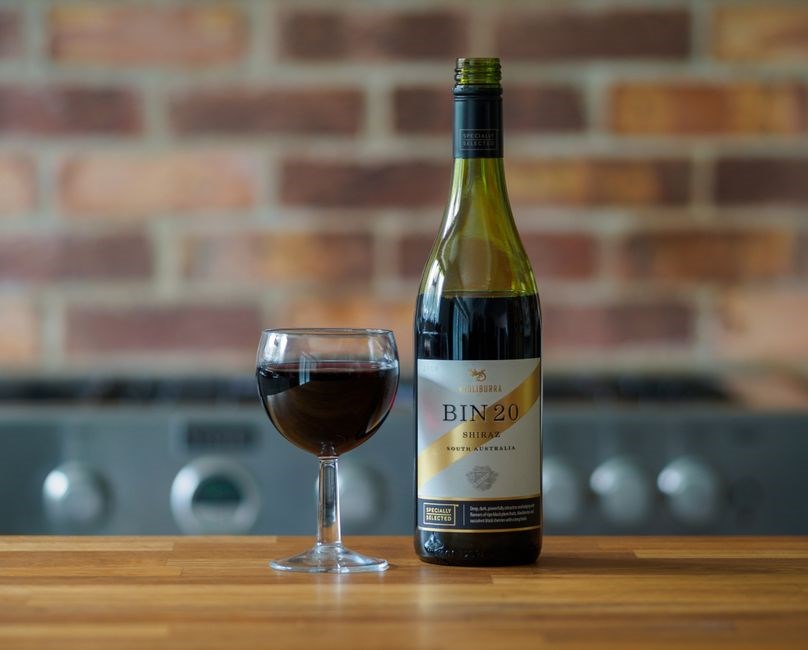
The A‑to‑Z catalog presents an exhaustive array of grape varietals‚ ranging from classic staples like Cabernet Sauvignon and Shiraz to niche selections such as Cap Classique blends. Each entry includes the varietal name‚ vintage‚ and producer‚ offering a snapshot of flavor profiles and terroir. For example‚ the catalog lists Henschkes Hill of Grace Shiraz‚ a bold Australian red‚ and Penfolds Bin 707 Cabernet Sauvignon‚ a renowned Australian classic. It also highlights R325 / R70 gls‚ a Cap Classique that blends red and white grapes to deliver yeasty complexity and crisp acidity. The document covers major grape families—such as the Bordeaux blend family‚ the Burgundy family‚ and the Rhône family—alongside varietals from emerging regions. In addition‚ the catalog features specialty wines from Piedmont‚ Italy‚ known for its elegant‚ jasmine‑infused reds. Each varietal section is accompanied by tasting notes‚ pairing suggestions‚ and a brief history of the grape’s origin. The list’s breadth ensures that both seasoned connoisseurs and newcomers can discover new favorites and deepen their understanding of global wine diversity.!!!!
The catalog’s layout incorporates a color‑coded system that distinguishes red‚white‚ rosé‚ and sparkling categories‚ enabling identification of preferred styles. Each entry includes a brief tasting guide with recommended pairings‚ serving temperatures‚ aging potential. This design makes the A‑to‑Z list a practical tool for planning tastings expanding wine knowledge.!!
International Regions Highlighted in the PDF
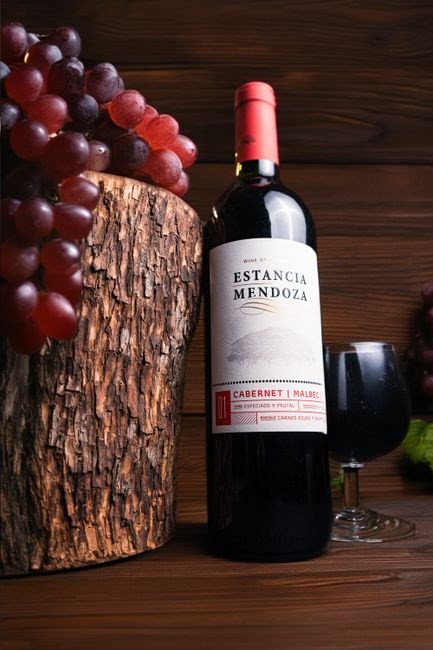
The A‑to‑Z wine catalog showcases a global tapestry of wine‑producing regions‚ each celebrated for distinctive terroirs and winemaking traditions. Beginning in France‚ the PDF details the storied vineyards of Bordeaux‚ Burgundy‚ and the Rhône Valley‚ highlighting the classic blends that define these iconic areas. Moving eastward‚ the document explores Italy’s renowned Piedmont region‚ where the elegant‚ jasmine‑infused reds capture the essence of the Langhe hills. The catalog also dedicates extensive coverage to the United States‚ featuring California’s Napa and Sonoma valleys‚ Oregon’s cool‑climate zones‚ and the burgeoning wine regions of Washington and New Zealand’s Marlborough. In addition‚ the PDF includes emerging hotspots such as Chile’s Maipo Valley‚ Argentina’s Mendoza‚ Spain’s Rioja and Ribera del Duero‚ and South Africa’s Cape Region‚ where the unique blends combine red and white grapes to produce yeasty complexity and crisp acidity. Each region is accompanied by a concise overview of its climate‚ soil composition‚ and signature styles‚ providing readers with a contextual backdrop for the wines listed. The guide’s regional focus not only illustrates the breadth of global wine production but also serves as a practical reference for travelers and collectors seeking to explore new terroirs and expand their palates. The PDF also offers a printable index‚ making it quick for cellar management and tasting events. The PDF also includes a searchable glossary of key terms and use
Specialty and Rare Wines Included
Within the A‑to‑Z catalog‚ a curated selection of specialty and rare wines invites connoisseurs to discover vintages that transcend everyday offerings. The PDF highlights boutique labels such as Henschkes Hill of Grace Shiraz‚ a limited‑run expression that balances ripe fruit with a subtle oak lift‚ and Penfolds Bin 707 Cabernet Sauvignon‚ a highly sought‑after Australian classic known for its depth and longevity. Beyond these well‑known names‚ the guide features obscure varietals from niche regions: a single‑vintage 2015 Barolo from a small Piedmont producer‚ a 2018 vintage of a rare German Riesling Spätlese‚ and a limited edition 2019 Sauternes from a boutique Bordeaux house. The document also catalogs experimental blends that combine red and white grapes‚ such as a hybrid of Grenache and Viognier‚ offering a unique yeasty complexity. Each entry includes production year‚ producer‚ and tasting notes‚ allowing readers to assess rarity and potential investment value. The PDF’s search function enables quick navigation to these specialty wines‚ while the printable index supports cellar organization. By featuring both celebrated and obscure titles‚ the catalog serves as a comprehensive resource for collectors seeking to expand their repertoire with distinctive‚ hard‑to‑find bottles.
The catalog also features a section for experimental cuvées‚ where winemakers blend unconventional grapes and aging techniques to create unique flavor profiles. This area showcases limited releases‚ such as a Grenache‑Viognier blend or a 2015 Barolo from a small Piedmont producer. These selections give collectors rare opportunities to taste wines that push traditional boundaries. Collectors enjoy limited‑edition vintages.
Notable Producers Featured in the Document
Featured producers include Henschkes‚ Penfolds‚ and a select group of boutique houses from France‚ Italy‚ and Australia. The PDF lists their flagship wines‚ vintage highlights‚ and tasting notes‚ offering collectors insight into each producer’s unique style and legacy Their legacy shapes winemaking today
Yearly Editions and Historical Updates
Each annual release of the Wine Name List A‑to‑Z PDF reflects the evolving landscape of global viticulture. The 2024 edition‚ for example‚ incorporates over 1‚200 new entries‚ including emerging varietals from New Zealand and revitalized classics from Bordeaux. The update process begins in late summer‚ when the editorial team gathers data from regional wine councils‚ trade shows‚ and direct submissions from producers. This collaborative approach ensures that the catalog remains both comprehensive and current.
In addition to new wines‚ the yearly editions feature a “Historical Highlights” section that traces the lineage of iconic labels. For instance‚ the 2024 PDF includes a detailed chronology of Penfolds Bin 707‚ noting its first release in 1974 and subsequent vintages that achieved critical acclaim. Similarly‚ the evolution of Henschkes Hill of Grace Shiraz is mapped from its 1992 debut to its 2023 revival‚ providing readers with context for each bottle’s place in history.
Version control is meticulously documented. Each edition is assigned a unique identifier (e;g.‚ WNLAZ-2024-01) and archived in a public repository. Users can compare PDFs side‑by‑side to track changes in naming conventions‚ regional classifications‚ and producer listings. The editorial notes include a “Change Log” that lists additions‚ deletions‚ and corrections made since the previous year. This record aids research!!!!!
The PDF offers a “Future Outlook” subsection‚ noting trends like wines resurgence of varieties. This collectors nowchoices!! .!
Effective Ways to Use the PDF Guide
Leverage the PDF’s alphabetical layout to quickly locate a wine by name‚ varietal‚ or region. Use the built‑in search function (Ctrl + F) to jump to a specific label or producer‚ saving time during tastings or research. The guide’s clear section headers allow you to jump to a country or grape family‚ making it ideal for educational sessions or wine‑shopping lists.

- Study regional trends: Compare entries from France‚ Italy‚ and the U.S. side‑by‑side to spot emerging markets.
- Build tasting cards: Copy key details—producer‚ vintage‚ and tasting notes—into a personal log or spreadsheet.
- Plan cellar inventory: Cross‑reference the PDF with your own collection to identify gaps or over‑represented varietals.
- Share with peers: Export or print sections to distribute during wine‑education workshops or club meetings.
Because the PDF is downloadable‚ you can annotate directly with PDF readers‚ highlighting tasting notes or marking future purchase targets. This interactive approach turns a static list into a dynamic resource for both novices and seasoned connoisseurs.
Additionally‚ the PDF includes a built‑in glossary of wine terminology‚ allowing readers to quickly reference unfamiliar terms such as “tannic” or “cuvée.” By integrating this resource‚ the guide serves both as a reference and an educational tool‚ enhancing the tasting experience for novices and experts alike.
Share favorite entries with friends all
Search Tips for Quick Navigation
Use the PDF’s built‑in search bar (Ctrl + F) to locate a wine by name‚ varietal‚ or region instantly. For broader queries‚ type a keyword like “Cabernet” or “Bordeaux” to pull up all related entries. Combine search terms with quotation marks for exact phrases‚ e.g.‚ “Penfolds Bin 707”.
When searching for a producer‚ type the full name or a common abbreviation; the PDF’s index lists alternate spellings‚ ensuring you find every entry. To compare vintages‚ search the year followed by the wine name‚ such as “2018 Châteauneuf‑du‑Pape”.
For advanced navigation‚ use the PDF reader’s “Find in Document” feature to jump through the list sequentially‚ allowing you to skim through similar entries quickly. Bookmark frequently accessed sections—France‚ Italy‚ or the U.S.—and use the bookmark panel to return instantly.
Remember that the PDF is alphabetically organized‚ so starting with the first letter of the desired wine or region can narrow the search. If you’re unsure of the exact spelling‚ use the “wildcard” asterisk () in some readers to replace unknown characters‚ e.g.‚ “Châteauneuf‑du‑Pape”.
Finally‚ save search results as a separate PDF or export the highlighted text to a note‑taking app for future reference. This streamlined approach turns the extensive wine name list into a powerful‚ user‑friendly research tool.
Use this guide to deepen your wine knowledge‚ share insights with peers‚ and discover new favorites. The PDF’s comprehensive index supports casual browsing and study now.
Updates‚ Version Control‚ and Revision History
The Wine Name List A to Z PDF employs a structured versioning system that tracks every update‚ ensuring users always access the most accurate and comprehensive information. Each release is assigned a unique version number (e.g.‚ 1.0‚ 2.1‚ 3.4) and a clear release date. The revision history is documented in a dedicated section at the end of the PDF‚ listing changes such as new varietals added‚ regional expansions‚ corrections to producer details‚ and updates to tasting notes. Users can view the full change log by selecting the “Revision History” bookmark‚ which expands into a chronological table. This table includes the version‚ date‚ author‚ and a brief summary of modifications. For example‚ version 2.3 (2025‑05‑12) added 45 new Australian wines and corrected the spelling of “Chardonnay” in the Burgundy section. Version 3.0 (2026‑01‑08) introduced a new interactive search feature and updated the PDF’s accessibility tags to meet WCAG 2.1 AA standards. The document also supports incremental updates: minor edits are released as patch files (e.g.‚ 3.1‑patch.zip) that users can merge with the base PDF using a simple merge tool. All updates are signed with a digital certificate‚ guaranteeing authenticity and preventing tampering. The version control strategy mirrors best practices from software development‚ ensuring transparency‚ traceability‚ and reliability for wine professionals‚ educators‚ and enthusiasts alike. Version updates are transparently documented‚ ensuring users can track changes today!!!
Legal Considerations and Copyright Notice
The Wine Name List A to Z PDF is protected under international copyright law. All text‚ tables‚ and images are © 2026 WineCatalog Inc. and its licensors. Unauthorized duplication‚ distribution‚ or modification is prohibited. Users may download and view the PDF for personal‚ non‑commercial use only. Commercial re‑use requires a separate license‚ obtainable by contacting the rights holder. The document contains third‑party trademarks (e.g.‚ “Château”‚ “Penfolds”) which remain the property of their respective owners. The PDF includes a full disclaimer of warranties‚ stating that the information is provided “as is” without guarantees of accuracy. Users are encouraged to verify details with official sources. The file is signed with a digital certificate to ensure integrity. Any breach of these terms may result in civil or criminal action. By accessing the PDF‚ users acknowledge and accept these legal conditions. For further legal inquiries‚ please refer to the contact page or consult a qualified attorney. The copyright notice is displayed on every page header to reinforce compliance. The document’s metadata contains the copyright holder‚ creation date‚ and version‚ aiding traceability. Users should preserve the original formatting to maintain the legal validity of the document. The PDF’s accessibility features do not alter the copyright status. The rights holder reserves the right to update the notice as needed. All rights reserved. All updates are governed by the terms set forth herein!!!!!
and Final Thoughts
Looking ahead‚ the PDF will evolve with each annual edition incorporating emerging varietals shifting climate impacts evolving tasting trends. Users can contribute feedback through an online portal‚ ensuring the catalog remains a living document that reflects the dynamic nature of global winemaking. corrections‚ or new entries‚ fostering collaborative stewardship. By embracing this interactive model‚ the Wine Name List A to Z PDF becomes not just a static reference but a shared resource that adapts to the ever‑changing palate of wine lovers worldwide!!
Additional Resources and Further Reading
For those eager to deepen knowledge beyond the PDF‚ a curated list of books‚ websites‚ and databases offers expansive insight. Books such as “Wine Folly: The Essential Guide to Wine” and “The World Atlas of Wine” provide visual guides and tasting notes that complement the alphabetical list. Websites like Wine‑Magazine.com and Wine.com feature reviews‚ vintner interviews‚ and region‑specific articles. Databases such as Wine‑Searcher allow users to cross‑reference prices‚ ratings‚ and producer histories. Academic journals (e.g.‚ “Journal of Wine Research”) discuss terroir science enology trends. Online courses from Coursera and Udemy cover fundamentals and advanced tasting techniques. Podcasts like “Wine for Normal People” and “The Wine Podcast” offer conversational insights. Social media communities on Instagram and Reddit’s r/wine provide real‑time discussions and visual inspiration. By exploring these resources‚ readers can contextualize the PDF’s entries‚ track market movements‚ and refine their palate‚ turning a static list into a dynamic‚ lifelong learning journey. This resource list not only serves as a reference but also invites collaboration‚ allowing enthusiasts to suggest additions‚ correct inaccuracies‚ and share tasting experiences‚ thereby ensuring the PDF remains a living‚ evolving companion for anyone passionate about the world of wine and a community