
ram 1500 owners manual 2017
Category : Manuals
2017 Ram 1500 Owner’s Manual Overview
The 2017 Ram 1500 Owner’s Manual offers a concise guide to vehicle operation‚ maintenance‚ and safety. It covers key features‚ troubleshooting‚ and service schedules‚ ensuring owners can easily navigate the truck’s systems and keep it running reliably. The manual covers warranty intervals daily.
Manual Structure and Navigation
The 2017 Ram 1500 Owner’s Manual is organized into clear‚ user‑friendly sections that guide you from basic vehicle operation‚ to advanced maintenance. At the front‚ a concise Table of Contents lists every chapter‚ from “Welcome” and “Safety Information” to “Electrical Systems” and “Troubleshooting.” The manual’s layout follows a logical progression: first‚ you learn how to operate the truck safely; next‚ you explore the vehicle’s powertrain‚ electronics‚ and comfort features; finally‚ you find detailed maintenance schedules and service instructions.

Navigation is facilitated by a quick‑reference index at the back‚ which lists terms alphabetically with page numbers for instant lookup. Additionally‚ the manual includes a color‑coded page header that identifies the section type—red for safety‚ blue for engine‚ green for electronics—making it easy to locate information at a glance. For digital users‚ the PDF version contains clickable links in the table of contents and index‚ allowing you to jump directly to the desired chapter or subchapter. The manual also features a “What’s New” section that highlights updates specific to the 2017 model‚ ensuring you are aware of any changes from previous years.
The manual’s layout also includes a quick‑look index on the first page and a printable version for offline reference‚ ensuring you can always find the information you need today. !
Key Vehicle Features Summary
The 2017 Ram 1500 delivers a blend of rugged capability and modern convenience. Its 3.6‑L V6 EcoDiesel engine produces 250 hp and 480 lb‑ft of torque‚ paired with a 10‑speed automatic that delivers smooth shifts and efficient power distribution. The truck’s 6.4‑L V8 and 5.7‑L V8 options offer 395 hp and 410 hp respectively‚ catering to drivers who need extra towing power. A 6‑speed manual transmission is available on select trims‚ appealing to enthusiasts who prefer direct control.
On the drivetrain front‚ the 2017 Ram 1500 offers 4‑wheel‑drive with an electronic torque‑vectoring system that enhances traction on uneven terrain. The optional 8‑in. electronic sway bar improves cornering stability while preserving a comfortable ride.
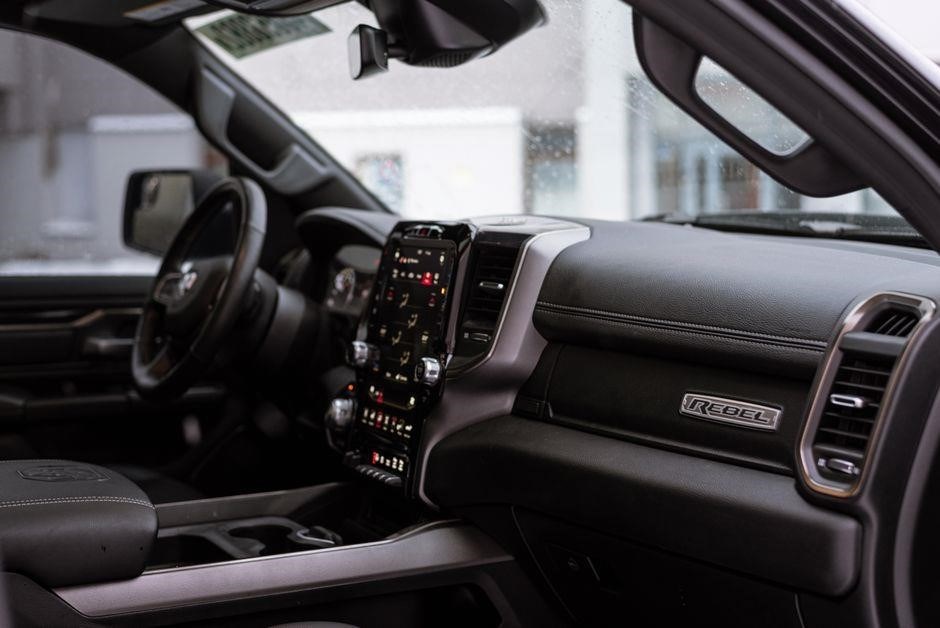
Inside‚ the cabin is equipped with a 7‑inch touchscreen infotainment system that supports Apple CarPlay‚ Android Auto‚ and Amazon Alexa. The premium Bose® audio system delivers crystal‑clear sound‚ while dual‑zone climate control keeps passengers comfortable.
Safety features include a 360° camera system‚ blind‑spot monitoring‚ rear‑cross‑traffic alert‚ and automatic emergency braking. The 2017 Ram 1500 also offers a suite of driver‑assist technologies such as adaptive cruise control‚ lane‑keeping assist‚ and a forward‑collision warning system that helps prevent accidents.
The 2017 Ram 1500 offers a 12‑ton rated trailer hitch‚ integrated brake controller‚ and a maximum towing capacity of 12‚750 lb on the 6.4‑L V8.
Go!!!!
Engine and Powertrain Details
The 2017 Ram 1500 features a 3.6‑L EcoDiesel V6‚ 250 hp‚ 480 lb‑ft torque‚ a 10‑speed automatic‚ and optional 6.4‑L V8 with 395 hp. 4‑wheel drive‚ torque‑vectoring‚ and 12‑ton trailer hitch support robust towing. Engine durability and fuel economy with care
Engine Types and Performance Specs
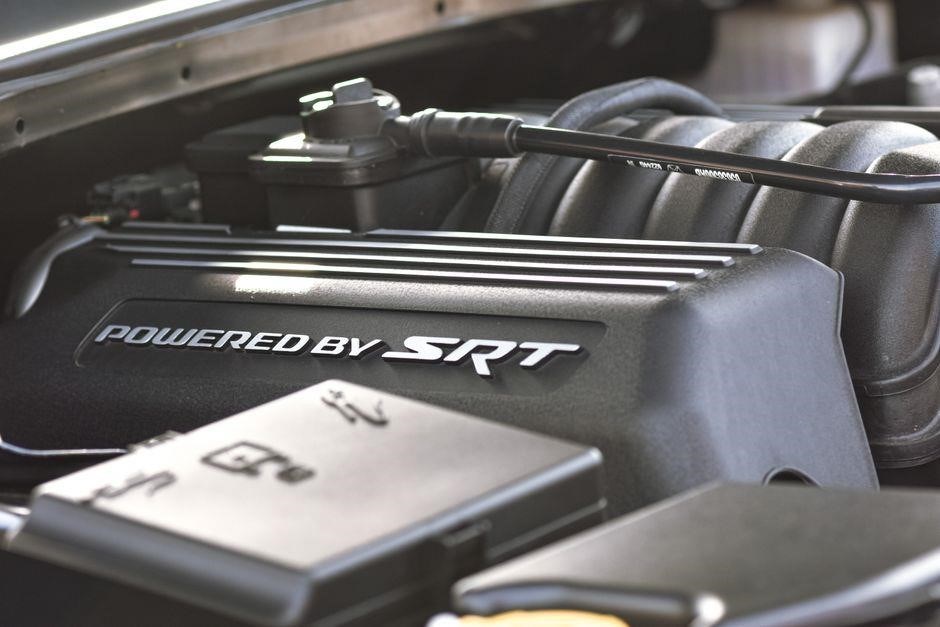
The 2017 Ram 1500 offers two primary powertrains: a 3.6‑L EcoDiesel V6 and a 6.4‑L HEMI V8. The EcoDiesel delivers 250 hp and 480 lb‑ft of torque‚ optimized for fuel efficiency and towing capacity‚ and the HEMI produces 395 hp and 410 lb‑ft of torque for higher performance. Both engines pair with a 10‑speed automatic transmission that provides smooth shifts and improved fuel economy. The EcoDiesel’s turbo‑charged‚ common‑rail system reduces emissions to meet EPA standards‚ and its integrated exhaust‑gas recirculation (EGR) and variable geometry turbo (VGT) enhance low‑end torque. The HEMI features a 4‑valve per cylinder design‚ a high‑flow intake manifold‚ and a dual‑stage supercharger that delivers a flat torque curve across the rev range. Torque‑vectoring front‑wheel drive (FWD) and 4‑wheel drive (4WD) options are available‚ with the 4WD system incorporating a locking rear differential for off‑road traction. The powertrain’s cooling system includes an electric coolant pump‚ a high‑capacity radiator‚ and a dual‑stage oil cooler that maintains optimal operating temperatures during heavy loads. The 2017 Ram 1500’s powertrains are engineered for durability‚ with block‑designs‚ strong‑pistons‚ and hardened cylinder heads. The manual details maintenance intervals‚ oil change schedules‚ and recommended fluids to preserve engine performance and longevity. Overall‚ the 2017 Ram 1500’s engine options provide a balance of power‚ efficiency‚ and reliability for both daily driving and demanding towing tasks.
Transmission and Drivetrain Options
The 2017 Ram 1500 equips drivers with a choice of a 10‑speed automatic transmission paired with either front‑wheel drive (FWD) or four‑wheel drive (4WD) configurations. The automatic‚ designed by Chrysler‚ offers seamless gear changes‚ adaptive shift logic‚ and a low‑range mode for off‑road and towing scenarios. The FWD setup provides a lighter weight and improved fuel economy for daily use‚ while the 4WD system includes a transfer case with a lockable rear differential‚ a low‑range gear‚ and an electronic locking mechanism that enhances traction on uneven terrain. The 4WD system also integrates a selectable drive mode system that allows drivers to choose between Eco‚ Normal‚ and Off‑Road settings‚ each adjusting throttle response‚ shift points‚ and torque distribution. The transmission’s torque converter is engineered for high‑torque handling‚ supporting up to 480 lb‑ft from the EcoDiesel V6 and 410 lb‑ft from the HEMI V8. The 10‑speed unit’s gear ratios are optimized for both highway cruising and heavy towing‚ with a 1st‑gear ratio of 3.54:1 and a 10th‑gear ratio of 0.59:1. The drivetrain’s differential is a 3.73:1 gear ratio‚ providing a balance between acceleration and fuel economy. The 4WD transfer case includes a 2.5:1 low‑range ratio‚ delivering 2;5‑times the torque to the wheels for steep climbs. The manual also details the use of a 3‑way transfer case selector‚ a 2‑way transfer case selector‚ and an electronic differential lock that can be engaged via the driver’s console. Maintenance intervals for the transmission fluid‚ differential fluid‚ and transfer case fluid are specified‚ along with recommended service intervals to preserve longevity and performance. Overall‚ the 2017 Ram 1500’s transmission and drivetrain options provide a versatile platform for both on‑road comfort and off‑road capability. Additionally‚ the 2017 Ram 1500 offers a manual‑shift mode that allows drivers to manually select gears using paddle shifters‚ providing a more engaging driving experience for those who prefer direct control. The vehicle’s electronic stability control system works in tandem with the drivetrain to maintain traction during sudden maneuvers‚ ensuring safety across varied road conditions. The transmission’s internal components are constructed from high‑strength aluminum alloy‚ reducing overall weight while maintaining durability under high load conditions. The 4WD system’s electronic controls are calibrated to adjust torque distribution in real time‚ responding to wheel slip detected by sensors. This adaptive system improves handling in wet or snowy conditions‚ providing confidence for drivers in challenging environments; The manual also outlines troubleshooting steps for common drivetrain issues‚ such as slippage or delayed shifting‚ and recommends diagnostic tools for accurate fault detection. Proper maintenance of the transmission filter‚ fluid levels‚ and clutch engagement ensures optimal performance and extends the life of the drivetrain components.
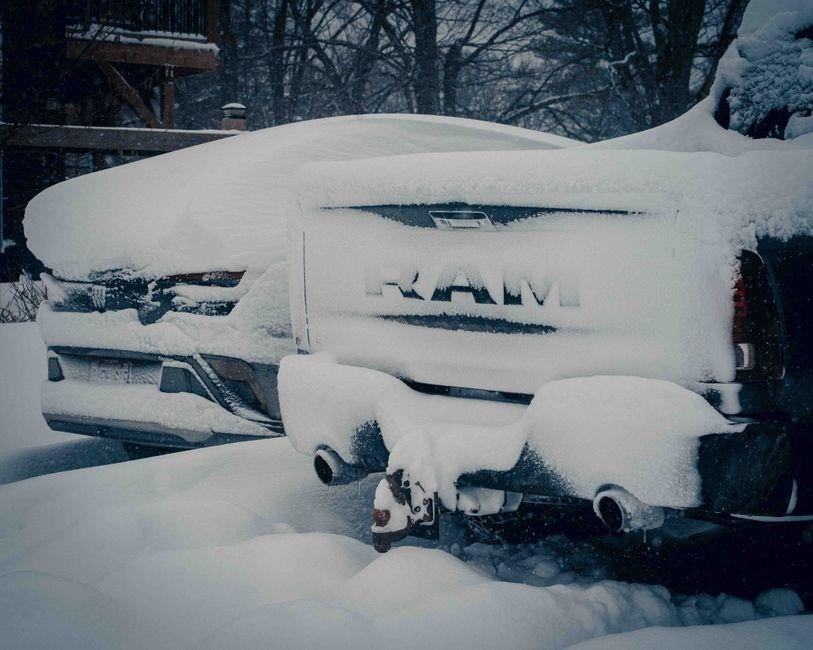
Cooling‚ Heating‚ and Air Conditioning Systems
The 2017 Ram 1500’s climate control system is engineered for comfort and efficiency‚ featuring a dual‑zone automatic climate control that allows the driver and front passenger to set independent temperatures. The system uses a high‑efficiency variable‑speed compressor and a multi‑stage evaporator to maintain consistent airflow regardless of external conditions. The heating unit incorporates a 1.5‑kW electric heater that supplements the engine‑driven heater‚ providing rapid warmth during cold starts and reducing engine load. The HVAC controls are integrated into the 12‑inch touchscreen‚ where users can adjust fan speed‚ temperature‚ and airflow patterns via intuitive touch gestures. A dedicated climate control module monitors cabin temperature‚ humidity‚ and air quality‚ automatically adjusting ventilation to maintain optimal interior conditions. The air‑conditioning system employs a low‑pressure refrigerant cycle with a 1.5‑ton capacity‚ capable of cooling the cabin to 70°F within 3 minutes under typical ambient temperatures. The cooling fan is equipped with a variable‑speed motor that adjusts airflow based on cabin temperature and user settings‚ ensuring quiet operation at low speeds. The manual recommends a coolant change every 120‚000 miles or 8 years‚ whichever comes first‚ and specifies the use of a 50/50 mix of Dex‑Cool antifreeze and distilled water.
Electrical and Electronics Systems
The 2017 Ram 1500 uses a 12‑V electrical system with a 30‑amp alternator and a 12‑V‚ 100‑Ah AGM battery. It features dualzone climate control‚ 4‑G LTE‚ Bluetooth‚ Wi‑Fi‚ and a head‑up display. Fuse locations and wiring diagrams are listed in the manual.
Wiring Diagrams and Fuse Locations
The 2017 Ram 1500’s electrical architecture is organized around a 12‑V system powered by a 30‑amp alternator and a 12‑V‚ 100‑Ah AGM battery. The manual provides a comprehensive wiring diagram that maps every circuit from the engine control module to the infotainment hub. Key sections include the power distribution panel‚ the fuse box layout‚ and the wiring harness for the 4‑G LTE modem. The fuse box is located under the driver’s seat‚ accessed by removing a panel that reveals 20 fuses‚ each labeled with a function such as “Headlights‚” “Power Windows‚” or “Rear‑view Camera.” The diagram also details the location of the main relay‚ the high‑current relay for the dual‑zone climate control and the rear‑seat entertainment system. For troubleshooting‚ the manual lists the pinout for the diagnostic connector‚ the voltage reference points‚ and the recommended test procedures for each subsystem. The wiring diagram is available in both printed form and as a downloadable PDF from the official Ram website‚ ensuring owners can reference the exact wire colors‚ connector types‚ and termination points. Additionally‚ the manual includes a troubleshooting flowchart that guides users through common electrical faults‚ from a dead battery to a malfunctioning infotainment display‚ and provides step‑by‑step instructions for checking continuity‚ inspecting fuses‚ and resetting the ECU. By following the detailed wiring schematics‚ owners can safely diagnose and repair electrical issues without needing to replace entire modules‚ thereby saving time and cost. Owners may also consult the online service portal for wiring updates and technical bulletins.
Infotainment and Connectivity Features
The 2017 Ram 1500 equips a 7‑inch touchscreen infotainment system that supports Apple CarPlay‚ Android Auto‚ and a built‑in Bluetooth radio. The system integrates a 4G LTE modem‚ enabling navigation‚ over‑the‑air updates‚ and streaming services. A 12‑speaker Harman‑Bardley audio package is optional‚ offering a 2‑channel amplifier and a subwoofer for sound. The interface includes a multi‑touch display‚ rotary controller‚ and voice‑activated “Hey Ram” command. Connectivity options extend to a rear‑view camera‚ a 12‑inch rear‑seat entertainment module‚ and a 4G LTE hotspot that supports up to eight devices. The vehicle’s CAN‑bus network allows the infotainment unit to communicate with the engine control module‚ climate control‚ and driver‑assist sensors‚ providing diagnostics and status alerts. The manual details the wiring harness for the infotainment unit‚ the fuse location (under the driver’s seat)‚ and the pinout for the diagnostic connector. It also explains how to enable Wi‑Fi hotspot‚ pair Bluetooth devices‚ and update the firmware via the Ram Connect app. The system supports navigation maps that can be downloaded to a USB drive‚ and the manual provides instructions for formatting the drive‚ loading maps‚ and troubleshooting connectivity issues. For advanced users‚ the manual includes a section on accessing the OBD‑II port for third‑party diagnostics‚ and it lists the firmware version required for full compatibility with the 4G LTE modem. All features are designed to keep occupants connected‚ entertained‚ and informed while driving. System offers a 4G LTE hotspot for streaming.
Lighting and Signal System Information
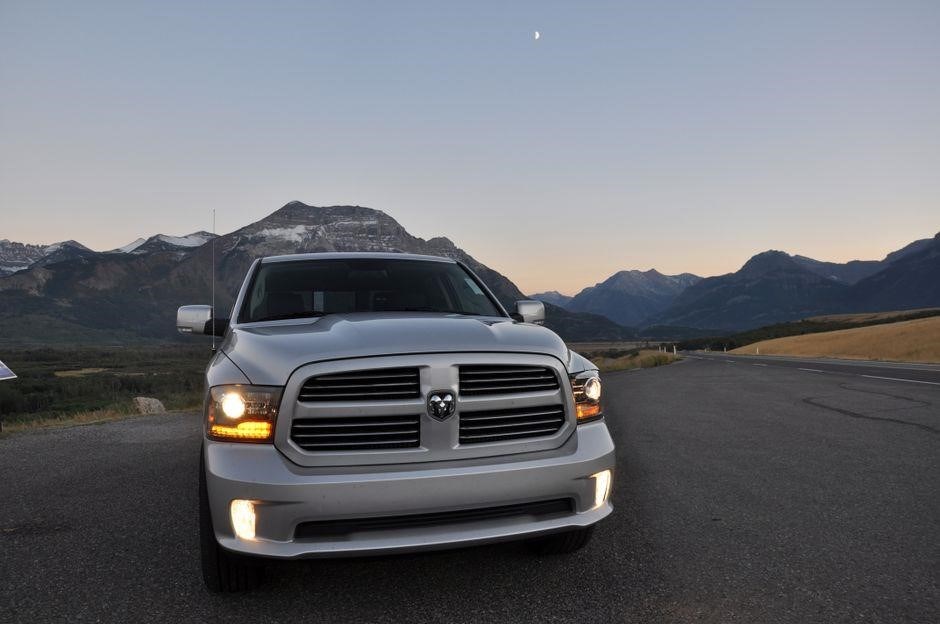
Lighting and signal systems on the 2017 Ram 1500 are engineered for reliability and visibility. The factory‑installed LED headlamps provide a bright‚ energy‑efficient beam that improves nighttime visibility while reducing power draw. High‑intensity discharge (HID) bulbs are optional for those who prefer a brighter wash. The daytime running lights (DRL) are integrated into the headlamp assembly and automatically activate when the ignition is on‚ enhancing forward visibility for oncoming traffic. Fog lamps are standard on most trims; they are located in the front bumper and are powered by a dedicated 12‑V circuit. The rear‑view and parking lamps are LED‑based‚ offering a longer lifespan and better illumination for reverse maneuvers. Turn signals are controlled by a 12‑V relay that is located in the engine compartment fuse box. The signal system includes a low‑speed turn‑signal indicator that activates automatically when the vehicle’s moving below 5 mph‚ ensuring that the driver’s intent is communicated even when the turn‑signal lever is not fully depressed and improves safety! The brake‑light assembly is integrated with the brake‑switch and is powered by the 12‑V system. The manual lists the exact fuse location (Fuse 12 in the driver’s side fuse panel) and provides a wiring diagram that shows the connections for the headlamps‚ DRL‚ fog lamps‚ turn signals‚ brake lights‚ and reverse lights. For owners who wish to upgrade‚ the manual recommends using OEM LED modules compatible with the 12‑V system.
Safety and Driver Assistance Systems
The 2017 Ram 1500 features airbags‚ seat‑belt pretensioners‚ and a driver‑assist suite that includes blind‑spot monitoring‚ rear‑cross traffic alert‚ and lane‑departure warning. These systems enhance occupant protection and reduce collision risk. Now
Airbag and seatbelt configurations in the 2017 Ram 1500 are designed to provide maximum safety for all occupants. The vehicle is equipped with dual‑stage front airbags that deploy at appropriate force levels based on impact severity. In addition‚ side curtain airbags protect the head area of front and rear passengers during side‑collision events. The driver and front passenger seats are fitted with pre‑tensioning seatbelts that automatically tighten during a crash to reduce occupant movement. The system also includes a seat‑belt reminder chime that alerts the driver when the belt is not fastened. For rear passengers‚ the vehicle offers optional 3‑point seatbelts on the second‑row seats‚ which can be activated through the interior controls. The rear seatbelt pretensioners are integrated into the same safety network as the front system‚ ensuring that all occupants receive coordinated protection. The manual details the positioning of seatbelts‚ the correct use of child safety seats‚ and the importance of maintaining belt integrity. It also explains the procedure for resetting the airbag system after a deployment‚ including the use of diagnostic tool to clear fault codes. Finally‚ the manual emphasizes that the airbags are designed to work in conjunction with the seatbelt system‚ and that both must be used to achieve the intended safety performance. Proper use of these features can significantly reduce the risk of injury in a collision. Owners should inspect seatbelt buckles‚ ensure airbags are unobstructed‚ and check the manual for any warning lights tied to the restraint system. Follow guidelines now
Advanced Driver Assistance Features (e.g.‚ Blind‑Spot Monitor)
The 2017 Ram 1500 incorporates a suite of driver‑assist technologies that enhance safety and convenience. The Blind‑Spot Monitoring System uses radar sensors mounted on the rear‑view mirror to detect vehicles approaching from the side. When a vehicle is detected‚ a warning light appears on the side mirror and an audible alert can be enabled. The system also offers a Rear‑Cross Traffic Alert that warns of approaching traffic when backing out of a parking space. Adaptive Cruise Control maintains a set distance from the vehicle ahead‚ adjusting throttle and braking. Lane‑Keeping Assist uses camera input to detect lane markings and provides steering torque. The Forward‑Collision Warning system monitors the distance to the vehicle in front and can trigger a brake‑assist if a collision is imminent. The 2017 model also includes a 360° Surround‑View Camera that displays a composite image on the infotainment screen‚ aiding in low‑speed maneuvering. All these features are integrated into the vehicle’s central control module and can be accessed through the touchscreen or steering‑wheel controls. The manual explains how to activate‚ calibrate‚ and reset each system‚ as well as the maintenance requirements for sensors and cameras. Proper use of these technologies can reduce blind‑spot incidents‚ improve lane discipline‚ and provide early collision warnings‚ contributing to safer driving experiences. Sensors need periodic cleaning to stay accurate‚ and the diagnostic tool can verify status during service for safety. Regularly inspect and clean all sensors and cameras to maintain optimal performance‚ ensuring reliable operation daily soon.