Month: March 2026

equality wheel pdf

Category : PDF

The Equality Wheel PDF: A Comprehensive Overview (Updated 04/01/2026)

The Equality Wheel PDF serves as a readily accessible resource, detailing behaviors crucial for fostering healthy, respectful relationships, as outlined by the Duluth Model.

This visual aid, frequently available in PDF format, emphasizes equality as the cornerstone of non-violent interactions and mutual growth within partnerships.

What is the Equality Wheel?

The Equality Wheel is a visually impactful tool, originating from the Duluth Model, designed to illustrate the essential components of a healthy and equitable relationship. Frequently distributed as a PDF, it presents a clear alternative to the Power and Control Wheel, which depicts abusive dynamics.

Unlike its counterpart, the Equality Wheel focuses on positive behaviors – respect, trust, support, negotiation, fairness, and non-threatening communication – that build a secure and fulfilling partnership. It’s a straightforward resource, intended for both men and women, to understand what constitutes a non-violent relationship.

The wheel’s core concept centers on equality being the fundamental basis for all healthy interactions. It highlights supporting each other’s goals, respecting individual rights, and sharing responsibilities. The PDF format allows for easy access and distribution, making it a valuable resource in various settings, including therapy and prevention programs.

The Duluth Model and its Origins

The Duluth Model, developed in the 1980s by the Duluth Domestic Abuse Intervention Project, emerged as a groundbreaking approach to addressing domestic violence. It shifted the focus from individual pathology to the systemic nature of abusive behavior, recognizing it as a pattern of power and control.

Central to this model is the understanding that abusive behaviors are deliberate choices made by the perpetrator, not simply reactions to stress or anger. The Equality Wheel was created as an integral part of this framework, offering a positive vision of healthy relationships.

Initially designed to help men understand the changes needed to move from abusive to non-violent behavior, the model and its accompanying tools, including the Equality Wheel PDF, have broadened in application. They are now utilized in diverse contexts to promote healthy relationships and prevent violence, emphasizing shared responsibility and mutual respect.

Purpose of the Equality Wheel

The primary purpose of the Equality Wheel is to visually represent the key components of a healthy, respectful, and non-violent relationship. It serves as a proactive tool, outlining behaviors that foster equality and mutual well-being, contrasting sharply with the Power and Control Wheel which depicts abusive tactics.

Unlike focusing solely on what not to do, the Equality Wheel highlights positive actions – such as respect, trust, and shared responsibility – that build a secure partnership. The readily available Equality Wheel PDF aims to educate individuals about these essential elements.

It’s designed to be accessible and understandable, promoting open communication and providing a framework for assessing and improving relationship dynamics. Ultimately, the wheel empowers individuals to recognize and cultivate healthy connections, fostering a culture of equality and respect.

Core Components of the Equality Wheel

The Equality Wheel PDF centers around three fundamental components: Equality itself, Respect, and Trust and Support. These elements aren’t isolated; they are interconnected and mutually reinforcing, forming the foundation of a healthy dynamic.

Equality, at the wheel’s core, signifies supporting each other’s goals and honoring individual rights. Respect involves acknowledging feelings, friends, activities, and opinions. Trust and Support build a secure partnership through mutual agreement and shared decision-making.

These components are visually represented, making the concepts easily digestible. The Equality Wheel isn’t merely a theoretical model; it’s a practical guide for building and maintaining relationships based on fairness, consideration, and genuine care, readily available as a downloadable PDF.

Equality: The Foundation of Healthy Relationships

Within the Equality Wheel PDF, equality isn’t simply about equal rights; it’s the bedrock upon which all healthy relationships are built. It’s actively supporting each other’s goals in life and deeply respecting the right to individual autonomy. This includes honoring personal feelings, friendships, chosen activities, and independent opinions.

The wheel emphasizes that equality fosters a partnership where both individuals thrive, not just survive. It’s a departure from power imbalances, promoting mutual growth and understanding. The PDF visually demonstrates this core principle, highlighting that a balanced relationship requires consistent effort and genuine consideration for each partner’s well-being.

Essentially, equality, as presented in the wheel, is about valuing each person as a complete individual within the relationship.

Respect: Honoring Individual Rights and Feelings

The Equality Wheel PDF prominently features respect as a vital component, extending beyond simple politeness. It’s about actively honoring each partner’s individual rights and acknowledging the validity of their feelings, even when differing from your own. This means creating a safe space where vulnerability isn’t met with judgment, but with empathy and understanding.

Respect, within the context of the wheel, translates to valuing a partner’s perspectives, boundaries, and personal choices. It’s recognizing their inherent worth as an individual, separate from their role in the relationship. The PDF illustrates that genuine respect is demonstrated through consistent actions, not just words.

Ultimately, respect fosters a secure and nurturing environment where both partners feel valued and empowered.

Trust and Support: Building a Secure Partnership

The Equality Wheel PDF underscores that trust and support are foundational pillars of a healthy relationship, inextricably linked to equality and respect. It’s not merely about believing your partner’s words, but about consistently demonstrating reliability and dependability in actions.

Support, as depicted in the wheel, involves actively encouraging each other’s goals, dreams, and personal growth. This means celebrating successes, offering comfort during challenges, and providing a safe haven for vulnerability. The PDF highlights that genuine support isn’t conditional or controlling; it’s freely given and received.

Building trust requires open communication, honesty, and a commitment to mutual well-being, creating a secure partnership where both individuals thrive.

Key Behaviors Represented in the Wheel

The Equality Wheel PDF visually represents several key behaviors essential for cultivating healthy and non-violent relationships. These aren’t simply abstract ideals, but concrete actions that demonstrate respect, fairness, and genuine partnership.

Central to the wheel are concepts like shared responsibility, emphasizing a fair distribution of labor and decision-making within the relationship. Negotiation and fairness are also prominently featured, advocating for conflict resolution strategies that prioritize mutually satisfying outcomes and compromise.

Furthermore, the wheel highlights the importance of non-threatening behavior, fostering a safe communication environment where both partners feel comfortable expressing themselves without fear of intimidation or coercion. These behaviors, when consistently practiced, build a foundation of equality and mutual respect.

Shared Responsibility: Fair Distribution of Labor and Decision-Making

As depicted in the Equality Wheel PDF, shared responsibility signifies a commitment to equitable distribution of tasks and collaborative decision-making within a relationship. This extends beyond simply dividing chores; it encompasses a mutual agreement on what constitutes a “fair” share, acknowledging individual strengths and limitations.

The wheel emphasizes that both partners actively participate in shaping the direction of the relationship, rather than one person unilaterally controlling outcomes. This collaborative approach fosters a sense of partnership and mutual respect, diminishing power imbalances;

Truly embodying shared responsibility means openly discussing expectations, being willing to adjust arrangements as needed, and valuing each other’s contributions, ultimately building a stronger, more balanced connection.

Negotiation and Fairness: Conflict Resolution Strategies

The Equality Wheel PDF highlights negotiation and fairness as vital components of healthy conflict resolution. It’s not about “winning” arguments, but rather seeking mutually satisfying resolutions that acknowledge both partners’ needs and perspectives.

This involves a willingness to compromise, accepting that change is inevitable, and actively listening to understand the other person’s viewpoint. The wheel promotes a collaborative approach where both individuals feel heard and valued during disagreements.

Fairness dictates that solutions aren’t imposed but are arrived at through open communication and a genuine desire to find common ground. This strategy, detailed in the PDF, fosters trust and strengthens the relationship’s foundation, preventing resentment and promoting long-term harmony.

Non-Threatening Behavior: Creating a Safe Communication Environment

The Equality Wheel PDF underscores non-threatening behavior as fundamental to establishing a secure and respectful communication environment within a relationship. This means both partners consciously choose words and actions that promote safety and comfort, avoiding intimidation or coercion.

It involves speaking and acting in a manner that ensures both individuals feel psychologically safe to express their thoughts and feelings openly, without fear of reprisal or judgment. The PDF emphasizes avoiding behaviors that could be perceived as controlling, manipulative, or aggressive.

Creating this safe space allows for honest dialogue, fostering deeper understanding and connection. Ultimately, non-threatening communication, as detailed in the wheel, builds trust and strengthens the emotional bond between partners.

The Equality Wheel vs. The Power and Control Wheel

The Equality Wheel PDF presents a stark contrast to the Power and Control Wheel, serving as complementary tools for understanding relationship dynamics. While the Power and Control Wheel illustrates abusive tactics used to maintain dominance, the Equality Wheel showcases the behaviors inherent in healthy, non-violent partnerships.

Essentially, one wheel depicts what shouldn’t be happening, while the other outlines what should be present. The Equality Wheel, as highlighted in resources like SocialWorkersToolbox.com, is designed to help individuals – particularly men – recognize the positive actions needed to shift away from abusive patterns.

It’s a proactive model, focusing on building equality, respect, and shared responsibility, unlike the Power and Control Wheel’s reactive focus on identifying abuse. Both wheels, however, are valuable for awareness and intervention.

How the Equality Wheel Aids in Recognizing Abuse

The Equality Wheel PDF, while illustrating healthy relationship components, indirectly aids in recognizing abuse by providing a clear benchmark for comparison. By visualizing what a respectful partnership should look like – encompassing equality, trust, and non-threatening behavior – individuals can more readily identify deviations from this standard.

The absence of elements like shared responsibility, negotiation, or respect can signal potential issues. Recognizing these gaps, when contrasted with the wheel’s ideals, can be a crucial first step in acknowledging an unhealthy or abusive dynamic.

Essentially, the wheel functions as a “missing pieces” puzzle; the more components absent, the greater the likelihood of abuse. It empowers individuals to assess their relationships objectively and seek support if needed.

Using the Equality Wheel for Relationship Assessment

Employing the Equality Wheel PDF for relationship assessment involves a thoughtful self-evaluation, or a shared discussion with a partner. Begin by honestly considering each component – equality, respect, trust, negotiation, and non-threatening behavior – within the context of the relationship.

Rate the presence and strength of each element. Are decisions made collaboratively (shared responsibility)? Is compromise readily accepted (negotiation & fairness)? Does communication feel safe and open (non-threatening behavior)?

Areas with significant deficiencies highlight potential concerns. The wheel isn’t a diagnostic tool, but a framework for identifying imbalances. It encourages open dialogue and can pinpoint areas needing improvement, fostering healthier interactions and promoting a more equitable partnership.

The Equality Wheel in Different Contexts

The versatility of the Equality Wheel PDF extends beyond individual relationship counseling. Adaptations exist, notably the Equality Wheel for Teens, simplifying language and scenarios to resonate with younger audiences, promoting healthy relationship foundations early on.

Domestic violence prevention programs frequently utilize the wheel as an educational tool, contrasting it with the Power and Control Wheel to illustrate the characteristics of healthy versus abusive dynamics. It’s a powerful visual aid for workshops and support groups.

Therapeutic settings benefit from the wheel’s structured approach, facilitating discussions about expectations, boundaries, and respectful communication. It provides a common language for therapists and clients to explore relationship patterns and goals.

Equality Wheel for Teens: Adapting the Model

The Equality Wheel for Teens PDF represents a crucial adaptation, recognizing the unique developmental needs and experiences of adolescents. This version simplifies the core concepts, using age-appropriate language and relatable examples to illustrate healthy relationship behaviors.

Key components like respect, trust, and negotiation are presented in a manner that resonates with teenagers navigating their first romantic relationships. The visual format remains impactful, but the scenarios focus on issues relevant to teen life – friendships, dating, and social interactions.

This adapted wheel serves as a preventative tool, empowering teens to identify and build equitable partnerships, while also recognizing red flags associated with unhealthy or abusive dynamics. It’s often used in school programs and youth counseling.

Application in Domestic Violence Prevention Programs

Equality Wheel PDFs are extensively utilized within domestic violence prevention programs as a foundational educational tool. These programs leverage the wheel to clearly define what constitutes a healthy relationship, contrasting it with the dynamics of power and control often present in abusive situations.

The wheel facilitates group discussions and workshops, enabling participants to identify behaviors they deserve in a partnership and recognize potentially harmful patterns. It’s particularly effective in engaging men, helping them understand their role in fostering equality and challenging harmful societal norms.

Furthermore, the PDF format allows for easy distribution and accessibility, extending the reach of these preventative efforts to diverse communities and individuals seeking support. It serves as a visual reminder of respectful interaction.

Utilizing the Wheel in Therapeutic Settings

Equality Wheel PDFs prove invaluable in therapeutic settings, offering a concrete visual aid for counselors and therapists working with individuals and couples. It provides a shared language to discuss relationship dynamics, fostering open communication and self-reflection.

Therapists use the wheel to help clients identify areas where their relationships align with, or deviate from, healthy equality. This can be particularly helpful for individuals who have experienced abuse, assisting them in recognizing patterns and rebuilding trust.

The PDF format allows therapists to easily incorporate the wheel into sessions, both digitally and as a printed handout. It serves as a starting point for exploring individual beliefs about relationships and promoting positive behavioral changes, ultimately fostering healthier connections.

Accessing and Utilizing Equality Wheel PDFs

Equality Wheel PDFs are widely accessible online through various organizations dedicated to domestic violence prevention and healthy relationship education. Resources like SocialWorkersToolbox.com offer free downloads, providing a convenient way to obtain the visual aid.

These PDFs typically feature a clear, colorful depiction of the wheel, outlining core components like equality, respect, trust, and shared responsibility. Utilizing these resources involves downloading and printing the PDF for use in workshops, counseling sessions, or personal reflection.

Digital versions allow for easy sharing and integration into presentations. The PDF format ensures consistent visual representation, facilitating standardized discussions about healthy relationship dynamics and promoting a common understanding of equality.

Limitations and Considerations

While the Equality Wheel PDF is a valuable tool, it’s crucial to acknowledge its limitations. The wheel presents an idealized view and doesn’t encompass the complexities of all relationships, potentially oversimplifying nuanced dynamics.

It’s designed as a starting point for discussion, not a definitive checklist. Some argue it places the onus on individuals to “fix” abusive relationships, rather than solely holding abusers accountable. Furthermore, cultural contexts can influence interpretations of equality and respect.

The wheel primarily focuses on interpersonal relationships and may not fully address systemic inequalities. Effective utilization requires sensitivity, awareness of individual circumstances, and a recognition that the wheel is one component of a broader approach to fostering healthy connections.

Resources and Further Information

For accessing the Equality Wheel PDF and related materials, SocialWorkersToolbox.com provides a free, downloadable version alongside other valuable social work resources. Raft Cares offers insights into utilizing the wheel for relationship transformation, particularly in addressing abusive dynamics.

The Duluth Model’s official website (though not directly linked in provided text) is a primary source for comprehensive information on the model and its associated tools. Numerous domestic violence prevention organizations and therapeutic practitioners incorporate the Equality Wheel into their programs.

Further research into healthy relationship models, conflict resolution strategies, and power dynamics can enhance understanding. Remember to seek guidance from qualified professionals when navigating complex relationship issues or addressing abuse.



strio vape battery charging instructions

Category : Instructions

Strio Vape Battery Charging Instructions: A Comprehensive Guide

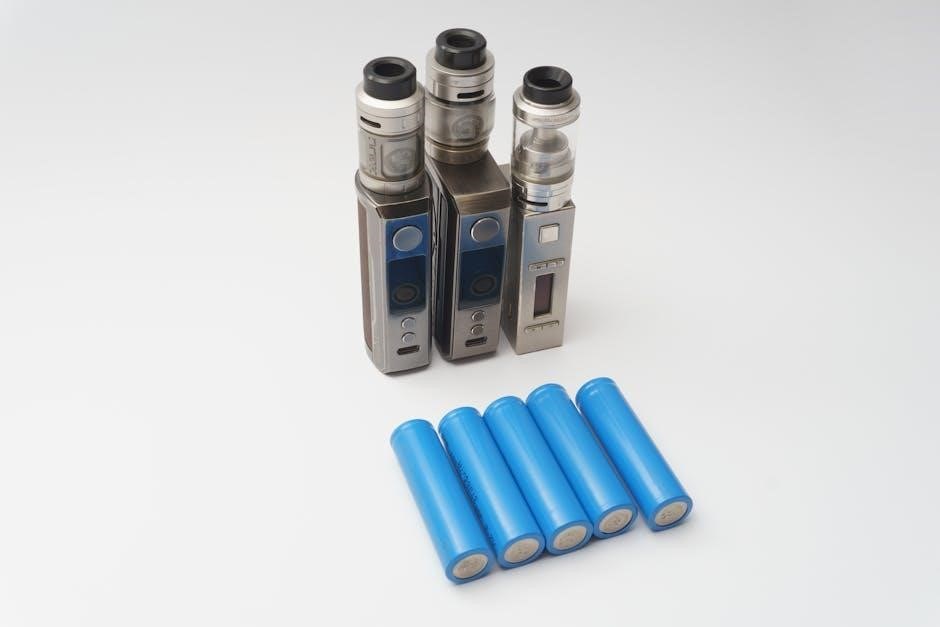
This guide details how to safely and effectively charge your Strio vape battery, ensuring optimal performance and longevity with its convenient USB charging port.

Understanding Your Strio Battery

Your Strio battery is the power source for your vaping experience, and understanding its core features is crucial for safe and efficient operation. The STRIO Cartbox Pro 2g 510 battery boasts a portable design, prioritizing convenience for on-the-go use. Constructed with durable, high-quality materials, it’s built to withstand regular handling and maintain reliability.

A key feature is the integrated USB charging port, simplifying the recharging process. Familiarizing yourself with this port’s location and function is the first step towards proper charging. Knowing your battery’s capacity and limitations will help you maximize its lifespan and enjoy consistent performance. Proper care begins with understanding its fundamental characteristics.

Battery Specifications & Compatibility

The Strio Cartbox Pro 2g 510 battery is specifically designed for compatibility with 510 thread cartridges, a widely used standard in the vaping industry. This ensures versatility with various oil types, including those for Delta 8 THC and CBD vaping. While detailed voltage and amperage specifications weren’t explicitly provided, understanding general 510 battery parameters is helpful.

Typically, these batteries operate within a 3.7V to 4.2V range. Compatibility extends to various charging methods utilizing the USB port, though using certified cables and adapters is always recommended. Ensuring your cartridge is securely connected to the battery is vital for optimal performance and preventing leaks. Always verify cartridge threading before use.

Identifying the Charging Port

Locating the charging port on your Strio Cartbox Pro 2g 510 battery is crucial for successful recharging. The battery comes with a USB charging port, typically found on the bottom of the device. It’s a standard micro-USB or USB-C port, depending on the specific model – visually inspect for the corresponding shape.

The port is usually a small opening designed to accommodate a USB cable. Ensure the area around the port is clean and free of debris before attempting to connect a charging cable. Avoid forcing the cable into the port; it should fit smoothly. Proper identification prevents damage to the port and ensures a stable charging connection.

Charging Methods

Strio batteries utilize a straightforward charging method: USB connectivity. This offers versatility, allowing you to recharge using various power sources. The battery comes with a USB charging port, making it compatible with standard USB cables and adapters. You can choose between charging via a wall adapter for faster charging or directly through a computer’s USB port for convenience.

While both methods work, wall adapters generally provide a more consistent and quicker charge. Remember to always use a certified USB cable and adapter to ensure safe and efficient charging. Avoid using damaged cables or adapters, as they can potentially harm the battery or pose a safety risk.

USB Charging: The Standard Approach

USB charging is the primary and most convenient method for powering your Strio battery. Locate the USB charging port on the battery – its position varies by model, so consult your device’s documentation if needed. Simply connect a compatible USB cable to the port and plug the other end into a suitable USB power source.

This method offers flexibility, allowing charging from wall adapters, power banks, or computer USB ports. Ensure a secure connection for optimal charging speed. The battery will typically indicate charging status via an LED light, signaling when it’s actively receiving power and when it’s fully charged.

Using a Wall Adapter vs. Computer USB

While both wall adapters and computer USB ports can charge your Strio battery, they differ in charging speed and efficiency. Wall adapters, particularly those with higher amperage (more on that later!), generally provide a faster charge due to their dedicated power output. Computer USB ports, especially older USB 2;0 versions, deliver a lower amperage, resulting in a slower charging process.

For quicker turnaround times, a wall adapter is recommended. However, computer USB is suitable for overnight charging or when a wall outlet isn’t readily available. Always prioritize using a certified adapter to protect your battery’s lifespan and ensure safe charging practices.

Optimal Charging Practices

To maximize your Strio battery’s lifespan and performance, adhering to optimal charging practices is crucial. Understanding the recommended voltage and amperage is key; generally, a 5V/1A input is suitable, but always check your battery’s specifications. Avoid fast charging unless explicitly supported, as it can generate excess heat.

A full charge typically takes between 1-3 hours, depending on the battery capacity and charging method. Regularly topping off the battery isn’t necessary with modern lithium-ion technology; it’s better to let it discharge to around 20-30% before recharging. Consistent, mindful charging habits will significantly extend your battery’s usability.

Recommended Charging Voltage & Amperage

Strio vape batteries generally perform best when charged using a 5V/1A power source. This standard USB specification provides a balanced charge without risking overheating or damaging the internal components. While some batteries may tolerate higher voltages, sticking to 5V ensures safety and longevity.

Avoid using chargers exceeding 5V unless the battery documentation specifically states otherwise. Higher amperage (above 1A) won’t necessarily charge the battery faster, and could potentially lead to instability. Always prioritize a stable, regulated power supply for consistent and reliable charging performance with your Strio device.

Charging Time Expectations

The time required to fully charge a Strio vape battery varies depending on its capacity and the charger’s output. Typically, a completely depleted battery will take between 2 to 4 hours when using a standard 5V/1A USB charger.

If using a computer’s USB port, charging may be slower due to lower amperage output. Monitoring the battery indicator (see section on ‘Understanding Battery Indicators’) is the best way to determine charge level. Avoid interrupting the charging cycle prematurely, as incomplete charges can affect long-term battery health. A full charge provides optimal vaping performance and duration.

Safety Precautions During Charging

Prioritizing safety during charging is crucial for both the user and the longevity of the Strio battery. Never leave a charging battery unattended, and always charge on a non-flammable surface away from combustible materials.

Avoid overcharging, as this can damage the battery and potentially create a hazard. Utilize only certified USB cables and adapters to ensure proper voltage and current regulation. Be mindful of temperature considerations; do not charge in extremely hot or cold environments. Discontinue use if you notice any swelling, leaking, or unusual heat during the charging process.

Avoiding Overcharging

Overcharging your Strio battery can significantly reduce its lifespan and potentially compromise safety. Once fully charged, disconnect the battery promptly from the power source. While many modern batteries have built-in protection circuits, relying solely on these is not advisable.

Regularly check the battery’s charging status, especially during initial charging cycles, to understand its charging time. Consider using a smart USB charger that automatically stops charging when the battery reaches full capacity. Avoid leaving the battery connected overnight or for extended periods after it’s fully charged, as this increases the risk of overcharging and potential thermal runaway.

Using Certified USB Cables & Adapters

Employing certified USB cables and adapters is crucial for the safe and efficient charging of your Strio vape battery. Non-certified accessories may deliver inconsistent power, leading to slower charging times or even damage to the battery’s internal circuitry.

Look for cables and adapters that meet USB safety standards, such as those with UL or CE certifications. These certifications indicate that the products have undergone rigorous testing for safety and performance. Avoid using damaged or frayed cables, as they can cause short circuits and pose a fire hazard. Investing in high-quality, certified accessories protects your battery and ensures a reliable charging experience.

Temperature Considerations During Charging

Maintaining an appropriate temperature range during charging is vital for Strio vape battery health and safety. Extreme temperatures, both hot and cold, can negatively impact battery performance and lifespan. Avoid charging the battery in direct sunlight or near heat sources, such as radiators or stoves.

Ideal charging temperatures typically fall between 20°F and 25°C (-6°C and 77°F). Charging in excessively cold environments can temporarily reduce battery capacity, while high temperatures can cause irreversible damage. If the battery feels warm to the touch during charging, disconnect it immediately and allow it to cool down before resuming the process. Prioritizing temperature control ensures optimal battery function.

Troubleshooting Charging Issues

Encountering charging problems with your Strio battery can be frustrating, but often easily resolved. If the battery isn’t charging, begin by systematically checking potential causes. A common issue is a faulty USB cable or adapter; try a different, known-working combination. Ensure the USB port you’re using is functioning correctly by testing it with another device.

If the problem persists, a simple reset might help (consult your device’s manual for specific reset instructions, if available). Inspect the battery’s charging port for any debris or obstructions that could be hindering the connection. If none of these steps resolve the issue, the battery itself may be defective and require replacement.

Battery Not Charging: Common Causes

Several factors can prevent your Strio battery from charging effectively. The most frequent culprit is a damaged or low-quality USB cable, hindering power transfer. A failing USB wall adapter or a problematic computer USB port can also be responsible. Debris accumulation within the battery’s charging port obstructs a solid connection, interrupting the charging process.

Internal battery failure, especially in older units, is another possibility. Incompatible charging voltages or amperages (though less common with standard USB) can also cause issues. Finally, extreme temperatures – both hot and cold – can temporarily disable charging functionality. Systematically checking these elements will help pinpoint the root cause.

Checking the USB Port & Cable

Begin troubleshooting by meticulously inspecting the USB cable for any visible damage, such as fraying or bent connectors. Try a different USB cable known to be working to rule out a cable malfunction. Next, test the Strio battery with various USB ports – a computer USB port and a wall adapter – to identify if the issue lies with the power source;

Ensure the USB port provides sufficient power; some older ports have limited output. Clean the USB port on both the battery and the adapter with compressed air to remove any dust or debris. A loose connection is a common problem, so firmly insert the cable into both devices. If possible, use a different wall adapter to eliminate that as a potential cause.

Resetting the Battery (If Applicable)

Some Strio battery models may feature a reset function to resolve charging issues caused by software glitches or internal errors. Consult your specific battery’s manual to determine if a reset option exists and how to initiate it. Typically, this involves a quick sequence of button presses – often five rapid clicks of the power button.

If a reset is successful, the battery may briefly power on or display a visual indicator. After resetting, attempt to charge the battery again using a known working USB cable and adapter. If the reset process doesn’t resolve the issue, or if your battery model lacks a reset function, further troubleshooting or contacting customer support may be necessary.

Battery Maintenance for Longevity

To maximize the lifespan of your Strio vape battery, consistent maintenance is crucial. When not in use for extended periods, store the battery in a cool, dry place, ideally around 68-77°F (20-25°C). Avoid fully discharging the battery before storage; a charge level of around 50-70% is optimal.

Regularly inspect and clean the battery contacts with a soft, dry cloth or cotton swab to remove any debris or oxidation that could impede charging. Avoid using liquids or abrasive materials for cleaning. Proper storage and contact maintenance will contribute significantly to the long-term reliability and performance of your Strio battery.

Proper Storage When Not in Use

When storing your Strio vape battery for an extended period, several precautions will help maintain its health and performance. Ideally, store the battery in a cool, dry environment away from direct sunlight and extreme temperatures. A temperature range of 68-77°F (20-25°C) is recommended for optimal storage conditions.

Avoid storing the battery fully charged or completely discharged; a partial charge of around 50-70% is best. This prevents potential degradation of the battery cells over time. Keep the battery away from metallic objects that could cause a short circuit. Following these guidelines will ensure your Strio battery remains in good condition during prolonged storage.

Cleaning the Battery Contacts

Maintaining clean battery contacts is crucial for a reliable connection and efficient charging of your Strio vape battery. Over time, residue from oils or debris can accumulate, hindering conductivity. To clean the contacts, first ensure the battery is disconnected from any power source.

Gently use a dry cotton swab or a soft, lint-free cloth to wipe away any visible buildup. For stubborn residue, lightly dampen the swab with isopropyl alcohol (90% or higher) – ensure it’s almost dry to prevent liquid damage. Avoid using excessive force or abrasive materials that could scratch or damage the contacts. Regular cleaning will ensure a consistent and optimal charging experience with your Strio battery.

Understanding Battery Indicators

Strio vape batteries utilize LED light signals to communicate their charging status and battery level. Recognizing these indicators is vital for managing your vaping experience effectively. Typically, a flashing light indicates the battery is charging, while a solid light signifies a full charge.

Different colors may represent varying charge levels; for example, green often denotes a full charge, yellow a medium charge, and red a low charge. Consult your specific Strio battery’s documentation for precise interpretations of the LED signals. Paying attention to these indicators prevents unexpected power loss and ensures you’re always prepared for your next vaping session.

LED Light Signals: What They Mean

The Strio battery’s LED indicator provides crucial feedback on its status. A slow, pulsing light generally signifies the battery is currently charging via the USB port. Once fully charged, the light typically transitions to a solid color, often green, confirming readiness for use.

A rapidly flashing red light usually indicates a low battery level, prompting immediate recharging. Some models may display a specific sequence – like multiple flashes – to signal potential issues. Refer to your device’s manual for a complete decoding of all LED patterns. Understanding these signals ensures optimal performance and prevents interruptions during vaping.

Interpreting Battery Level Indicators

Beyond the LED, some Strio batteries offer more detailed level indicators. These can range from a simple bar display, showing remaining capacity, to a percentage readout for precise monitoring. Pay attention to these indicators to avoid unexpected power loss during your vaping session.

A full battery guarantees extended use, while consistently monitoring the level helps establish a charging routine. If the indicator shows a critically low level, immediately connect the battery to a power source using a USB cable. Regularly checking the battery level contributes to a seamless and enjoyable vaping experience, preventing inconvenient interruptions.

Disposing of Strio Vape Batteries

Responsible disposal of your Strio vape battery is crucial for environmental safety and regulatory compliance. Do not simply discard it with household waste. Lithium-ion batteries require specialized handling due to potential hazards. Seek out designated battery recycling programs in your area; many vape shops and electronics retailers offer this service.

Check local regulations regarding battery disposal, as guidelines vary by location. Proper recycling prevents harmful chemicals from leaching into the environment. Consider utilizing mail-in recycling services if local options are limited. Always ensure the battery is fully discharged before disposal, and protect the terminals to prevent short circuits.

Responsible Recycling Practices

Prioritizing responsible recycling is paramount when decommissioning your Strio vape battery. Locate dedicated battery recycling facilities – many local waste management centers and electronics stores participate in these programs. Avoid disposing of batteries in standard trash bins, as this poses environmental risks due to the hazardous materials they contain.

Preparation is key: if possible, discharge the battery completely before recycling. Protect the terminals with tape to prevent accidental short circuits during handling and transport. Research local e-waste events or collection drives for convenient disposal options. Supporting these initiatives ensures valuable materials are recovered and harmful substances are managed safely, contributing to a sustainable future.

Local Regulations for Battery Disposal

Understanding and adhering to local regulations regarding battery disposal is crucial. Regulations vary significantly by region, state, and even municipality, impacting how you can legally and responsibly discard your Strio vape battery. Check with your local waste management authority or environmental protection agency for specific guidelines.

Some areas mandate that lithium-ion batteries, like those used in vape devices, be recycled separately from household waste. Others may have designated drop-off locations or scheduled collection events. Ignoring these regulations can result in fines or contribute to environmental damage. Always prioritize compliance to ensure safe and legal disposal, protecting both public health and the environment.


the laramie project play pdf

Category : PDF

The Laramie Project Play PDF: A Comprehensive Guide

Exploring “The Laramie Project” through readily available PDF versions unlocks a powerful dramatic experience, offering educators, performers, and readers access to this impactful work.

Understanding the Play’s Origins

“The Laramie Project” arose directly from the horrific 1998 murder of Matthew Shepard in Laramie, Wyoming. The Tectonic Theater Project, deeply affected by this hate crime, dispatched members to Laramie to conduct over 200 interviews with town residents. These conversations formed the core of the play, meticulously transcribed and crafted into a compelling theatrical piece.

The project wasn’t about presenting a definitive narrative, but rather a mosaic of perspectives – a community grappling with tragedy and its own prejudices. The resulting play, therefore, isn’t fictionalized drama, but a verbatim record of real voices, offering a raw and unflinching look at the aftermath of violence.

The Historical Context of Matthew Shepard’s Murder

In October 1998, Matthew Shepard, a 21-year-old student at the University of Wyoming, was brutally attacked and murdered due to his sexual orientation. This occurred in Laramie, a college town steeped in Western heritage, yet also revealing underlying societal prejudices; The crime sparked national outrage and fueled a renewed debate about hate crimes and LGBTQ+ rights.

Shepard’s murder wasn’t an isolated incident, but a tragic manifestation of a broader climate of intolerance. Understanding this historical context is crucial when approaching “The Laramie Project,” as the play directly confronts the complexities of a community responding to such a horrific act.

The Role of the Tectonic Theater Project

The Tectonic Theater Project, founded by Moisés Kaufman and Leigh Fondakowski, played a pivotal role in creating “The Laramie Project.” Following Matthew Shepard’s murder, the company traveled to Laramie, Wyoming, conducting over 200 interviews with town residents.

Their unique documentary theater approach involved compiling these interviews – not as journalism, but as raw material for a play. This method aimed to present a multifaceted portrait of the community, avoiding singular narratives and allowing the voices of Laramie to shape the work itself.

Availability of “The Laramie Project” Play PDF Online

Finding a complete, legitimate PDF of “The Laramie Project” can be challenging due to copyright restrictions. While excerpts and study guides are frequently available through educational institutions and theater resource websites, full scripts are less common in free, downloadable formats.

Numerous sites claim to offer the PDF, but caution is advised. These often lead to incomplete versions, malware risks, or violate copyright laws. Official sources, detailed in subsequent sections, are the recommended path.

Legitimate Sources for PDF Downloads

Dramatists Play Service (DPS) is the primary authorized source for obtaining “The Laramie Project” script, though a free PDF isn’t typically offered. DPS provides licensing for performances and sells physical copies of the play. Educational institutions may have access through library databases or subscription services.

Some universities with theater programs may offer digital access to students enrolled in relevant courses. Checking with academic libraries or theater departments is advisable. Always prioritize official channels to ensure legal and complete access.

Potential Risks of Downloading from Unofficial Sites

Downloading “The Laramie Project” PDF from unauthorized websites carries significant risks. These sites often host malware, viruses, and potentially harmful software that can compromise your device and personal information. Illegally obtained scripts may be incomplete, contain errors, or be altered versions.

Furthermore, accessing copyrighted material without permission is illegal and unethical, violating copyright laws. Supporting legitimate sources ensures the playwrights and rights holders are fairly compensated for their work, fostering continued artistic creation.

Copyright Considerations and Fair Use

“The Laramie Project” is protected by copyright law, meaning unauthorized reproduction or distribution of the play’s script, even in PDF format, is generally prohibited. However, “fair use” doctrines may permit limited use for educational purposes, such as classroom study or academic research.

Fair use is context-dependent, considering factors like the purpose and character of the use, the nature of the copyrighted work, and the amount used. Obtaining performance rights through Dramatists Play Service is crucial for public performances.

Synopsis and Key Themes of the Play

“The Laramie Project” dramatically recounts the 1998 murder of Matthew Shepard, a gay student at the University of Wyoming, and its aftermath in the town of Laramie. The play isn’t a traditional narrative, but rather a collage of interviews conducted by the Tectonic Theater Project with Laramie residents.

Key themes explored include hate, prejudice, homophobia, the search for understanding, and the impact of violence on a community. It challenges audiences to confront their own biases and consider the complexities of human response to tragedy.

Exploring the Interviews and Monologues

The play’s power resides in its verbatim use of over 200 interviews, meticulously transcribed and crafted into compelling monologues. These aren’t character portrayals, but direct voices of Laramie residents – police officers, friends, neighbors, and even those involved in the crime.

Each monologue offers a unique perspective, revealing a spectrum of reactions ranging from empathy and outrage to indifference and prejudice. The PDF allows close study of these raw, unfiltered accounts, highlighting the nuances of the community’s response.

The Play’s Structure and Narrative Style

“The Laramie Project” eschews traditional dramatic structure, opting for a mosaic-like narrative built from the aforementioned interviews. The PDF format facilitates understanding this non-linear approach, allowing readers to trace the thematic threads woven throughout the various voices.

There’s no single protagonist; instead, the town of Laramie itself functions as the central character. The play’s style is documentary, presenting events through multiple viewpoints, fostering a complex and challenging exploration of prejudice and acceptance.

Character Analysis: The Town of Laramie as a Collective Character

The PDF of “The Laramie Project” reveals Laramie, Wyoming, not as a setting, but as a multifaceted character. Its residents, through transcribed interviews, embody a spectrum of reactions to Matthew Shepard’s murder – from compassion to indifference, acceptance to bigotry.

Analyzing the PDF allows tracing how individual perspectives collectively define the town’s identity. Laramie’s internal conflicts and evolving consciousness become central to the play’s exploration of societal prejudice and the struggle for understanding.

Key Characters Represented in the Play

The “Laramie Project” PDF showcases a diverse cast, not of fictional creations, but of real Laramie residents. Figures like Reverend Fred Phelps, though not physically present, loom large through reported statements, representing extremist viewpoints.

The PDF highlights the voices of Matthew’s friends, the police, and townspeople, each offering unique perspectives on the events. Analyzing these portrayals reveals the complexities of a community grappling with tragedy and its aftermath, fostering a nuanced understanding.

The Impact of Individual Perspectives

The “Laramie Project” PDF powerfully demonstrates how individual viewpoints shape our understanding of events. Each interview excerpt, meticulously preserved within the document, reveals biases, assumptions, and emotional responses to Matthew Shepard’s murder.

Analyzing these varied perspectives—from law enforcement to community members—highlights the subjective nature of truth and the challenges of achieving collective understanding. The PDF allows readers to dissect these narratives, fostering critical thinking and empathy.

“The Laramie Project” and its Reception

Accessing “The Laramie Project” PDF facilitates widespread engagement with a play that sparked significant national dialogue. Initially met with both praise and controversy, the work’s unflinching portrayal of prejudice and its aftermath resonated deeply with audiences.

The PDF’s accessibility broadened its reach, enabling countless productions in schools and community theaters. Critical reviews often lauded its innovative documentary style and emotional impact, solidifying its place in contemporary American drama.

Critical Reviews and Awards

The availability of “The Laramie Project” PDF allowed for broader critical assessment of its artistic and social merits. Reviews consistently highlighted the play’s powerful impact, praising its unique structure and the raw honesty of the interview-based narrative.

While specific awards information isn’t directly linked to PDF access, the play itself garnered numerous accolades, including the Outer Critics Circle Award and Drama Desk Award nominations, recognizing its significant contribution to theatrical discourse.

The Play’s Influence on Social Discourse

The widespread accessibility of “The Laramie Project” PDF significantly amplified its influence on conversations surrounding hate crimes and LGBTQ+ rights. The play’s unflinching portrayal of prejudice sparked dialogue in classrooms, community theaters, and beyond;

By making the text readily available, the PDF format facilitated broader engagement with Matthew Shepard’s story, prompting critical reflection on societal biases and fostering empathy towards marginalized communities, ultimately contributing to positive social change.

Educational Uses of the Play and PDF

The “Laramie Project” PDF proves invaluable in educational settings, offering a cost-effective resource for exploring themes of tolerance, social responsibility, and the impact of hate crimes.

Teachers utilize the readily available text for classroom discussions, dramatic interpretations, and research projects, fostering critical thinking and empathy among students. The PDF’s accessibility allows for widespread study, promoting awareness and encouraging constructive dialogue about important social issues.

Classroom Discussions and Activities

Utilizing “The Laramie Project” PDF sparks vital classroom conversations about prejudice, community response, and the consequences of violence, encouraging students to analyze diverse perspectives.

Activities range from character analysis and monologue performances to debates on ethical considerations and creative writing exercises exploring themes of acceptance. The PDF format facilitates close reading and annotation, promoting deeper engagement with the text and fostering critical thinking skills within a safe learning environment.

Using the PDF for Dramatic Interpretation

The “Laramie Project” PDF serves as an invaluable tool for dramatic exploration, allowing directors and actors easy access to the script for rehearsal and character development.

Digital access streamlines scene study and blocking, while the searchable format aids in identifying key lines and thematic connections. The PDF’s portability enables collaborative work outside traditional rehearsal spaces, fostering a deeper understanding of the play’s nuanced portrayal of Laramie and its residents.

“The Laramie Project” vs. “The Laramie Project: Ten Years Later”

Comparing the original “Laramie Project” PDF with “Ten Years Later” reveals a powerful evolution in perspective, showcasing the community’s ongoing journey with grief, healing, and acceptance.

Both scripts, accessible in PDF format, offer distinct yet complementary narratives. The first focuses on the immediate aftermath of Matthew Shepard’s murder, while the sequel examines the long-term impact and shifts in Laramie’s social landscape, providing a richer, more complex understanding.

Comparing and Contrasting the Two Plays

Analyzing both “The Laramie Project” and “Ten Years Later” PDFs highlights structural differences; the sequel employs a more reflective tone, revisiting initial interviews and showcasing changed viewpoints.

While the first play establishes the tragedy and initial reactions, the second delves into the complexities of sustained community response, exploring progress and lingering prejudices. Both scripts, readily available as PDFs, utilize a similar documentary-style format, yet diverge in their thematic focus and emotional resonance.

The Evolution of Perspectives Over Time

Examining both “The Laramie Project” and “Ten Years Later” PDFs reveals a shift in Laramie’s collective consciousness; initial shock and defensiveness gradually evolve into introspection and a willingness to confront societal biases.

The PDF versions allow comparative analysis of interview responses, demonstrating how individuals’ understandings of the event matured over a decade. This evolution, powerfully documented, underscores the play’s enduring relevance and the ongoing process of healing and acceptance within the community.

Laramie, Wyoming: Then and Now

The PDFs of “The Laramie Project” offer a snapshot of Laramie during a pivotal moment, contrasting sharply with its present-day identity as a vibrant university town embracing diversity.

While still rooted in its Western heritage, Laramie now boasts a thriving arts scene and a more inclusive atmosphere. Accessing the play’s PDF alongside current information about Laramie highlights the town’s progress, demonstrating a commitment to fostering empathy and understanding, a journey sparked by tragedy.

The Town’s Response to the Play

The initial reception to “The Laramie Project,” even through PDF readings, was understandably complex for Laramie residents. The play forced a painful self-examination, prompting dialogue about prejudice and acceptance within the community.

While some found the portrayal unsettling, many embraced the play as a catalyst for positive change, acknowledging the need for greater inclusivity. The PDF’s accessibility facilitated widespread engagement, fostering a town-wide conversation about Matthew Shepard’s murder and its lasting impact.

Laramie’s Current Cultural Landscape

Today, Laramie blends its Western heritage with a progressive, university-town atmosphere, a shift partly influenced by the dialogues sparked by “The Laramie Project” and its widespread availability as a PDF resource.

The town boasts a thriving arts scene, outdoor recreation opportunities, and a commitment to inclusivity. While challenges remain, Laramie actively promotes diversity and understanding, reflecting a conscious effort to learn from its past. The play’s legacy continues to shape the community’s identity.

Technical Requirements for Performing the Play

While the PDF of “The Laramie Project” focuses on dialogue, staging requires thoughtful consideration. Minimalist sets are common, often utilizing chairs and projections to represent locations.

Lighting should be flexible, highlighting individual speakers and creating mood. Sound design is crucial for transitions and atmospheric effects. The play’s power lies in its intimacy; technical elements should enhance, not overshadow, the actors’ performances and the raw emotional impact of the text itself.

Set Design and Costumes

The “Laramie Project” PDF doesn’t dictate elaborate staging; simplicity is key. Sets often employ chairs, tables, and projected images to evoke various Laramie locations. Costumes are typically contemporary and understated, reflecting the everyday attire of Wyoming residents.

The focus remains on the actors and their portrayals of real people. Avoid overly stylized designs that distract from the play’s documentary-style narrative and the emotional weight of the interviews presented within the script.

Lighting and Sound Considerations

The “Laramie Project” PDF suggests minimal, impactful lighting. Often, a single spotlight focuses on each speaker, mirroring the interview format. Sound design should be subtle, utilizing ambient sounds or music sparingly to enhance emotional resonance.

Avoid dramatic effects that overshadow the power of the words. Sound cues can indicate location shifts or emphasize key moments, but should never be intrusive. The goal is to create an intimate atmosphere, allowing the audience to connect directly with the characters’ stories.

Finding Performance Rights and Licensing

Securing performance rights is crucial when utilizing the “Laramie Project” PDF for production. Contacting Dramatists Play Service is the primary step; they exclusively handle licensing for this play.

Licensing fees vary based on the type of performance (professional, educational, etc.) and audience size. Restrictions often apply regarding alterations to the script or multimedia elements. Obtaining written permission is essential to avoid copyright infringement and ensure a legal, ethical production.

Contacting Dramatists Play Service

Dramatists Play Service (DPS) is the sole authorized source for “The Laramie Project” performance rights and licensing. Their website, or a direct phone call, initiates the application process.

Be prepared to provide detailed information about your intended production: dates, venue, ticket prices, and the nature of the performing group (school, community theatre, professional company). DPS will then furnish a quote and licensing agreement outlining terms and conditions for usage.

Understanding Licensing Fees and Restrictions

Licensing fees for “The Laramie Project” vary significantly, dependent on the type of performance (professional, educational, community) and the size of the audience. DPS provides a customized quote based on your specific production details.

Restrictions typically include limitations on altering the script, recording performances, or charging admission beyond a pre-approved range. Adherence to these terms ensures compliance with copyright law and supports the playwrights’ rights.

Related Resources and Further Reading

To deepen understanding beyond the play, explore documentaries detailing Matthew Shepard’s life and the aftermath of his murder. Numerous articles and journalistic investigations offer further context. Organizations like the Matthew Shepard Foundation and GLAAD champion LGBTQ+ rights and provide valuable resources.

Investigating the PLSS Corner Records application offers a unique Wyoming perspective. These resources enrich comprehension of the play’s setting and societal impact, fostering informed discussion.

Documentaries and Articles about Matthew Shepard

Numerous documentaries chronicle Matthew Shepard’s life, the events surrounding his tragic death, and the subsequent trial. These visual narratives provide crucial context for understanding “The Laramie Project’s” origins and impact. Investigative journalism, including articles from the time, details Laramie, Wyoming’s response and the national outcry.

Exploring these resources alongside the play PDF enhances comprehension and fosters a deeper connection to the story’s emotional weight and societal implications.

Organizations Dedicated to LGBTQ+ Rights

Engaging with “The Laramie Project” often inspires advocacy for LGBTQ+ rights. Several organizations champion equality and support communities impacted by hate crimes. The Human Rights Campaign (HRC) and GLAAD are prominent national voices, offering resources and advocating for policy changes.

PFLAG provides support for families and allies, while local LGBTQ+ centers offer vital services. Learning about these groups alongside the play PDF encourages continued engagement and positive change.

Analyzing the Play’s Language and Symbolism

“The Laramie Project” powerfully utilizes direct quotes from interviews, creating a raw and authentic narrative. Recurring motifs, like fences and the Wyoming landscape, symbolize isolation and the vastness of societal prejudice. The play’s language, often stark and unadorned, mirrors the community’s initial shock and discomfort.

Examining these elements within the PDF reveals layers of meaning, enhancing understanding of the play’s complex themes and emotional impact.

Recurring Motifs and Imagery

Within the “Laramie Project” PDF, striking imagery consistently surfaces, notably the Wyoming landscape representing both beauty and isolation. Fences symbolize division and the barriers erected by prejudice, while weather patterns often reflect the emotional climate of Laramie.

These motifs, readily apparent in the text, underscore the play’s themes of acceptance, community, and the struggle against hate, enriching the reading experience;

The Use of Direct Quotes from Interviews

The “Laramie Project” PDF powerfully employs verbatim quotes gathered from over 200 interviews with Laramie residents. This technique lends authenticity and immediacy to the narrative, allowing diverse voices to directly convey their perspectives on Matthew Shepard’s murder and its aftermath.

These unfiltered statements, central to the PDF’s impact, create a mosaic of reactions, revealing the complexities of a community grappling with tragedy and prejudice.

The Play’s Continued Relevance in Today’s Society

The “Laramie Project” PDF remains strikingly relevant, prompting crucial conversations about hate crimes, LGBTQ+ rights, and societal prejudice. Its exploration of empathy and understanding resonates deeply amidst ongoing struggles for equality and acceptance globally.

Accessing the PDF fosters critical reflection on the dangers of intolerance and the importance of challenging discriminatory attitudes, making it a vital tool for education and social change.

Addressing Issues of Hate and Prejudice

The “Laramie Project” PDF powerfully confronts the roots of hate and prejudice, exposing the devastating consequences of intolerance. Through raw interviews and poignant monologues, it unveils the biases and assumptions that fueled Matthew Shepard’s murder.

Studying the PDF encourages audiences to examine their own preconceptions and actively challenge discriminatory behaviors, fostering a more inclusive and compassionate society. It’s a catalyst for dialogue.

Promoting Empathy and Understanding

Accessing “The Laramie Project” PDF fosters profound empathy, allowing audiences to connect with the diverse perspectives of Laramie residents. The play’s structure, built upon real interviews, humanizes individuals often marginalized or misunderstood.

By presenting multiple viewpoints, the PDF encourages critical thinking and challenges simplistic narratives, ultimately promoting a deeper understanding of the complexities surrounding hate crimes and societal biases.


how to make thermite pdf

Category : PDF

Thermite‚ a pyrotechnic composition‚ ignites with intense heat; safety screens are crucial during demonstrations‚ maintaining a 4-meter distance for observers’ protection.

Elektro-Thermit GmbH provides detailed Safety Data Sheets (SDS) for responsible handling‚ outlining potential hazards like reactions with water and prolonged heat retention.

Dust/fines contacting ferrous oxides can trigger a thermite reaction‚ demanding careful material management and adherence to SDS guidelines for safe operation.

What is Thermite?

Thermite isn’t a single substance‚ but a composite pyrotechnic mixture of a metal powder and a metal oxide‚ designed to undergo an energetic redox (reduction-oxidation) reaction upon ignition. This reaction produces intense heat and a molten product. Crucially‚ it’s not an explosive in the traditional sense; rather‚ it’s a self-propagating‚ high-temperature burning process.

Safety is paramount when discussing thermite. Demonstrations require safety screens and a minimum 4-meter distance for all observers. The Safety Data Sheet (SDS) from manufacturers like Elektro-Thermit GmbH is essential for understanding hazards.

The mixture’s reactivity means contact with water can generate hazardous hydrogen and steam. Fine particles pose a risk of spontaneous ignition when in contact with rust or ferrous metal oxides.

Historical Context of Thermite

Thermite’s origins trace back to the early 20th century‚ with Hans Goldschmidt developing it in 1895 for producing pure iron. Initially‚ its primary application was in welding railway tracks‚ offering a robust and portable method for on-site repairs. This early use highlighted its potential for joining metals without external heat sources.

However‚ its high heat output quickly drew attention for demolition and metal-cutting applications.

Modern usage‚ guided by stringent Safety Data Sheets (SDS)‚ emphasizes controlled demonstrations and industrial processes. The need for safety screens and maintaining a safe distance (4m+) reflects lessons learned from early‚ less regulated experimentation.

Thermite Composition and Chemistry

Thermite blends a metal oxide with a reducing agent; mixtures like iron oxide and aluminum are common‚ initiating a vigorous redox reaction upon ignition.

SDS documents detail chemical stability and potential hazardous reactions‚ especially with water‚ emphasizing careful handling procedures.

The Core Components: Metal Oxide and Reducing Agent

Thermite’s functionality hinges on two primary components: a metal oxide‚ typically iron oxide (rust)‚ and a reducing agent‚ most frequently aluminum powder. The metal oxide provides the oxygen necessary for combustion‚ while the reducing agent donates electrons‚ facilitating the oxidation of the metal oxide.

This combination isn’t inherently explosive but creates an incredibly exothermic reaction when ignited. The aluminum readily reacts with the oxygen in the iron oxide‚ generating intense heat and molten iron. Safety Data Sheets (SDS) emphasize the reactivity of these components‚ particularly the potential for hazardous reactions when exposed to moisture or incompatible materials like acids.

The fineness of the aluminum powder is critical; finer particles increase the surface area‚ accelerating the reaction. Careful consideration of these core components is paramount for understanding thermite’s behavior and ensuring safe handling.

Common Thermite Mixtures (Iron Oxide & Aluminum)

Iron oxide and aluminum represent the most prevalent thermite mixture‚ often utilizing red iron oxide (Fe2O3) due to its availability and reactivity. A typical ratio is approximately three parts iron oxide to one part aluminum powder by weight‚ though variations exist.

This specific combination yields a remarkably high reaction temperature‚ capable of melting steel. Safety Data Sheets (SDS) highlight the dangers associated with this mixture‚ emphasizing the potential for intense heat and spattering of molten metal. The mixture’s sensitivity to ignition sources‚ including sparks and friction‚ necessitates extreme caution.

Other metal oxides can be used‚ but iron oxide’s cost-effectiveness and predictable behavior make it the standard. Proper mixing and handling‚ guided by SDS recommendations‚ are crucial for safe experimentation.

The Chemical Reaction: Redox Process Explained

Thermite’s reaction is a classic example of a redox (reduction-oxidation) process. Aluminum acts as the reducing agent‚ donating electrons to the iron oxide‚ which functions as the oxidizing agent. This electron transfer results in the formation of elemental iron and aluminum oxide (Al2O3).

The overall equation is Fe2O3 + 2Al → 2Fe + Al2O3‚ releasing substantial energy as heat. Safety Data Sheets emphasize the exothermic nature of this reaction‚ generating temperatures exceeding 2500°C. Water reacts with the burning material‚ producing hydrogen and steam‚ adding to the hazard.

Understanding this redox process is vital for appreciating the reaction’s intensity and the associated safety precautions.

Safety Precautions ⎯ Critical Considerations

Mandatory PPE includes eye protection and lab coats; maintain a safe distance‚ consult Safety Data Sheets‚ and be aware of potential hazards like water reactivity.

Mandatory Personal Protective Equipment (PPE)

Comprehensive PPE is non-negotiable when handling thermite or conducting related demonstrations. Eye protection‚ specifically safety goggles or a face shield‚ is paramount to prevent severe burns from sparks and molten material. A laboratory coat offers crucial protection against messy reactions and potential chemical splashes‚ safeguarding clothing and skin.

Beyond these basics‚ consider heat-resistant gloves for handling materials post-reaction‚ as metal components retain significant heat for extended periods. Closed-toe shoes are essential‚ and long sleeves are recommended. Remember‚ the reaction can be unpredictable; therefore‚ full body protection may be warranted depending on the scale of the demonstration. Always refer to the relevant Safety Data Sheet (SDS) for specific PPE recommendations.

Safe Distance and Containment Measures

Maintaining a safe perimeter is critical during thermite reactions. Spectators should be positioned at least 4 meters (approximately 13 feet) away from the reaction site to mitigate risks from sparks‚ molten metal‚ and radiant heat. The reaction should ideally occur within a non-combustible containment vessel‚ such as a sand-filled steel container or a purpose-built reaction chamber.

Safety screens are mandatory to shield observers from projectiles. Ensure the surrounding area is clear of flammable materials. Proper ventilation is also essential to dissipate fumes; Always have fire suppression equipment readily available‚ and be prepared for potential splatter. Refer to the SDS for specific containment recommendations.

Importance of Safety Data Sheets (SDS)

Safety Data Sheets (SDS) are paramount when working with thermite‚ providing crucial information for safe handling and emergency response. These documents‚ supplied by manufacturers like Elektro-Thermit GmbH‚ detail potential hazards‚ including reactivity with water and the risk of thermite reactions from dust/fines contacting ferrous oxides.

SDS outlines necessary Personal Protective Equipment (PPE)‚ first aid measures‚ and proper disposal procedures. They also cover chemical stability‚ incompatible materials (like acids)‚ and conditions to avoid‚ such as excessive heat. Always review the current SDS before any demonstration or use‚ ensuring full comprehension of all safety protocols.

Thermite Reaction Details

Thermite powders ignite fiercely‚ requiring experienced personnel for demonstrations‚ alongside current Safety Data Sheets (SDSs) and site-specific risk assessments for safe execution.

Ignition Methods and Requirements

Thermite ignition necessitates substantial heat‚ exceeding the activation energy for the redox reaction. Common methods include magnesium strips‚ which burn intensely‚ providing the initial thermal spark. Specialized thermite igniters‚ employing a highly reactive substance‚ are also utilized for reliable initiation.

Successful ignition demands dryness; moisture inhibits the reaction‚ potentially leading to a failed attempt or unpredictable behavior. The mixture must be intimately combined‚ ensuring maximum contact between the metal oxide and reducing agent. Furthermore‚ a protective environment‚ shielding from wind‚ is crucial to sustain the initial flame and propagate the reaction effectively. Always consult current Safety Data Sheets (SDS) before attempting ignition.

Temperature and Heat Output of the Reaction

Thermite reactions generate exceptionally high temperatures‚ typically reaching 2‚200 to 2‚500 °C (4‚000 to 4‚500 °F). This intense heat output stems from the highly exothermic nature of the redox process‚ releasing significant energy as metallic iron is produced.

The heat generated is sufficient to melt most metals‚ making thermite useful in welding and cutting applications. However‚ prolonged heat retention in materials post-reaction poses a burn hazard; careful handling with appropriate safety equipment is essential. The molten metal and reaction vessel remain dangerously hot for an extended period‚ necessitating cautious procedures. Refer to Safety Data Sheets for specific temperature data.

Byproducts of the Thermite Reaction

The primary byproducts of a standard thermite reaction‚ utilizing iron oxide and aluminum‚ are solid iron and aluminum oxide (alumina). However‚ depending on the specific metal oxide used‚ different metallic and oxide compounds can form. Notably‚ reactions involving water generate hydrogen and steam‚ creating an explosive hazard.

In some formulations‚ magnesium fluoride may also be produced. Inhalation of powder or fumes resulting from the reaction should be avoided. Always consult current Material Safety Data Sheets for a comprehensive understanding of potential byproducts and associated risks‚ ensuring safe handling and disposal procedures are followed diligently.

Potential Hazards and Risks

Thermite powders burn fiercely upon ignition‚ posing significant fire hazards; water reacts violently‚ generating explosive hydrogen and steam‚ demanding extreme caution.

Dust/fines mixed with rust can initiate a reaction‚ highlighting the need for meticulous material handling and adherence to SDS guidelines.

Reaction with Water and Moisture

Thermite’s reaction with water presents a substantial hazard‚ stemming from the rapid generation of hydrogen and steam as the burning material interacts with moisture. This process isn’t merely a dampening of the reaction; it creates an explosive environment due to the flammable nature of hydrogen gas.

The Safety Data Sheet (SDS) consistently emphasizes avoiding any contact with water or moisture during handling and storage. Even seemingly insignificant amounts of humidity can initiate this dangerous reaction‚ potentially leading to violent expulsion of materials and a significant fire risk.

Therefore‚ maintaining a completely dry environment is paramount when working with thermite. Proper storage in sealed containers‚ away from any potential sources of moisture‚ is absolutely critical for safe handling and preventing unintended‚ hazardous reactions.

Dust/Fines and Thermite Reaction Hazards

Thermite dust or fines‚ particularly when in contact with ferrous metal oxides like rust‚ pose a significant ignition hazard. The Safety Data Sheet (SDS) explicitly warns that this combination can initiate a rapid and uncontrolled thermite reaction‚ even without a direct ignition source.

This heightened reactivity is due to the increased surface area of the finely divided particles‚ facilitating a faster chemical reaction. Accumulation of dust should be strictly avoided‚ and thorough cleaning protocols are essential in areas where thermite is handled or stored.

Preventative measures include using appropriate ventilation systems and employing careful handling techniques to minimize dust generation‚ ensuring a safer working environment and mitigating the risk of accidental ignition.

Prolonged Heat Retention in Materials

Thermite reactions generate extremely high temperatures‚ and materials involved – weld metal‚ conductors‚ molds‚ and joints – retain this heat for a considerable duration post-reaction. This prolonged heat retention presents a significant burn hazard‚ necessitating the consistent use of appropriate safety equipment‚ including heat-resistant gloves and protective clothing.

Careful handling procedures are paramount; avoid direct contact with heated components until they have sufficiently cooled. The Safety Data Sheet (SDS) emphasizes this risk‚ advising caution and thorough assessment before handling any materials exposed to the thermite reaction.

Allowing adequate cooling time is crucial to prevent accidental burns and ensure a safe working environment.

Legal and Ethical Considerations

Thermite production and use are subject to regulations; responsible handling‚ guided by Safety Data Sheets (SDS)‚ is essential for ethical demonstrations and compliance.

Regulations Regarding Thermite Production and Use

Thermite’s production and application face increasing scrutiny due to its potential for misuse. Regulations vary significantly by jurisdiction‚ often falling under explosives or hazardous materials control.

Many regions require permits for possessing or utilizing thermite‚ even for legitimate purposes like welding or metal cutting. Strict adherence to Safety Data Sheets (SDS) is legally mandated‚ detailing safe handling‚ storage‚ and disposal procedures.

Demonstrations‚ even educational ones‚ necessitate thorough risk assessments and adherence to site-specific safety protocols. Unauthorized production or use can lead to severe legal penalties‚ including fines and imprisonment. Always consult local authorities for current regulations.

Responsible Handling and Demonstration Guidelines

Thermite demonstrations should only be conducted by experienced personnel‚ alongside current Safety Data Sheets (SDS). Prioritize a clear‚ unobstructed area‚ ensuring a minimum 4-meter safety perimeter for all observers.

Mandatory personal protective equipment (PPE) includes eye protection and lab coats‚ mitigating risks from sparks and molten metal. Carefully manage powder handling to prevent dust/fines contact with ferrous materials‚ avoiding unintended reactions.

Post-reaction‚ remember materials retain heat for extended periods; use appropriate tools for handling. Thoroughly document the process and adhere to all local regulations regarding hazardous materials.

Applications of Thermite

Thermite finds use in welding‚ demolition‚ and metal cutting‚ but its intense heat necessitates careful handling and strict adherence to safety protocols.

Prolonged heat retention in materials post-reaction demands cautious handling‚ emphasizing the importance of appropriate safety equipment during all applications.

Welding and Metal Joining

Thermite welding provides a robust method for joining ferrous metals‚ particularly rails and heavy sections‚ offering a portable and powerful heat source without external equipment.

The process utilizes the exothermic reaction to melt the base metals‚ creating a strong‚ metallurgical bond; however‚ meticulous preparation is vital‚ ensuring clean surfaces free from contaminants.

Safety Data Sheets (SDS) are paramount‚ detailing hazards like intense heat and potential for spatter‚ requiring full Personal Protective Equipment (PPE) – including eye protection and heat-resistant clothing.

Post-reaction‚ materials retain significant heat for extended periods‚ demanding careful handling and awareness of the surrounding environment to prevent accidental burns or fires.

Proper technique and adherence to safety guidelines are essential for successful and safe thermite welding applications;

Demolition and Metal Cutting

Thermite’s intense heat makes it suitable for cutting through large metal structures and controlled demolition‚ particularly steel beams and pipes‚ offering a localized and efficient cutting method.

However‚ this application demands extreme caution due to the reaction’s uncontrollable nature and the generation of molten metal; safety screens and a substantial clear zone are non-negotiable.

SDS information highlights the risk of reaction with water‚ producing flammable hydrogen gas‚ necessitating dry conditions and awareness of potential steam hazards.

Prolonged heat retention in the cut material and surrounding debris presents a significant burn risk‚ requiring careful monitoring and appropriate PPE.

Experienced personnel and strict adherence to safety protocols are crucial for safe and effective thermite demolition or cutting.

Military and Industrial Applications

Thermite finds specialized use in military applications for breaching obstacles like bunkers and fortified structures‚ leveraging its high-temperature output to rapidly melt through barriers.

Industrially‚ it’s employed in welding railway tracks‚ creating robust and continuous joints‚ and in the refining of metals‚ aiding in the reduction of ores due to its exothermic reaction.

Safety Data Sheets emphasize the potential for hazardous reactions‚ particularly with water‚ generating flammable gases‚ demanding stringent control of environmental conditions.

The risk of dust/fines igniting with ferrous metal oxides necessitates careful handling and storage procedures to prevent accidental initiation.

These applications require highly trained personnel and strict adherence to safety regulations‚ prioritizing risk management and responsible handling.

Understanding Safety Data Sheets (SDS)

SDS documents detail hazard identification‚ first aid‚ and emergency procedures; locate and interpret information regarding thermite’s reactivity and safe handling practices.

SDS highlight risks like water reactions and dust ignition‚ crucial for informed risk management and safe operational protocols.

Locating and Interpreting SDS Information

Safety Data Sheets (SDS) are vital resources for understanding thermite’s hazards and safe handling. Locate SDS from suppliers like Elektro-Thermit GmbH‚ often available online or upon request.

Interpreting the SDS requires attention to sections detailing hazard identification – noting reactivity with water and potential for dust/fines ignition. Pay close attention to first aid measures‚ outlining procedures for exposure.

Understand the chemical stability information‚ recognizing conditions to avoid‚ such as excessive heat or contact with acids. Review emergency procedures and ensure personnel are trained accordingly. The SDS provides critical guidance for responsible thermite use and mitigation of associated risks.

Hazard Identification and Risk Management

Thermite presents significant hazards‚ including intense heat generation and potential for violent reactions. SDS information highlights reactivity with water‚ producing flammable hydrogen and steam. Dust/fines pose a risk of ignition when contacting ferrous metal oxides‚ like rust.

Risk management necessitates strict adherence to safety protocols. Employ mandatory PPE‚ maintain safe distances (over 4 meters)‚ and utilize containment measures. Proper ventilation is crucial to avoid fume inhalation.

Careful material handling‚ avoiding moisture‚ and understanding prolonged heat retention in materials are essential. Thoroughly review SDS to implement effective control measures and minimize potential incidents.

First Aid Measures and Emergency Procedures

Thermite reactions can cause severe thermal burns. First aid requires immediate cooling of affected areas with copious amounts of water for at least 20 minutes. Remove contaminated clothing while flushing. Seek immediate medical attention post-exposure.

Inhalation of fumes may cause respiratory irritation; move the affected individual to fresh air. If breathing is difficult‚ administer oxygen and seek medical assistance. Eye contact necessitates immediate flushing with water for 15 minutes.

Emergency procedures include having readily available fire extinguishers and knowing evacuation routes. Always consult the SDS for specific guidance and contact emergency services promptly.


jcps school calendar 24 25 pdf

Category : PDF

JCPS School Calendar 2024-25: A Comprehensive Guide

Jefferson County Public Schools (JCPS) operates 167 schools, and the 2024-25 calendar PDF is a crucial resource for students, parents, and staff planning throughout the academic year.

The Jefferson County Public Schools (JCPS) 2024-25 calendar is a meticulously planned document designed to guide the academic year for approximately 96,000 students across 167 schools. This calendar serves as the foundational framework for all school-related activities, encompassing instructional days, holidays, breaks, and crucial professional development opportunities for educators.

Understanding the calendar’s structure is paramount for effective planning. It details the start and end dates for both semesters, outlines significant holidays like Labor Day and Thanksgiving, and specifies dates for essential breaks, including Fall and Spring Breaks. The availability of the official PDF version ensures easy access and reliable information for all stakeholders. Families can proactively schedule appointments, vacations, and extracurricular activities, while teachers can effectively map out their curriculum and lesson plans.

JCPS strives to create a balanced calendar that maximizes learning time while acknowledging the importance of rest and family time.

Importance of the Official PDF Calendar

The official JCPS 2024-25 school calendar PDF is the definitive source of truth for all dates pertaining to the academic year. Relying on this document avoids confusion stemming from unofficial sources or outdated information circulating online. Its PDF format ensures consistent viewing across all devices – computers, tablets, and smartphones – without formatting discrepancies.

Downloading and saving the PDF allows for offline access, crucial when internet connectivity is limited. The calendar clearly outlines all school days, holidays, early release days, and professional development days, enabling parents to plan childcare and family events effectively. Teachers benefit from having a readily available overview of the entire year, facilitating long-term lesson planning and assessment scheduling.

JCPS emphasizes the importance of referencing the official PDF to stay informed about any potential updates or revisions throughout the year.

Key Dates & Breaks – First Semester

The first semester of the JCPS 2024-25 calendar includes crucial dates like the first day of school, Labor Day, Fall Break, Thanksgiving, and Winter Break.

First Day of School (2024-25)

Mark your calendars! The official JCPS 2024-25 school year commences on August 12, 2024. This date signifies the beginning of a new academic journey for students across Jefferson County. Parents should ensure students are prepared with necessary school supplies and are aware of transportation arrangements.

It’s vital to consult the complete JCPS calendar PDF for specific details regarding start times for elementary, middle, and high school levels, as these may vary. The first day often includes orientation activities designed to help students acclimate to their new classrooms and teachers. Checking the official JCPS website beforehand will provide clarity on any specific instructions or requirements for the first day of school, ensuring a smooth and positive start to the year.

Labor Day Holiday

A well-deserved break! JCPS students and staff will enjoy a day off to observe Labor Day on Monday, September 2, 2024. This national holiday honors the American labor movement and the contributions workers have made to the prosperity of the nation. It provides a welcome respite early in the academic year.

Families can utilize this extended weekend for travel, leisure activities, or simply spending quality time together. Remember to review the full JCPS calendar PDF to confirm this date and to plan accordingly. School buildings and administrative offices will be closed in observance of the holiday, so it’s important to anticipate any necessary adjustments to schedules or appointments. Enjoy the Labor Day holiday!

Fall Break – Dates and Details

A mid-autumn respite! JCPS students will enjoy a Fall Break from October 14th through October 18th, 2024. This five-day break offers a valuable opportunity for students to recharge and engage in activities outside of the classroom. It’s a perfect time for family trips, pursuing hobbies, or simply relaxing.

Parents should consult the official JCPS calendar PDF for specific details regarding the return to school on October 21st, 2024. This break is strategically placed to provide a needed pause before the busy holiday season. Remember to check for any announcements regarding extracurricular activities or school events that may be affected by the Fall Break. Plan ahead and enjoy this time off!

Thanksgiving Break – Schedule

A time for gratitude and rest! The JCPS Thanksgiving Break is scheduled from November 27th through November 29th, 2024. This provides a three-day weekend for students and staff to celebrate the holiday with family and friends. It’s a wonderful opportunity to reflect on blessings and enjoy a well-deserved break from academic routines.

The official JCPS calendar PDF details the return to classes on December 2nd, 2024. Parents are encouraged to review the calendar for any potential impacts on school-related activities during this period. Remember to check for updates regarding after-school programs or events. Planning ahead will ensure a smooth transition back to learning after the Thanksgiving holiday!

Winter Break – Start and End Dates

A lengthy respite from learning! The JCPS Winter Break for the 2024-25 school year commences on December 23rd, 2024, offering students and staff an extended period of rest and rejuvenation. This break provides ample time for holiday celebrations, family gatherings, and personal pursuits. It’s a significant pause in the academic calendar.

Classes will resume on January 6th, 2025, following the break. The official JCPS calendar PDF clearly outlines these dates, and parents should consult it for any related information regarding school events or activities. Ensure a smooth return to the classroom by reviewing the calendar and preparing for the new semester. Enjoy a peaceful and joyful winter break!

Key Dates & Breaks – Second Semester

The second half of the academic year holds important dates, including observances and scheduled breaks, all detailed within the official JCPS 2024-25 calendar PDF.

Martin Luther King Jr. Day

Martin Luther King Jr. Day is a significant observance within the JCPS academic calendar, providing a day of remembrance and service. The 2024-25 calendar PDF clearly marks this important date, allowing families and staff to plan accordingly. Typically, this day falls in January, offering a mid-year respite for students and a chance for reflection on Dr. King’s legacy.

JCPS utilizes this day not only as a holiday but also as an opportunity for community engagement and educational activities. Schools may organize service projects or discussions centered around civil rights and equality. The precise date for Martin Luther King Jr. Day within the 2024-25 calendar is readily available in the official PDF document, ensuring everyone is informed about this non-instructional day. Accessing the calendar PDF is essential for accurate planning.

Presidents’ Day Holiday

Presidents’ Day, a federal holiday honoring all U.S; presidents, is a designated non-school day within the JCPS 2024-25 calendar. The official calendar PDF provides the specific date for this holiday, enabling families to make arrangements for childcare or travel. This mid-winter break offers a welcome pause in the academic schedule for both students and teachers.

JCPS consistently includes Presidents’ Day as a day off from classes, recognizing its importance as a national observance. While schools are closed for student instruction, the date is clearly outlined in the downloadable PDF calendar for easy reference. Parents and guardians can rely on the official JCPS calendar to confirm this holiday and plan accordingly. The calendar’s accessibility ensures everyone stays informed about important dates impacting the school year.

Spring Break – Dates and Details

Spring Break represents a significant respite within the JCPS 2024-25 academic calendar, offering students and staff a much-needed break after the demands of the winter months. The official calendar PDF clearly delineates the precise start and end dates for this extended break, allowing families ample time to plan vacations or other activities.

JCPS understands the importance of restorative time, and Spring Break is strategically positioned to provide that. The PDF calendar details not only the dates but also confirms whether any essential school-related activities are scheduled during this period. Accessing the official document ensures accurate information regarding school closures and resumption of classes. Families can confidently rely on the JCPS calendar PDF for dependable scheduling details concerning this important break.

Memorial Day Holiday

Memorial Day, a solemn day of remembrance, is officially recognized within the JCPS 2024-25 school calendar as a day of no student attendance. The official calendar PDF explicitly marks this date, providing clarity for families planning observances or travel. This national holiday honors the men and women who have died while serving in the U.S. military.

JCPS acknowledges the significance of this day and ensures that students and staff have the opportunity to participate in commemorative events. The PDF calendar serves as the definitive source for confirming the exact date of the Memorial Day holiday and any related school closures. Parents and students can confidently refer to this document for accurate scheduling information, allowing for respectful observance of this important national occasion.

Important Calendar Components

The JCPS 2024-25 calendar PDF details crucial elements like professional development days, early release schedules, and the definitive last day for student attendance.

Professional Development Days

Professional Development (PD) days are integral to the JCPS 2024-25 calendar PDF, providing dedicated time for teachers and staff to enhance their skills and collaborate. These days are strategically placed throughout the year, ensuring educators have opportunities for ongoing learning and improvement. The calendar clearly marks these non-student days, allowing families to plan accordingly.

PD focuses on various areas, including curriculum updates, instructional strategies, and technology integration. JCPS recognizes the importance of investing in its educators, and these days are a key component of that commitment. Specific dates for PD days are readily available within the official calendar document, offering transparency and facilitating effective planning for all stakeholders. These days contribute directly to the quality of education provided to JCPS students.

Early Release Days – Schedule

Early release days are incorporated into the JCPS 2024-25 calendar PDF to accommodate various district-wide needs, such as staff meetings, parent-teacher conferences, or logistical requirements. The schedule for these days is clearly outlined in the official calendar, specifying the adjusted dismissal times for each school level – elementary, middle, and high school.

Parents and guardians should carefully review the calendar to note these dates and make necessary arrangements for student transportation and supervision. Early release times typically vary, so checking the specific date on the calendar is crucial. JCPS aims to minimize disruption while utilizing these days effectively for important school-related activities. The calendar PDF provides a comprehensive overview of the early release schedule, ensuring families are well-informed.

Last Day of School – Student Attendance

The JCPS 2024-25 calendar PDF clearly designates the final day of student attendance, a significant date for families planning summer activities. This date marks the conclusion of the academic year and is consistently scheduled to allow for adequate closure of school activities and administrative tasks. It’s vital to confirm this date directly from the official calendar PDF, as it’s subject to potential adjustments due to unforeseen circumstances like inclement weather.

Parents should note that attendance policies remain in effect on the last day of school. Students are expected to attend unless prevented by illness or a valid excused absence. The calendar PDF doesn’t typically include details on final exam schedules, which are communicated separately by individual schools.

Accessing the Official JCPS Calendar PDF

Locating the official JCPS calendar PDF is straightforward; it’s readily available on the district’s website for convenient access to crucial dates and schedules.

Official JCPS Website – Calendar Location

Finding the official 2024-25 JCPS school calendar PDF is easily accomplished by visiting the Jefferson County Public Schools official website. Navigate to the main page, typically found at jefferson.kyschools.us. Look for a dedicated “Calendars” section, often located within the “Parents & Students” or “District Information” areas.

Within the Calendars section, you’ll likely find a dropdown menu or a list of available calendars for different school years. Select “2024-2025” to access the correct document. The calendar is usually presented as a downloadable PDF file, ensuring easy viewing and printing. JCPS consistently updates its website to provide the most current and accurate calendar information, making it a reliable source for all school-related dates.

Direct links to the calendar may also be shared through JCPS social media channels and official communications.

Downloading and Saving the PDF

Once you’ve located the 2024-25 JCPS school calendar PDF on the official website, downloading it is a straightforward process. Simply click on the calendar link, and your browser will initiate the download. Ensure you have sufficient storage space on your device before downloading.

After the download completes, it’s highly recommended to save the PDF file to a readily accessible location on your computer, tablet, or smartphone – such as your “Documents” folder or a dedicated “School Calendars” folder. Naming the file clearly, like “JCPS 2024-25 Calendar,” will help you easily identify it later. Saving the PDF allows offline access to important dates without needing an internet connection. Regularly check for updated versions on the JCPS website.

Calendar Updates and Revisions

The JCPS 2024-25 school calendar, while planned meticulously, is subject to potential updates and revisions throughout the school year. Unexpected events, such as inclement weather or emergency situations, may necessitate adjustments to the schedule.

JCPS communicates any changes promptly through various channels, including the official website, email notifications to parents and staff, and local news outlets. It’s crucial to regularly check the official JCPS website for the most current version of the calendar PDF. Pay attention to any announcements regarding school closures or altered schedules. Downloading the latest revision ensures you have accurate information. Staying informed about these updates is vital for effective planning and minimizing disruptions.

Understanding Calendar Variations

JCPS utilizes different calendars for elementary, middle, and high school levels, alongside specialized calendars for unique programs like year-round schooling options.

Elementary, Middle, and High School Calendars

JCPS recognizes that the educational needs and logistical requirements differ across grade levels, leading to the implementation of distinct calendars for elementary, middle, and high schools. These variations primarily center around the number of instructional days and the scheduling of professional development opportunities for teachers.

Elementary school calendars often prioritize a consistent routine with frequent breaks to support younger learners. Middle school calendars may incorporate more flexibility to accommodate exploratory courses and extracurricular activities. High school calendars frequently align with college application deadlines and Advanced Placement (AP) exam schedules;

Parents and students should carefully review the calendar specific to their child’s school level to ensure accurate planning for important dates, including the first and last days of school, holidays, and testing periods. Accessing the correct calendar is vital for a successful academic year.

Special Program Calendars (e.g., Year-Round)

JCPS offers a variety of specialized academic programs, including year-round schooling options, which necessitate calendars differing from the traditional academic schedule. These alternative calendars are designed to provide students with continuous learning opportunities and reduce summer learning loss.

Year-round calendars typically involve shorter, more frequent breaks interspersed throughout the year, rather than a long summer vacation. This structure aims to maintain consistent academic momentum and provide additional support for students who may benefit from a more structured learning environment.

Families enrolled in these special programs must consult the specific calendar designated for their child’s program. These calendars are available on the JCPS website and outline unique start and end dates, intersession periods, and holiday observances. Accurate calendar information is essential for participation.