Category Archives: Instructions

walk about quilt pattern instructions

Category : Instructions

The Walk About Quilt Pattern is a versatile, beginner-friendly design featuring geometric shapes and creative fabric arrangements. It combines simplicity with modern aesthetics, perfect for all skill levels.

1.1 Overview of the Pattern

The Walk About Quilt Pattern is a modern, versatile design ideal for quilters of all skill levels. It features geometric shapes and creative fabric arrangements, creating a dynamic visual effect. The pattern emphasizes simplicity while offering room for customization. Perfect for showcasing large prints or bold contrasts, it allows quilters to experiment with colors and textures. Its scalability makes it suitable for projects ranging from lap quilts to king-sized masterpieces, ensuring endless creative possibilities.

1.2 History and Evolution

The Walk About Quilt Pattern, also known as the Spice Rack Quilt, has evolved from traditional quilting techniques into a modern, versatile design. Originating as a simple block pattern, it gained popularity for its geometric simplicity and creative fabric arrangements. Over time, quilters adapted the design, incorporating diverse materials and layouts, making it a favorite for both traditional and contemporary projects. Its evolution reflects the dynamic nature of quilting, blending heritage with innovation.

1.3 Key Characteristics of the Walk About Quilt

The Walk About Quilt is characterized by its geometric simplicity and dynamic design, featuring arrow blocks and half-square triangles. It showcases fabric creativity with large prints and contrasting colors. Suitable for all skill levels, it offers flexibility in layout and size options, from lap to king sizes. Clear instructions and versatile fabric arrangements make it a popular choice for both modern and traditional quilting projects.

Fabric Selection and Preparation

Select fabrics that highlight main prints and provide contrast. Use a combination of main, background, and contrasting fabrics for visual appeal. Ensure accurate cuts and yardage.

2.1 Choosing the Right Fabrics

Selecting fabrics is crucial for the Walk About Quilt. Opt for a main fabric with a bold print to highlight the design, paired with contrasting fabrics for visual interest. Use background fabric to balance the pattern, ensuring clarity and depth. Consider complementary colors and textures to enhance the quilt’s appeal. Pre-wash fabrics to prevent shrinkage and ensure a professional finish. Choose fabrics that reflect your personal style for a unique, cohesive design.

2.2 Cutting Instructions for Fabric

Begin by cutting accurate fabric pieces according to the pattern requirements. For each block, cut one 6.5″ main fabric square and one 6.5″ background fabric square. Additionally, cut two 3.5″ x 6.5″ rectangles—one from the main fabric and one from the background. Ensure precise measurements using a rotary cutter and mat. Trim selvages and cut straight to avoid distortion. This preparation ensures smooth sewing and alignment, crucial for a polished finish.

Basic Techniques for the Walk About Quilt

Mastering half-square triangles and precise sewing is essential. Press seams carefully to ensure a crisp finish. These techniques form the foundation of the pattern’s success.

3.1 Half-Square Triangles (HSTs)

Half-square triangles are a cornerstone of the Walk About Quilt. To create HSTs, place two 6.5″ squares right sides together. Draw a diagonal line and sew 1/4″ on either side. Cut along the line and press seams toward the darker fabric. Trim to 6;5″ squares for precise blocks. This technique ensures sharp angles and a clean finish, essential for the quilt’s geometric design. Accuracy is key for a polished result.

3.2 Sewing and Pressing Tips

Press seams consistently, preferably toward darker fabrics, to ensure a crisp finish. Use a hot iron with steam to flatten seams. Trim excess threads for a polished look. Sew with a 1/4-inch seam allowance for accuracy. Pressing as you go helps maintain block structure. Pin fabric before sewing to avoid distortion. These techniques ensure precise alignment and a professional-looking quilt. Regular pressing prevents puckering and misalignment, enhancing the quilt’s overall appearance.

Step-by-Step Assembly Instructions

Start by piecing the arrow blocks, ensuring precise alignment. Sew all blocks together, maintaining a consistent 1/4-inch seam. Press thoroughly after each step for accuracy and a professional finish.

4.1 Piecing the Arrow Blocks

Begin by assembling the arrow blocks, a cornerstone of the Walk About Quilt. Each block typically consists of a central square paired with two rectangles and a half-square triangle, creating a dynamic arrow design. Start by sewing the triangles to the rectangles, pressing seams toward darker fabrics. Align these units with the central square carefully, ensuring accurate placement. Repeat for each block, maintaining consistent 1/4-inch seams throughout. This step establishes the quilt’s visual movement and symmetry.

4.2 Sewing the Blocks Together

Once all arrow blocks are complete, arrange them in a grid layout, ensuring a balanced design. Sew the blocks together in rows, aligning edges carefully and maintaining a 1/4-inch seam allowance. Press seams in alternating directions for row-to-row nesting. This step creates the quilt’s cohesive look, with arrows appearing to “walk” across the fabric. Ensure consistent alignment to preserve the pattern’s visual flow and symmetry.

Customization and Creative Ideas

Personalize your Walk About Quilt with diverse fabric combinations, from bold contrasts to monochromatic themes. Experiment with layouts and incorporate blocks into table runners or pillows for unique projects.

5.1 Using Different Fabric Combinations

Exploring various fabric combinations enhances the Walk About Quilt’s visual appeal. Choose contrasting colors for a vibrant look or opt for monochromatic tones for a modern style. Mixing patterns, like florals with solids, adds depth. Experiment with large prints in the center squares for focal points. Consider using seasonal or themed fabrics to create unique variations. These combinations make each quilt truly personal and distinctive.

5.2 Incorporating the Block into Various Projects

The Walk About Quilt Block is incredibly versatile, making it perfect for more than just full quilts. Use it to create charming table runners, decorative pillow covers, or even wall hangings. Experiment with color schemes to match your home decor or as gifts. This block’s adaptability allows it to shine in smaller projects, offering endless opportunities for creativity and practicality while showcasing your quilting skills.

Finishing Touches

The finishing touches involve binding the quilt neatly and washing it with gentle, unscented products. Trim any loose threads for a clean, professional finish.

6.1 Binding the Quilt

Binding is the final step to complete your quilt. Cut strips of fabric, typically 2.5 inches wide, and sew them together to form a continuous binding. Press the binding in half wrong sides together. Attach the binding to the quilt edges using a 1/4-inch seam allowance. Miter the corners for a polished look and ensure the binding is snug. Hand-stitch the back for a professional finish, securing the binding tightly.

6.2 Washing and Caring for the Finished Quilt

Gently wash the quilt in cold water using unscented detergent to preserve colors and fabrics. Avoid bleach or harsh chemicals. Tumble dry on a low setting or air-dry to prevent shrinkage. Trim any loose threads to prevent snagging. For best results, lay the quilt flat to dry, ensuring it retains its shape. Proper care extends the quilt’s life, maintaining its softness and vibrancy for years to come.

Projects and Variations

The Walk About Quilt Pattern offers versatility for various projects, from lap quilts to king-size beds, and even table runners or pillows, suiting all skill levels.

7.1 Lap, Twin, Queen, and King Sizes

The Walk About Quilt Pattern offers flexibility with various sizes, including Lap (61×61″), Twin (70×90″), Queen (86×106″), and King (106×106″). Each size provides clear instructions, allowing quilters to adapt the pattern to their needs. Whether for a cozy lap quilt or a spacious king-size bed, the design remains visually striking and easy to follow, making it suitable for all skill levels and bedroom sizes.

7.2 Creating a Table Runner or Pillow

The Walk About Quilt Pattern can be adapted into charming home decor items like table runners or pillows. Use leftover fabrics to create a cohesive look. For a table runner, arrange blocks in a linear layout, while pillows can feature a single block or a small cluster. This adds a personal touch to any room, showcasing your quilting skills in a smaller, manageable project.

Tips and Tricks

  • Press seams consistently for a crisp finish.
  • Use contrasting fabrics to enhance visual interest.
  • Accurately cut half-square triangles for precision.
  • Avoid common mistakes by following pattern instructions carefully.

8.1 Avoiding Common Mistakes

To ensure a flawless finish, double-check fabric cuts for accuracy and maintain consistent seam allowances. Press seams carefully to avoid distortion. Align blocks precisely during assembly to prevent misalignment. Regularly inspect stitching for errors and trim loose threads promptly. Following the pattern instructions step-by-step helps minimize mistakes. Using high-quality tools and fabrics further enhances precision and results in a professional-looking quilt. Attention to detail is key to achieving a polished final product.

8.2 Time-Saving Hints

Pre-cut all fabrics ahead of time to streamline the sewing process. Use templates for consistent shapes and sizes. Batch sew similar components, such as HSTs, to save time. Press seams as you go to maintain organization. Consider pre-pressing fabrics before cutting for easier handling. Utilize a design wall to plan block layouts efficiently. These strategies help maximize productivity while maintaining quality in your Walk About Quilt project.



form 8865 instructions

Category : Instructions

Form 8865 is an informational return used by U.S. persons with interests in foreign partnerships to report activities under sections 6038, 6038B, and 6046A of the IRC.

1.1 Purpose of Form 8865

Form 8865 is used by U.S. persons to report their involvement in foreign partnerships under IRC sections 6038, 6038B, and 6046A. It ensures compliance with transparency requirements for international tax reporting, enabling the IRS to monitor foreign partnership activities. The form is essential for U.S. citizens, residents, and entities with ownership interests in foreign partnerships, requiring detailed disclosures about transactions, ownership stakes, and financial operations to maintain accurate tax liability assessments and avoid penalties.

1.2 Overview of Filing Requirements

U.S. persons with interests in foreign partnerships must file Form 8865 to report required information under IRC sections 6038, 6038B, and 6046A. The form is submitted with their income tax return or separately if no return is required. Filers are categorized (1 to 4), with varying reporting obligations. The form includes schedules like K-1, K-2, K-3, and others, depending on the category. Penalties apply for non-compliance, incomplete, or inaccurate filings.

Who Needs to File Form 8865

U.S. persons with interests in foreign partnerships must file Form 8865 to report their involvement, including controlling interests or transfers, under specific IRC sections.

2.1 U.S. Persons with Interests in Foreign Partnerships

U.S. citizens, residents, and entities with an ownership stake in a foreign partnership must report their interest. This includes direct or constructive ownership, requiring compliance with Form 8865 filing to disclose partnership activities, financial details, and ownership percentages, ensuring transparency for tax purposes.

2.2 Categories of Filers (Category 1 to Category 4)

Form 8865 filers are categorized into four groups based on their involvement in foreign partnerships. Category 1 includes U.S. persons with controlling interests. Category 2 involves transfers under Section 6038B. Category 3 covers acquisitions or dispositions under Section 6046A. Category 4 includes U.S. persons with interests but not meeting prior categories, ensuring accurate reporting based on ownership and control levels.

Required Information for Form 8865

Form 8865 requires detailed information about the foreign partnership, including its name, address, EIN, financial statements, ownership percentages, and partner-specific profit/loss statements.

3.1 Partnership Name, Address, and EIN

Form 8865 requires the partnership’s legal name, complete address, and Employer Identification Number (EIN). This information must be accurately reported to ensure compliance with IRS requirements. The EIN is essential for identifying the foreign partnership, and the address must match the records maintained by the IRS. Failure to provide accurate details may result in processing delays or penalties. This information is fundamental for proper reporting and verification purposes.

3.2 Financial Data and Ownership Details

Form 8865 requires detailed financial data, including the partnership’s total income, expenses, assets, liabilities, and equity. Ownership details must be disclosed, such as each partner’s percentage of ownership and control. U.S. persons must report their proportional share of financial items and any changes in ownership during the tax year. Accurate reporting of these details is critical to ensure compliance with IRS regulations and avoid penalties for incomplete or inaccurate filings. Proper documentation is essential for verification purposes.

3.3 Partner Information and Profit/Loss Statements

Form 8865 requires detailed partner information, including each partner’s name, address, and taxpayer identification number. Additionally, the form mandates reporting each partner’s share of profit and loss, which must be accurately allocated. Foreign taxes paid or accrued by the partnership must also be reported, along with any deductions or credits related to these amounts. This information ensures transparency and compliance with IRS regulations regarding foreign partnership activities and U.S. taxpayer obligations.

Schedules for Form 8865

Form 8865 requires several schedules, including A, B, K-1, K-2, K-3, M-1, and M-2, each serving specific purposes like reporting income, deductions, and capital accounts.

4.1 Schedule A: Partners’ Share of Income, Deductions, and Credits

Schedule A details each partner’s share of income, deductions, and credits from the foreign partnership. It ensures accurate reporting of each partner’s economic participation, aligning with their ownership percentage.

4.2 Schedule B: Income Statement

Schedule B provides a detailed income statement for the foreign partnership, outlining total income, deductions, and other financial metrics. It mirrors the structure of Form 1065, ensuring consistency in reporting. Category 1 filers must complete this schedule, which is crucial for accurate tax compliance and transparency with the IRS. Proper completion ensures alignment with U.S. tax standards and avoids penalties for incomplete or inaccurate filings.

4.3 Schedule K-1: Partner’s Share of Income, Deductions, Credits, etc.

Schedule K-1 reports each partner’s share of income, deductions, credits, and other items from the foreign partnership. It provides detailed allocations, ensuring transparency in each partner’s financial involvement. The schedule aligns with Form 1065’s K-1 but is tailored for foreign partnerships. Proper completion is essential for accurate reporting and compliance with IRS requirements. Refer to the Form 8865 instructions for specific guidance on completing this schedule.

4.4 Schedule K-2 and K-3: Items of International Tax Relevance

Schedules K-2 and K-3 are used to report items of international tax relevance. These schedules replaced prior reporting on Schedule K-1, lines 16 and 20, and are required for partnerships with international activities. They provide detailed information on foreign taxes paid, foreign-source income, and other items affecting U.S. tax liability. Proper completion ensures compliance with IRS international reporting requirements. Refer to the Form 8865 instructions for specific guidance on completing these schedules accurately.

4.5 Schedule M-1: Reconciliation of Income (Loss)

Schedule M-1 reconciles the partnership’s income or loss as reported on Form 8865 with the amounts shown on the taxpayer’s income tax return. It ensures consistency between the partnership’s financial statements and tax reporting. This schedule adjusts for items such as depreciation, depletion, and amortization, as well as other differences between book and tax accounting. Accurate completion is crucial for compliance and avoiding discrepancies in reported income or loss.

4.6 Schedule M-2: Analysis of Partner’s Capital Account

Schedule M-2 provides a detailed analysis of changes in a partner’s capital account for the tax year. It includes contributions, distributions, and other adjustments, ensuring accurate tracking of the partner’s investment. This schedule is essential for Category 1 filers to report modifications in ownership interests. It aligns with the instructions from Form 1065, Schedule M-2, and is critical for maintaining compliance with IRS reporting requirements for foreign partnerships.

Filing Instructions for Form 8865

Form 8865 must be attached to your income tax return and filed by the same deadline. If no return is required, submit it to the IRS by the standard due date.

5.1 When and Where to File

Form 8865 must be filed by the same deadline as your income tax return, typically April 15. If you receive an extension, the due date is October 15. Submit the form to the IRS address listed for your income tax return. If you’re not required to file a tax return, file Form 8865 by the standard deadline at the same IRS address. Electronic filing is also an option for eligible taxpayers.

5.2 Attaching Form 8865 to Your Tax Return

Attach the completed Form 8865 to your income tax return (e.g., Form 1040) at the time of filing. Ensure all applicable schedules (e.g., K-1, K-2, K-3) are included. If filing electronically, follow the software instructions for attaching the form. Failure to properly attach Form 8865 may result in processing delays or penalties. Additionally, attach any required statements or supporting documents as specified in the instructions.

5.3 Amended Returns and Corrected Filings

If you file Form 8865 with incomplete or incorrect information, you must submit a corrected Form 8865 with an amended tax return. Follow the instructions for the return you originally filed. Attach the corrected form to avoid penalties. Ensure all schedules and supporting documents are included. Properly filing corrections ensures compliance and prevents delays or additional penalties. Always adhere to IRS guidelines for amended filings.

Penalties for Non-Compliance

Failure to file or incomplete filing of Form 8865 can result in penalties, including $10,000 per failing partnership. Accuracy-related penalties may also apply, up to 40% of unpaid tax.

6.1 Failing to File or Incomplete Filings

Failing to file Form 8865 or submitting an incomplete form can lead to significant penalties. The IRS imposes a $10,000 penalty for each partnership tax year not properly reported. If the failure continues, additional penalties may apply. Incomplete filings, such as missing schedules or incorrect information, can also trigger these penalties, emphasizing the importance of accurate and timely compliance with IRS requirements.

6.2 Accuracy-Related Penalties

Accuracy-related penalties apply if the IRS determines that Form 8865 contains errors due to negligence or disregard of regulations. A penalty of 20% of the unpaid tax may be imposed. This applies to underreported income or overreported credits tied to foreign partnerships. The penalty underscores the importance of accurate reporting and compliance with IRS guidelines to avoid additional financial consequences. Consulting a tax professional is advisable to ensure compliance.

Recent Updates and Changes

Recent updates to Form 8865 include new reporting requirements for international tax relevance and revised schedules. Review the IRS instructions for the latest changes and compliance. taxpert.

7.1 New Reporting Requirements for International Tax Relevance

The IRS has introduced new reporting requirements for international tax relevance, shifting certain items to Schedules K-2 and K-3. These schedules replace prior reporting on lines 16 and 20 of Schedules K and K-1. This change aims to enhance clarity and streamline reporting for U.S. persons with interests in foreign partnerships, ensuring compliance with evolving international tax regulations and requirements.

7.2 Revisions to Schedules and Instructions

The IRS has updated Form 8865 schedules and instructions to improve clarity and compliance. Revisions include changes to Schedule K-1, which now aligns with Form 1065, and updates to Schedule M-1 for reconciliation of income. Additionally, the instructions clarify reporting requirements for international transactions and provide guidance on filing categories. These changes ensure accurate and streamlined reporting for U.S. persons with interests in foreign partnerships, reflecting current tax regulations and administrative updates.

Form 8865 ensures U.S. persons with foreign partnership interests comply with IRS reporting requirements, emphasizing accurate filing and adherence to international tax regulations to avoid penalties.

8.1 Summary of Key Points

Form 8865 is crucial for U.S. persons with interests in foreign partnerships, ensuring compliance with IRC sections 6038, 6038B, and 6046A. It categorizes filers into four groups, requiring detailed reporting through schedules like K-2 and K-3. Accurate filing is essential to avoid penalties, with deadlines aligning with tax returns. Compliance ensures proper disclosure of foreign partnership activities, maintaining transparency in international tax reporting.

8.2 Importance of Compliance

Compliance with Form 8865 filing requirements is critical to avoid penalties and ensure proper reporting of foreign partnership activities. Failure to file or inaccuracies can result in significant fines, including accuracy-related penalties. Timely and accurate submissions demonstrate adherence to IRS regulations, maintaining transparency in international tax reporting and preventing legal complications. Compliance ensures U.S. persons meet their tax obligations related to foreign partnerships, upholding financial integrity and avoiding costly repercussions.


root canal post operative instructions

Category : Instructions

Proper post-operative care after a root canal is essential for ensuring a smooth recovery and minimizing potential discomfort. Following these guidelines helps promote healing and prevent complications.

1.1 Importance of Following Instructions

Adhering to post-operative instructions is crucial for ensuring proper healing and preventing complications after a root canal. Neglecting these guidelines can lead to infection, prolonged discomfort, or even treatment failure. By following the recommended care, patients minimize the risk of issues like tooth fracture or reinfection. Proper care also safeguards the tooth until it is permanently restored. Compliance ensures a smooth recovery and maximizes the success of the procedure, allowing the tooth to heal effectively and function normally.

Managing Pain and Discomfort

After a root canal, mild discomfort and sensitivity are normal due to inflammation and healing. Following instructions helps minimize pain and ensures proper recovery.

2.1 Recommended Pain Relief Medications

For effective pain management, consider alternating between 500-1000 mg of Tylenol and 400-800 mg of Ibuprofen every 4 hours. This regimen helps reduce inflammation and discomfort. Always follow the recommended dosages and consult your dentist if pain persists beyond a few days. Over-the-counter medications are usually sufficient, but prescription options may be provided if needed. Proper use of pain relief medications ensures a more comfortable recovery period following your root canal treatment.

2.2 Ice Therapy for Swelling

Apply an ice pack or ice wrapped in a plastic bag to the affected area for 15-20 minutes, alternating with 15-minute breaks. This helps reduce swelling and discomfort. Repeat this process for the first 6-8 hours post-treatment. Ice therapy is most effective within the initial 24 hours, as it minimizes inflammation and eases pain. Ensure the ice does not directly touch the skin to avoid irritation. This simple technique can significantly enhance your comfort during the early stages of recovery after a root canal procedure.

2.3 Duration of Discomfort

Mild discomfort or sensitivity after a root canal is normal and typically lasts for 2-5 days. Some patients may experience soreness for up to a week, especially when chewing. The discomfort usually subsides gradually as the inflammation heals. Severe pain is uncommon and should be reported to your dentist. Over-the-counter pain relievers, such as ibuprofen, can help manage mild to moderate discomfort during this period. It’s important to follow the recommended dosage and monitor your symptoms to ensure proper healing.

Temporary Filling Care

A temporary filling protects the tooth until a permanent restoration is placed. Avoid chewing on hard foods or objects to prevent dislodging the filling and ensure proper healing.

3.1 Avoiding Chewing on the Treated Tooth

It is crucial to avoid chewing or biting on the treated tooth until it is fully restored. Chewing can dislodge the temporary filling, irritate the area, or fracture the tooth. Stick to a soft diet and use the opposite side of your mouth for chewing. This precaution ensures the tooth remains protected while healing and prevents potential complications, such as infection or further damage. Avoiding chewing on the treated tooth is essential for a successful recovery and proper healing of the root canal treatment.

3.2 Handling a Lost Temporary Filling

If your temporary filling falls out, contact your dentist immediately. Until you can be seen, you can purchase over-the-counter dental temporary filling material from a pharmacy. Follow the instructions to cover the exposed area temporarily. Avoid chewing on the tooth, as this could cause further damage or discomfort. A lost temporary filling can expose the tooth to bacteria, increasing the risk of infection. Prompt attention is necessary to ensure proper healing and prevent complications, ensuring the success of your root canal treatment.

Dietary Recommendations

Eat soft, non-chewy foods like applesauce, yogurt, and mashed potatoes to avoid discomfort. Avoid hard or sticky foods that could damage the treated tooth or temporary filling.

4.1 Soft Foods to Eat

Opt for soft, non-chewy foods such as applesauce, yogurt, scrambled eggs, mashed bananas, tofu, and oatmeal. These foods are gentle on the treated tooth and promote healing. Avoid hard or sticky foods that could cause discomfort or damage to the temporary filling. Soft foods like avocados, cottage cheese, and cooked pasta are also excellent choices during the initial recovery period. Ensure your diet is nutrient-rich to support the healing process and maintain oral health.

4.2 Foods to Avoid

Avoid hard, crunchy, sticky, or spicy foods that could irritate the treated tooth or dislodge the temporary filling. Refrain from consuming nuts, chips, raw vegetables, or chewy candies. Hot or cold foods should also be avoided initially to minimize sensitivity. Stay away from acidic or sharp foods that could cause discomfort. Opting for a soft diet during the healing period reduces the risk of complications and ensures a smoother recovery. Avoiding these foods helps protect the tooth and promotes optimal healing.

Oral Hygiene Practices

Brush gently with fluoride toothpaste and floss carefully to avoid irritating the treated area. Maintain regular hygiene habits to prevent infection and promote healing. Be gentle!

5.1 Brushing and Flossing Guidelines

Brush gently with a soft-bristled toothbrush and fluoride toothpaste, focusing on the treated area. Floss carefully to remove plaque without irritating the gumline. Avoid aggressive brushing or flossing that could disrupt the healing process. Use antibacterial mouthwash if recommended by your dentist to reduce bacteria and promote recovery. Maintain regular oral hygiene to prevent infection and ensure proper healing of the treated tooth. Avoid using harsh products or hard-bristled brushes that may cause sensitivity or discomfort.

5.2 Avoiding Irritants

Avoid smoking, alcohol, and excessive caffeine during recovery, as they can hinder healing and irritate the treated area. Stay away from spicy, acidic, or sharp foods that may cause discomfort or inflammation. Refrain from using straws, as the suction can dislodge the temporary filling. Additionally, avoid biting or chewing on hard objects like ice or nails, which could damage the tooth or surrounding tissues. Protecting the treated tooth from irritants helps ensure a smooth recovery and prevents complications.

Follow-Up Appointments

Follow-up appointments are crucial for monitoring healing and ensuring proper recovery. Typically scheduled within 3-4 weeks, these visits allow your dentist to assess progress and prepare for permanent restoration.

6.1 Timeline for Permanent Restoration

The timeline for permanent restoration typically begins 3-4 weeks after the root canal procedure. During this period, the tooth is monitored to ensure proper healing. Your dentist will assess the tooth’s condition and prepare it for a crown or filling. This step is critical for restoring the tooth’s strength and functionality. Adhering to this timeline helps prevent complications, such as tooth fracture or bacterial reinfection. Proper scheduling ensures a seamless transition from temporary to permanent restoration, guaranteeing long-term success and tooth longevity.

6.2 Importance of Final Restoration

The final restoration is crucial for ensuring the long-term success of your root canal treatment. A permanent crown or filling protects the tooth from bacterial reinfection and structural damage. Without it, the tooth remains vulnerable to fracture and decay. Temporary fillings are not designed for long-term use and may deteriorate over time, compromising the tooth’s integrity. Completing the final restoration ensures the tooth functions normally, allowing you to chew and bite confidently. It is essential for maintaining the health and longevity of the treated tooth.

Additional Recovery Tips

Avoid smoking and alcohol, as they can hinder healing and increase the risk of complications. Use saltwater rinses to promote healing and reduce inflammation gently.

7.1 Avoiding Smoking and Alcohol

Smoking and alcohol consumption should be avoided during the recovery period following a root canal. Smoking can slow down the healing process and increase the risk of infection, while alcohol can irritate the treated area and interfere with pain management. It is recommended to abstain from these activities for at least 24-48 hours after the procedure. This allows the temporary filling to set properly and reduces the chance of complications. Staying hydrated with water and avoiding irritants will support a smoother and faster recovery.

7.2 Salt Water Rinses

Rinsing with warm salt water is a simple yet effective way to promote healing after a root canal. Dissolve one teaspoon of salt in a cup of warm water, swish the solution gently around your mouth, and spit it out. Repeat this process 2-3 times a day, especially after meals. Salt water helps reduce swelling, kill bacteria, and cleanse the area around the treated tooth. Avoid vigorous rinsing to prevent dislodging the temporary filling. This practice supports a clean and healthy recovery environment for your tooth.


shake and bake instructions for pork

Category : Instructions

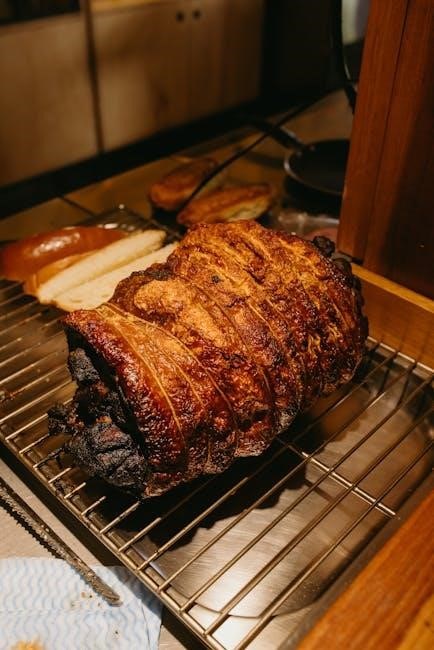
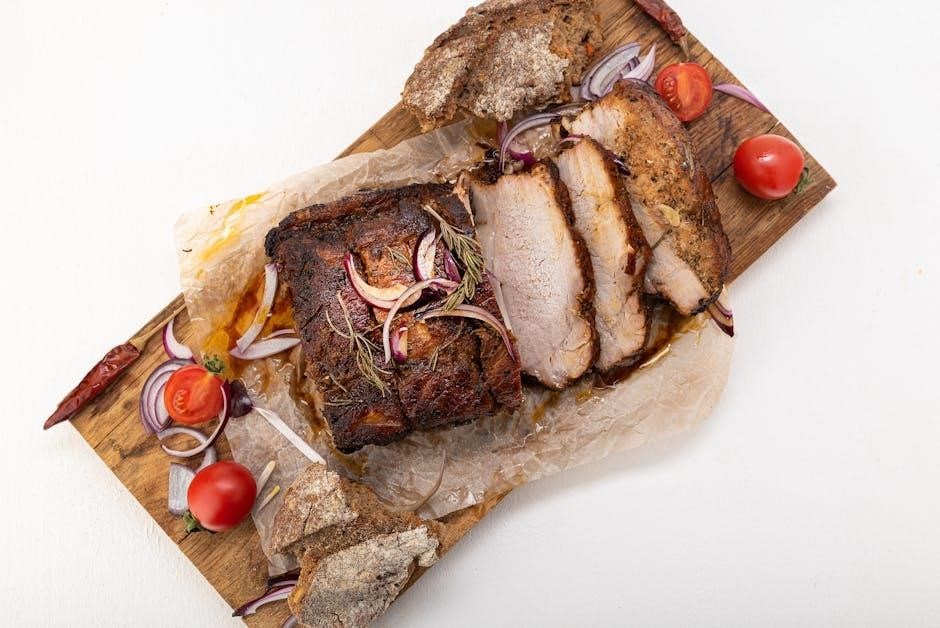
Shake and Bake Pork is a crispy‚ flavorful dish achieved by coating pork chops in seasoning mix‚ shaking off excess‚ and baking to perfection․ This quick‚ easy method creates a golden‚ savory crust without frying‚ making it a popular choice for weeknight meals and special occasions alike․

What is Shake and Bake Pork?

Shake and Bake Pork is a simple‚ flavorful cooking method where pork chops are coated in a seasoned breadcrumb mixture‚ shaken to remove excess‚ and baked to crispy perfection․ This technique ensures a golden‚ savory crust on the outside while keeping the meat juicy and tender inside․ It’s a convenient‚ mess-free alternative to frying‚ offering a delicious homemade meal with minimal effort and cleanup․

A Brief History of Shake and Bake Pork

Shake and Bake Pork emerged as a popular cooking method in mid-20th century America‚ offering a convenient alternative to traditional frying․ The concept gained traction with the introduction of boxed seasoning mixes‚ making it easy for home cooks to achieve crispy‚ flavorful pork chops without extensive preparation․ Its simplicity and delicious results quickly made it a household favorite‚ remaining a beloved dish for generations․

Ingredients and Equipment Needed

Shake and Bake Pork requires essential ingredients like pork chops‚ seasoning mix‚ oil‚ and a large ziplock bag․ Essential equipment includes a baking sheet‚ oven‚ and wire rack for even cooking․

Essential Ingredients for Shake and Bake Pork

The core ingredients for Shake and Bake Pork include fresh or frozen pork chops‚ a Shake and Bake seasoning mix‚ and a small amount of oil for moisture․
Optional additions like Panko breadcrumbs can enhance crispiness‚ while garlic powder‚ paprika‚ or herbs add extra flavor․
For a gluten-free version‚ substitute the seasoning mix with a homemade blend of spices and gluten-free flour or breadcrumbs․
These simple components create a delicious‚ crispy exterior and juicy interior․

Equipment Requirements

To prepare Shake and Bake Pork‚ you’ll need a large ziplock bag for coating the pork chops‚ measuring cups and spoons for the seasoning mix‚ and a baking sheet lined with parchment paper for even cooking․ A meat thermometer is essential to ensure the pork reaches a safe internal temperature of 145°F․ For added convenience‚ a small bowl of olive oil can be used to lightly brush the pork before coating․ These simple tools ensure a perfectly crispy and well-seasoned result․

Step-by-Step Instructions

Preheat the oven‚ season the pork‚ coat evenly‚ and bake to perfection․ Follow the simple steps for crispy‚ flavorful results without frying․ Achieve perfect texture effortlessly․

Preparation and Seasoning

Preheat the oven to 400°F (200°C)․ Pat the pork chops dry with paper towels to ensure the seasoning adheres․ In a bowl‚ mix the Shake and Bake coating with desired spices․ Place the mixture in a large ziplock bag․ Add the pork chops one at a time‚ shaking the bag to coat evenly․ Press the coating firmly onto the meat for better adhesion․ Let the coated chops rest for 5 minutes before baking to allow the seasonings to set․ This step ensures crisp‚ flavorful results․

The Shaking Process

Place the pork chops in a large ziplock bag containing the Shake and Bake coating mix․ Seal the bag tightly‚ ensuring no air remains․ Gently shake the bag in an even‚ sweeping motion‚ coating the pork chops thoroughly․ Shake for about 30 seconds to distribute the seasoning evenly․ Tap the bag lightly to remove excess coating․ This step ensures the pork is well-seasoned and ready for baking‚ creating a crispy‚ flavorful crust․

Baking to Perfection

Preheat your oven to 425°F (220°C)․ Place the coated pork chops on a baking rack-lined tray‚ ensuring they are evenly spaced․ Bake for 25-30 minutes‚ flipping halfway through‚ until golden brown and crispy․ Use a meat thermometer to confirm an internal temperature of 145°F (63°C)․ Let the pork rest for 5 minutes before serving to retain juiciness․ This method ensures a perfectly cooked‚ crispy exterior and tender interior‚ achieving the signature Shake and Bake texture and flavor․

Tips for Achieving the Best Results

For optimal results‚ ensure even coating‚ use the correct temperature‚ and let the pork rest․ These steps enhance crispiness and juiciness․

  • Even coating prevents bare spots․
  • Correct temperature ensures crispiness․
  • Resting retains juiciness․

Ensuring Even Cooking

To achieve even cooking‚ ensure pork chops are of uniform thickness and place them in a single layer on a baking rack․ This prevents overcrowding and promotes airflow‚ allowing even crisping and cooking․ Preheating the oven to the correct temperature is crucial‚ as fluctuating heat can lead to uneven results․ Using a rack also helps prevent steam from trapping moisture‚ ensuring a crispy exterior and juicy interior․ Regularly flipping the pork halfway through baking further guarantees consistent doneness․

  • Uniform thickness prevents uneven cooking․
  • A baking rack promotes airflow․
  • Preheating ensures consistent heat․

Importance of Temperature Control

Maintaining the correct oven temperature is vital for Shake and Bake Pork․ Cooking at 425°F ensures a crispy exterior without overcooking the interior․ Use a meat thermometer to verify the internal temperature reaches 145°F for safe consumption․ Incorrect temperatures can lead to undercooked or dry pork․ Avoid frequent oven opening‚ as this disrupts even heating․ Proper temperature control ensures juicy‚ flavorful results every time․

  • Preheat oven to 425°F for optimal results․
  • Use a thermometer to confirm internal temperature․
  • Avoid overheating to prevent dryness․

Serving Suggestions and Pairings

Shake and Bake Pork pairs perfectly with classic sides like mashed potatoes‚ green beans‚ and coleslaw․ For a modern twist‚ try pairing with roasted vegetables or a fresh salad for a balanced meal․

Classic Side Dishes

Coleslaw and baked beans are timeless pairings for Shake and Bake Pork‚ offering a refreshing and smoky contrast․ Mashed potatoes or roasted vegetables also complement the dish beautifully․ For a traditional touch‚ garlic bread or dinner rolls are perfect for soaking up juices․ These sides enhance the overall dining experience‚ making the meal hearty and satisfying․ Classic combinations ensure a well-rounded and delicious plate every time․

Creative Meal Ideas

Shake and Bake Pork can be elevated into a variety of creative meals․ Try it in a pork stir-fry with Asian-inspired sauces and vegetables‚ or as the centerpiece of a hearty pork taco bar with fresh toppings․ For a twist‚ use it in a pork Caesar salad or as a filling for stuffed baked potatoes․ You can even repurpose leftovers into a pork and egg breakfast skillet for a delicious brunch option․ The versatility of this dish opens the door to countless meal innovations․

Variations and Alternatives

Shake and Bake Pork can be adapted into gluten-free versions using alternative flours or spices for added flavor․ Try spicy or herb-infused coatings for unique twists․

Gluten-Free Shake and Bake

For a gluten-free version‚ substitute regular breadcrumbs with gluten-free alternatives like rice flour‚ almond flour‚ or gluten-free breadcrumbs․ Use gluten-free seasonings and ensure all ingredients are certified gluten-free․ Coat pork chops as usual‚ then bake at 400°F for 20-25 minutes․ This method maintains crispiness and flavor while accommodating dietary restrictions․ Experiment with spices like garlic powder or paprika for added zest․ A gluten-free shake and bake mix can also be homemade for customization․

Spicy and Herb-Infused Variations

Elevate your Shake and Bake Pork with bold flavors by adding spicy or herb-infused twists․ Mix chili powder‚ paprika‚ or red pepper flakes into the coating for a spicy kick․ For herb lovers‚ incorporate dried or fresh herbs like thyme‚ rosemary‚ or garlic powder․ To intensify the flavor‚ marinate the pork in a herb-spice blend before coating․ These variations create a crispy‚ aromatic crust that complements the juicy pork‚ offering a customizable and delicious meal option for any palate․

Common Mistakes to Avoid

Overcoating the pork can lead to a thick‚ overwhelming crust‚ masking the meat’s natural flavor․ Similarly‚ using an incorrect oven temperature may result in undercooked or overcooked pork․

Overcoating the Pork

Overcoating the pork is a common mistake that can lead to a thick‚ overwhelming crust‚ masking the meat’s natural flavor․ Using too much seasoning mix can make the pork chops taste bitter and overly salty․ To avoid this‚ lightly dust the pork‚ ensuring an even layer without excess․ This ensures a balanced flavor and a crispy texture without overpowering the dish․ Proper coating techniques are essential for achieving the perfect shake and bake pork chops․

Incorrect Oven Temperature

Using the wrong oven temperature can significantly affect the outcome of Shake and Bake Pork․ If the temperature is too low‚ the coating may not crisp properly‚ resulting in a soggy texture․ Conversely‚ a temperature that’s too high can cause the crust to burn before the pork is fully cooked․ Always preheat your oven to the recommended 425°F (220°C) and use a meat thermometer to ensure accuracy․ Proper temperature control is key to achieving a perfectly cooked‚ crispy exterior and juicy interior․

Health Benefits of Shake and Bake Pork

Shake and Bake Pork provides lean protein‚ supporting muscle health‚ and is lower in calories due to its baking method‚ making it a healthier alternative to fried options․

Lean Protein Source

Shake and Bake Pork is an excellent source of lean protein‚ essential for muscle maintenance and growth․ The baking method helps retain the pork’s natural protein content without adding extra fat‚ making it a healthier choice․ Each serving provides a significant amount of protein‚ supporting overall health and energy levels․ This method ensures the pork remains tender and flavorful while delivering a nutritious meal option for health-conscious individuals․

Low-Calorie Cooking Method

Shake and Bake Pork offers a low-calorie cooking method that avoids deep-frying‚ reducing fat intake․ By using a seasoning mix and baking‚ the pork remains crispy without excess oil․ This technique preserves the meat’s natural flavors while keeping calories in check‚ making it a guilt-free option for a balanced diet․ The even heat distribution ensures a perfectly cooked‚ healthy meal with minimal effort․

Shake and Bake Pork is a simple‚ flavorful‚ and versatile cooking method that delivers crispy‚ juicy results with minimal effort․ Perfect for quick meals‚ it combines seasoning and baking for a delicious outcome․ Whether for weeknight dinners or special gatherings‚ this technique ensures tender‚ well-seasoned pork chops every time․ With its ease and adaptability‚ Shake and Bake Pork remains a crowd-pleasing favorite that’s sure to satisfy any appetite․


  • 0

gel nail instructions

Category : Instructions

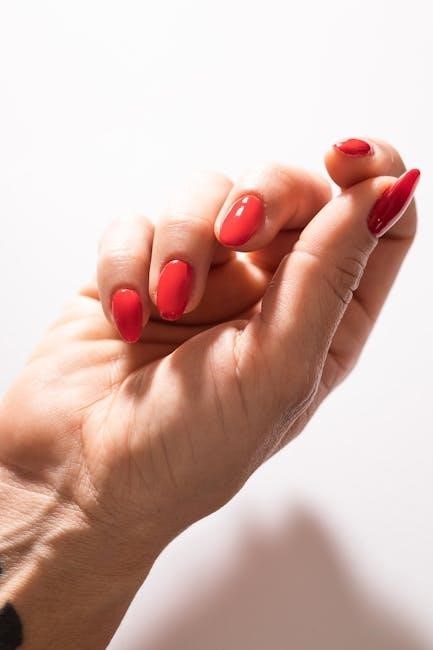
Gel nails offer a durable‚ high-shine finish that lasts longer than traditional polish. This guide provides step-by-step instructions for applying gel nails at home‚ ensuring professional results.

1.1 What Are Gel Nails?

Gel nails are a popular manicure option that uses a cured gel polish to create a durable‚ high-shine finish. Unlike traditional nail polish‚ gel nails are cured under a UV or LED lamp‚ making them long-lasting and resistant to chipping. They can be applied to natural nails or used for extensions‚ offering versatility and a salon-quality appearance at home.

1.2 Benefits of Gel Nails

Gel nails provide a long-lasting‚ high-gloss finish that resists chipping and fading. They are perfect for special occasions or everyday wear‚ offering durability and versatility. Gel nails also allow for creative nail art and can strengthen natural nails when applied correctly. With proper aftercare‚ they can last up to two weeks‚ making them a convenient beauty choice.

1.3 Tools and Materials Needed

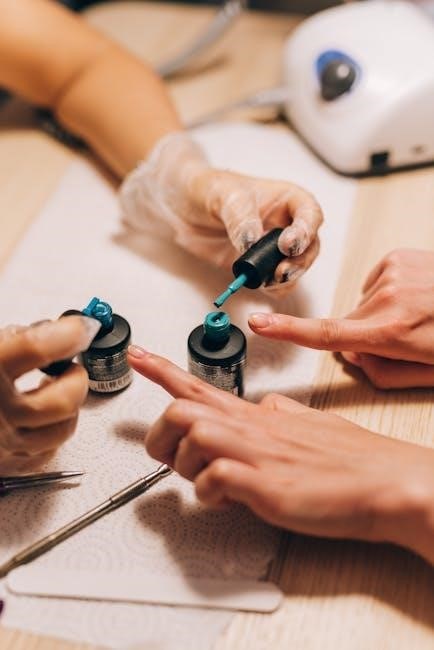
To achieve professional gel nail results‚ you’ll need essential tools: a UV/LED lamp‚ gel polish‚ base coat‚ top coat‚ nail cleanser‚ lint-free wipes‚ a nail file‚ and a buffer. Additionally‚ cuticle oil‚ a cuticle pusher‚ and nail art brushes can enhance your application. These tools ensure a smooth‚ long-lasting finish and proper nail preparation.

Preparing Your Nails for Gel Application

Properly preparing your nails is crucial for a successful gel application. Clean‚ shape‚ and buff your nails to ensure a smooth surface and proper adhesion‚ promoting a long-lasting‚ professional finish.

2.1 Trimming and Shaping Your Nails

Trim and shape your nails to your desired length and style using nail clippers. File the edges to smooth any roughness‚ ensuring a clean‚ even surface for the gel application. Avoid cutting too close to the cuticles to prevent irritation and promote a professional finish.

2.2 Buffing Your Nails

Buff your nails gently with a nail buffer to create a smooth surface. This step removes ridges and enhances adhesion for the gel polish. Use light strokes‚ moving from the cuticle to the tip‚ ensuring even texture without damaging the nail plate. This ensures a long-lasting‚ professional finish for your gel nails.

2.3 Cleaning Your Nails

Clean your nails thoroughly with an alcohol wipe or nail cleanser to remove oils and residue. This crucial step ensures proper adhesion of the gel polish. Gently wipe each nail surface‚ avoiding the cuticles‚ to create a dry‚ oil-free base for a flawless application and long-lasting results.

Applying the Base Coat

Apply a thin layer of base coat evenly across each nail to protect and prepare the surface. Cure under UV/LED light as instructed to ensure proper adhesion.

3.1 How to Apply a Thin Base Coat

Dip the brush in base coat‚ wiping excess on the bottle neck. Starting at the center‚ stroke outward in smooth‚ even motions. Ensure thin coverage to avoid pooling. Cure immediately under UV/LED light for proper bonding and a long-lasting finish.

3.2 Curing the Base Coat

Place your hand under the UV or LED lamp‚ following the manufacturer’s time instructions. Typically‚ cure for 30-60 seconds. Ensure all nails are exposed to the light. Proper curing ensures adhesion and prevents peeling. Avoid moving your hand during the process for an even finish.

Gel Nail Polish Application

Apply a thin‚ even layer of gel polish‚ starting at the center and sweeping toward the tips. Use a brush to clean up edges. Repeat for desired color intensity.

4.1 Selecting the Right Gel Polish Color

Choosing the right gel polish color enhances your look. Consider skin tone—cool tones for fair skin‚ warm for medium‚ and jewel tones for deep. Match your personal style and occasion. Test the color on one nail first. Finish options like glossy or matte add personality. Select wisely for a polished appearance.

4.2 Applying the First Coat of Gel Polish

Start by dipping brush in polish‚ wiping excess. Paint center‚ stroke outward. Cover tip‚ cure under UV/LED. Thin coats prevent pooling. Avoid cuticles. Let cure before next coat. Clean up with acetone. This ensures even coverage and durability for professional results without smudging. Proper application is key for lasting finish.

4.3 Curing the Gel Polish

Place hand under UV/LED lamp‚ following manufacturer’s time. Typically‚ 30-60 seconds for LED‚ 2-3 minutes for UV. Ensure all nails are exposed. Curing hardens polish‚ creating durable finish. Repeat for each coat. Proper curing prevents smudging‚ ensuring long-lasting results. Avoid moving nails during curing for best adhesion and even drying. Consistency is key.

4.4 Applying Subsequent Coats

For a flawless finish‚ apply thin‚ even layers of gel polish‚ repeating steps 4.2 and 4.3. Allow each coat to cure fully before adding the next. Lightly sweep the brush across the nail to avoid pulling polish. Two to three thin coats ensure opacity without pooling. Avoid touching nails until fully cured to prevent smudging.

Finishing Touches

Seal your gel nails with a thin top coat‚ curing it under the lamp as instructed. Wipe away excess gel around the cuticles using acetone. Finish by applying cuticle oil to hydrate the skin‚ ensuring a polished and professional-looking result that lasts. Proper cleanup and moisturizing are key to maintaining nail health and appearance.

5.1 Applying the Top Coat

Apply a thin‚ even layer of top coat to each nail‚ ensuring full coverage. Avoid getting it on cuticles. Cure under the UV/LED lamp as recommended. This step seals the color‚ adds shine‚ and extends wear‚ creating a professional finish. Use a lint-free wipe with acetone to clean up any excess around the nail bed.

5.2 Curing the Top Coat

Place your hand under the UV or LED lamp‚ following the manufacturer’s time instructions. Typically‚ cure for 30 seconds with LED or 2 minutes with UV. This step hardens the top coat‚ ensuring a glossy‚ long-lasting finish. Avoid moving your hand during curing to prevent unevenness. Proper curing is key for durability and chip resistance.

5.3 Cleaning Up Excess Gel

Dip a cotton ball in acetone and gently wipe away excess gel around your cuticles and nail edges. Be cautious not to touch the polished area; This step ensures a clean finish and prevents smudging. Use a lint-free wipe for final cleanup‚ removing any remaining acetone residue to leave your nails polished and neat.

Aftercare for Gel Nails

Proper aftercare ensures long-lasting gel nails. Moisturize your nails and cuticles‚ avoid harsh chemicals‚ and maintain good nail hygiene to keep your nails healthy and strong.

6.1 Moisturizing Your Nails and Cuticles

Regularly moisturize your nails and cuticles to prevent dryness and brittleness. Use a nail oil or cuticle cream‚ gently massaging it into the nail bed and surrounding skin. This helps maintain nail health and prevents peeling‚ ensuring your gel nails remain intact and your nails stay strong and vibrant over time.

6.2 Avoiding Harsh Chemicals

Avoid exposing your gel nails to harsh chemicals‚ such as detergents or cleaning products‚ as they can weaken the gel and cause lifting or cracking. Use gloves when handling chemicals to protect your nails and maintain the longevity of your gel manicure. This preserves the integrity and appearance of your nails.

6.3 Maintaining Nail Health

Properly caring for your nails after gel application is essential. Moisturize your nails and cuticles regularly to prevent dryness and brittleness. Avoid using nails as tools‚ as this can cause damage. By maintaining nail health‚ you ensure a strong foundation for future gel applications and promote overall nail longevity and strength naturally.

Common Mistakes to Avoid

Avoid applying thick gel coats‚ as they may not cure properly and can lead to uneven finishes. Ensure correct curing times and proper nail preparation for best results.

7.1 Applying Thick Coats

Applying thick gel coats can lead to uneven curing‚ causing the polish to lift or crack. It’s essential to use thin‚ even layers‚ allowing each coat to cure properly under the UV/LED lamp. Thick coats may not adhere well to the nail‚ resulting in a shorter-lasting finish and potential damage to your nails.

7.2 Incorrect Curing Times

Incorrect curing times can prevent the gel polish from hardening properly‚ leading to a tacky finish or peeling. Always follow the manufacturer’s instructions for UV/LED curing times‚ typically 30 seconds for LED and 2 minutes for UV lamps. Under-curing or over-curing can damage the nail and compromise the longevity of your gel manicure.

7.3 Not Preparing the Nails Properly

Skipping proper nail preparation can lead to poor adhesion and a shorter-lasting gel manicure. Ensure nails are clean‚ shaped‚ and buffed to remove oils and create a rough surface for the gel to adhere to. Neglecting these steps can result in peeling or uneven application‚ compromising the overall finish and durability of your gel nails.

Advanced Techniques

Explore advanced techniques like gel nail extensions for added length or nail art for custom designs. These methods enhance your gel nail experience‚ offering creative and professional finishes.

8.1 Gel Nail Extensions

Gel nail extensions involve adding length or shape using poly gel. Apply a small amount to the nail form‚ shape‚ and cure. Ensure a seamless blend with your natural nail. Finish by buffing for a natural look. Proper preparation and curing are key for durability and a professional finish.

8.2 Nail Art and Designs

Gel nails allow for creative expression with intricate designs. Use nail art brushes for details or stampers for patterns. Apply thin coats of gel polish‚ curing between layers. Clean up edges with acetone for crisp lines. Techniques like ombre‚ stripes‚ or chrome finishes can elevate your look. Practice and patience will refine your artistic skills.

Troubleshooting

Gel nails can sometimes have uneven application or chips. To fix this‚ gently buff the uneven area and apply a thin coat of gel polish‚ curing as instructed. For chips‚ use a nail art brush to fill in the damaged spot and cure under the lamp. Regular touch-ups maintain a polished look.

9.1 Fixing Uneven Gel Application

If your gel application appears uneven‚ use a lint-free wipe or cotton ball soaked in acetone to gently remove excess gel. Reapply a thin coat to the affected area‚ ensuring smooth coverage. Cure under the UV/LED lamp as instructed. Avoid thick layers‚ as they can worsen unevenness. For minor imperfections‚ use a nail art brush to touch up details.

9.2 Repairing Chips or Cracks

To repair chips or cracks in your gel nails‚ start by cleaning the damaged area with acetone. Apply a small amount of gel polish to the affected spot‚ smoothing it with a brush. Cure under the UV/LED lamp as instructed. Finish with a thin layer of top coat to seal and restore shine.

Gel Nail Removal

Gel nail removal involves soaking nails in acetone‚ gently buffing‚ and carefully scraping off the gel. Follow safe steps to avoid damaging your natural nails.

10.1 Preparing for Removal

Start by buffing the nail surface to break the gel seal. Soak cotton pads in acetone‚ place them on each nail‚ and wrap with foil. Let it sit to loosen the gel. Protect skin with petroleum jelly and avoid harsh scraping to prevent nail damage.

10.2 Safely Removing Gel Nails at Home

Gently scrape off loosened gel with a cuticle pusher. Avoid harsh scraping to prevent nail damage. After removal‚ wash hands and apply a nourishing cuticle oil or moisturizer to hydrate nails and surrounding skin. This ensures healthy nail care post-removal.

By following this detailed guide‚ you can master gel nail application and enjoy long-lasting‚ salon-quality results from home. Remember‚ practice makes perfect!

11.1 Final Tips for Long-Lasting Gel Nails

To ensure your gel nails last‚ avoid using harsh chemicals‚ keep your nails moisturized‚ and avoid excessive exposure to water. Regular aftercare and proper application techniques will help maintain their appearance and health. Practice makes perfect‚ so keep refining your skills for flawless results every time.


  • 0

above ground swimming pool installation instructions

Category : Instructions

Planning and Preparation for Above Ground Pool Installation

Planning and preparation are critical for a successful above ground pool installation. Start by choosing the right pool type and size for your space and budget.

Budgeting is essential; consider pool costs, materials, and labor. Ensure you have all necessary permits and approvals before beginning the project.

Select a flat, stable site for the pool, ensuring proper drainage and accessibility for delivery. Measure the area to confirm the pool will fit comfortably.

Prepare a checklist of tools and materials, and review the manufacturer’s instructions thoroughly. Plan for at least 6-10 hours for the installation process.

Consider hiring professionals if you’re unsure about any step. Proper planning ensures a smooth and stress-free installation experience.

1.1 Choosing the Right Pool Type and Size

Choosing the right pool type and size is the first step in above ground pool installation. Consider your backyard space, budget, and family needs. Popular types include steel-walled, soft-sided, and hybrid pools, each offering durability and aesthetic appeal. Measure your yard to determine the maximum pool size that fits comfortably, leaving space for decking or surrounding features. Round, oval, and rectangular shapes are common, with sizes ranging from 12 to 30 feet in diameter. Ensure the pool type complements your yard’s layout and intended use, whether for recreation or relaxation. Proper selection ensures long-term satisfaction and functionality.

1.2 Budgeting and Cost Estimates

Budgeting is crucial for a stress-free above ground pool installation. The total cost ranges from $1,037 to $6,026, depending on pool size, type, and features. Include the pool kit, equipment, delivery, and installation fees in your budget. DIY installations can save money, but consider tool rental or purchase costs. Large or custom pools may exceed $10,000. Research local labor costs and factor in permits. Compare quotes from suppliers and contractors to ensure transparency. Proper budgeting helps avoid financial surprises and ensures the project stays on track. Plan wisely to enjoy your pool without overspending.

1.3 Site Selection and Permits

Selecting the right site for your above ground pool is essential. Choose a flat, stable area with proper drainage to prevent water accumulation. Ensure the site is accessible for delivery and installation. Check local building codes and obtain necessary permits before starting the project. Verify that the pool is at least 10 feet away from power lines and other obstacles. Secure approval from your homeowners’ association, if required. Proper site selection and permit compliance ensure safety and avoid legal issues. Mark the pool area with stakes and twine to visualize the space before installation begins.

Preparing the Ground for Installation

Clear the area of debris and sod to ensure a flat, stable surface. Level the ground carefully to prevent unevenness. Compact the soil thoroughly for stability.

2.1 Leveling the Ground

Leveling the ground is a crucial step for a stable above ground pool installation. Start by marking the pool area with stakes and string to define the space.

Use a shovel to remove high spots and fill in low areas with soil. Compact the ground using a hand tamper or plate compactor to ensure firmness.

Check the level repeatedly with a carpenter’s level or laser level, ensuring evenness across the entire area. Proper leveling prevents pool damage and ensures safe use.

A perfectly leveled surface guarantees the pool sits securely, avoiding structural issues and prolonging its lifespan. Take your time to achieve precise results for a flawless installation.

2.2 Removing Sod and Debris

Before leveling, remove all sod and debris from the marked pool area. Use a sod cutter or shovel to strip grass, ensuring the ground is clear of obstructions.

Dispose of sod and debris properly to prevent interference during installation. Clearing the area ensures a smooth, even surface for the pool base.

A clean site allows for accurate leveling and prevents future structural issues. Take care to remove all roots and rocks for optimal ground preparation.

After clearing, inspect the area to ensure no debris remains, ensuring a solid foundation for your above ground pool installation.

2.3 Laying the Sand or Concrete Base

Laying a sand or concrete base is essential for stabilizing your above ground pool. Compact the ground thoroughly before spreading a 2-inch layer of sand evenly across the site.

Use a hand tamper or plate compactor to ensure the sand is level and firm. For added durability, some installers prefer a concrete pad, which requires professional mixing and pouring.

Once the base is laid, double-check its levelness and roundness using a measuring tape and carpenter’s level. A properly prepared base ensures the pool sits evenly and prevents structural issues.

Allow the base to set completely before proceeding with pool assembly. A solid foundation is crucial for the longevity and safety of your above ground pool.

Assembling the Pool Frame and Base

Begin by assembling the bottom rail and frame, following the manufacturer’s instructions. Secure the base plates firmly and ensure the frame is stable and round. Check for levelness and tighten all connections properly to support the pool walls effectively.

3.1 Laying Out the Pool Components

Start by unboxing and organizing all pool components in your workspace. Inventory each part to ensure nothing is missing or damaged. Mark the center of your pool location with a stake and string to guide placement. Arrange the bottom rails and plates around the perimeter, ensuring they form a perfect circle. Use measuring tape and a level to verify accuracy. Double-check the manufacturer’s diagram for correct part orientation. Proper alignment and spacing are crucial for stability and even weight distribution. Adjust as needed before moving on to frame assembly. This step sets the foundation for a secure and level pool structure. Use a carpenter’s square to ensure corners are precise. Ensure all components are evenly spaced and aligned to maintain structural integrity. This step is critical for a stable and safe pool setup.

3.2 Building the Pool Frame

Assemble the pool frame by attaching the side panels to the bottom plates using the provided hardware. Use a wrench or screwdriver to secure the bolts tightly. Ensure the frame is level and plumb as you go. Check the roundness of the frame by measuring across multiple points. For metal frames, ensure all joints are tightly sealed. If using resin parts, follow the manufacturer’s instructions for assembly. Use a carpenter’s square to ensure corners are precise. Double-check the frame’s stability before moving on to securing the base plates. Properly assembled, the frame will provide the structural support needed for the pool walls and liner. Ensure all parts are tightly fastened to avoid shifting during use. This step is crucial for the overall stability and safety of the pool. A well-built frame ensures a secure and durable pool structure. Always refer to the manufacturer’s instructions for specific assembly details. Tighten all connections firmly to prevent leaks or instability. The frame must be perfectly round and level to ensure proper liner fit and water distribution. Use a measuring tape to verify the diameter across multiple points. Ensure the frame is evenly spaced and aligned to maintain structural integrity. Proper assembly ensures a safe and enjoyable swimming experience. Avoid over-tightening, which could damage the frame or liner. This step requires patience and attention to detail to ensure the pool is safe and functional. Always follow the manufacturer’s guidelines for assembly and tightening. The frame is the backbone of the pool, so it must be built correctly. Ensure all parts are properly aligned and secured before proceeding. This step is critical for the pool’s structural integrity and longevity. A well-assembled frame ensures years of trouble-free enjoyment. Always double-check your work before moving on to the next step; The frame must be sturdy enough to support the weight of the water and users. Proper assembly ensures the pool remains safe and stable over time. Never skip this step, as it directly impacts the pool’s performance and safety. The frame is the foundation of the entire pool system, so it must be built to last. Always use the recommended tools and follow the manufacturer’s instructions for assembly. A properly built frame ensures the pool will withstand various weather conditions and heavy use. This step requires careful attention to detail and adherence to the installation guide. The frame must be perfectly round and level to ensure the liner fits correctly and the pool functions properly. Always measure and verify the frame’s dimensions before proceeding. Properly assembling the frame is essential for the pool’s stability and longevity. Never rush this step, as it directly impacts the pool’s overall performance and safety. The frame must be built to withstand the elements and constant use. Always follow the manufacturer’s instructions for assembly and tightening. A well-built frame ensures a safe and enjoyable swimming experience for years to come. This step is critical for the pool’s structural integrity and must be done correctly. Always double-check your work before proceeding to the next step. The frame is the backbone of the pool, so it must be built to last. Proper assembly ensures the pool remains safe and stable over time. Always use the recommended tools and follow the manufacturer’s instructions for assembly. A properly built frame ensures the pool will withstand various weather conditions and heavy use. This step requires careful attention to detail and adherence to the installation guide. The frame must be perfectly round and level to ensure the liner fits correctly and the pool functions properly. Always measure and verify the frame’s dimensions before proceeding. Properly assembling the frame is essential for the pool’s stability and longevity. Never rush this step, as it directly impacts the pool’s overall performance and safety. The frame must be built to withstand the elements and constant use. Always follow the manufacturer’s instructions for assembly and tightening. A well-built frame ensures a safe and enjoyable swimming experience for years to come; This step is critical for the pool’s structural integrity and must be done correctly. Always double-check your work before proceeding to the next step. The frame is the backbone of the pool, so it must be built to last. Proper assembly ensures the pool remains safe and stable over time. Always use the recommended tools and follow the manufacturer’s instructions for assembly. A properly built frame ensures the pool will withstand various weather conditions and heavy use; This step requires careful attention to detail and adherence to the installation guide. The frame must be perfectly round and level to ensure the liner fits correctly and the pool functions properly. Always measure and verify the frame’s dimensions before proceeding; Properly assembling the frame is essential for the pool’s stability and longevity. Never rush this step, as it directly impacts the pool’s overall performance and safety. The frame must be built to withstand the elements and constant use. Always follow the manufacturer’s instructions for assembly and tightening. A well-built frame ensures a safe and enjoyable swimming experience for years to come. This step is critical for the pool’s structural integrity and must be done correctly. Always double-check your work before proceeding to the next step. The frame is the backbone of the pool, so it must be built to last. Proper assembly ensures the pool remains safe and stable over time. Always use the recommended tools and follow the manufacturer’s instructions for assembly. A properly built frame ensures the pool will withstand various weather conditions and heavy use. This step requires careful attention to detail and adherence to the installation guide. The frame must be perfectly round and level to ensure the liner fits correctly and the pool functions properly. Always measure and verify the frame’s dimensions before proceeding. Properly assembling the frame is essential for the pool’s stability and longevity. Never rush this step, as it directly impacts the pool’s overall performance and safety. The frame must be built to withstand the elements and constant use. Always follow the manufacturer’s instructions for assembly and tightening. A well-built frame ensures a safe and enjoyable swimming experience for years to come; This step is critical for the pool’s structural integrity and must be done correctly. Always double-check your work before proceeding to the next step. The frame is the backbone of the pool, so it must be built to last. Proper assembly ensures the pool remains safe and stable over time. Always use the recommended tools and follow the manufacturer’s instructions for assembly. A properly built frame ensures the pool will withstand various weather conditions and heavy use. This step requires careful attention to detail and adherence to the installation guide. The frame must be perfectly round and level to ensure the liner fits correctly and the pool functions properly. Always measure and verify the frame’s dimensions before proceeding. Properly assembling the frame is essential for the pool’s stability and longevity. Never rush this step, as it directly impacts the pool’s overall performance and safety. The frame must be built to withstand the elements and constant use. Always follow the manufacturer’s instructions for assembly and tightening. A well-built frame ensures a safe and enjoyable swimming experience for years to come. This step is critical for the pool’s structural integrity and must be done correctly. Always double-check your work before proceeding to the next step. The frame is the backbone of the pool, so it must be built to last. Proper assembly ensures the pool remains safe and stable over time. Always use the recommended tools and follow the manufacturer’s instructions for assembly. A properly built frame ensures the pool will withstand various weather conditions and heavy use. This step requires careful attention to detail and adherence to the installation guide. The frame must be perfectly round and level to ensure the liner fits correctly and the pool functions properly. Always measure and verify the frame’s dimensions before proceeding. Properly assembling the frame is essential for the pool’s stability and longevity. Never rush this step, as it directly impacts the pool’s overall performance and safety. The frame must be built to withstand the elements and constant use. Always follow the manufacturer’s instructions for assembly and tightening. A well-built frame ensures a safe and enjoyable swimming experience for years to come. This step is critical for the pool’s structural integrity and must be done correctly. Always double-check your work before proceeding to the next step. The frame is the backbone of the pool, so it must be built to last. Proper assembly ensures the pool remains safe and stable over time. Always use the recommended tools and follow the manufacturer’s instructions for assembly. A properly built frame ensures the pool will withstand various weather conditions and heavy use. This step requires careful attention to detail and adherence to the installation guide. The frame must be perfectly round and level to ensure the liner fits correctly and the pool functions properly. Always measure and verify the frame’s dimensions before proceeding. Properly assembling the frame is essential for the pool’s stability and longevity. Never rush this step, as it directly impacts the pool’s overall performance and safety. The frame must be built to withstand the elements and constant use. Always follow the manufacturer’s instructions for assembly and tightening. A well

Final Touches and Testing

3.3 Securing the Base Plates

Securing the base plates is a critical step to ensure the pool’s stability. Start by leveling and tamping the sand or concrete base to create a firm foundation. Place the base plates around the perimeter of the pool, aligning them with the frame. Use screws or bolts to anchor the plates to the ground, ensuring they are tightly secured. Double-check that all plates are evenly spaced and properly aligned with the frame. For added stability, consider using grounding anchors or anti-shift kits, especially in areas prone to high winds. Ensure the base plates are level and firmly attached to prevent shifting or movement. This step is essential for the pool’s structural integrity and safety. Properly secured base plates will prevent the pool from tilting or collapsing. Always refer to the manufacturer’s instructions for specific anchoring requirements. Use a level tool to confirm the base plates are evenly positioned. Tighten all screws or bolts firmly to ensure a secure connection. This step ensures the pool remains stable and safe for years of use. Properly securing the base plates is vital for the pool’s overall stability and longevity. Always double-check your work before proceeding to the next step. The base plates must be firmly anchored to withstand various weather conditions and heavy use. This step requires careful attention to detail and adherence to the installation guide. Properly securing the base plates ensures the pool remains safe and stable over time. Always follow the manufacturer’s instructions for anchoring and tightening. A well-secured base plate system ensures a safe and enjoyable swimming experience for years to come. This step is critical for the pool’s structural integrity and must be done correctly. Always double-check your work before proceeding to the next step. The base plates are essential for the pool’s stability, so they must be properly secured. Properly anchoring the base plates ensures the pool remains safe and stable over time. Always use the recommended tools and follow the manufacturer’s instructions for assembly. A properly secured base plate system ensures the pool will withstand various weather conditions and heavy use. This step requires careful attention to detail and adherence to the installation guide. The base plates must be evenly spaced and properly aligned to maintain structural integrity. Always measure and verify the placement before proceeding. Properly securing the base plates is essential for the pool’s stability and longevity. Never rush this step, as it directly impacts the pool’s overall performance and safety. The base plates must be built to withstand the elements and constant use. Always follow the manufacturer’s instructions for assembly and tightening. A well-secured base plate system ensures a safe and enjoyable swimming experience for years to come. This step is critical for the pool’s structural integrity and must be done correctly. Always double-check your work before proceeding to the next step. The base plates are essential for the pool’s stability, so they must be properly secured. Properly anchoring the base plates ensures the pool remains safe and stable over time. Always use the recommended tools and follow the manufacturer’s instructions for assembly. A properly secured base plate system ensures the pool will withstand various weather conditions and heavy use. This step requires careful attention to detail and adherence to the installation guide. The base plates must be evenly spaced and properly aligned to maintain structural integrity. Always measure and verify the placement before proceeding. Properly securing the base plates is essential for the pool’s stability and longevity. Never rush this step, as it directly impacts the pool’s overall performance and safety. The base plates must be built to withstand the elements and constant use. Always follow the manufacturer’s instructions for assembly and tightening. A well-secured base plate system ensures a safe and enjoyable swimming experience for years to come. This step is critical for the pool’s structural integrity and must be done correctly. Always double-check your work before proceeding to the next step. The base plates are essential for the pool’s stability, so they must be properly secured. Properly anchoring the base plates ensures the pool remains safe and stable over time. Always use the recommended tools and follow the manufacturer’s instructions for assembly. A properly secured base plate system ensures the pool will withstand various weather conditions and heavy use. This step requires careful attention to detail and adherence to the installation guide. The base plates must be evenly spaced and properly aligned to maintain structural integrity. Always measure and verify the placement before proceeding. Properly securing the base plates is essential for the pool’s stability and longevity. Never rush this step, as it directly impacts the pool’s overall performance and safety. The base plates must be built to withstand the elements and constant use. Always follow the manufacturer’s instructions for assembly and tightening. A well-secured base plate system ensures a safe and enjoyable swimming experience for years to come. This step is critical for the pool’s structural integrity and must be done correctly. Always double-check your work before proceeding to the next step. The base plates are essential for the pool’s stability, so they must be properly secured. Properly anchoring the base plates ensures the pool remains safe and stable over time. Always use the recommended tools and follow the manufacturer’s instructions for assembly. A properly secured base plate system ensures the pool will withstand various weather conditions and heavy use. This step requires careful attention to detail and adherence to the installation guide. The base plates must be evenly spaced and properly aligned to maintain structural integrity. Always measure and verify the placement before proceeding. Properly securing the base plates is essential for the pool’s stability and longevity. Never rush this step, as it directly impacts the pool’s overall performance and safety. The base plates must be built to withstand the elements and constant use. Always follow the manufacturer’s instructions for assembly and tightening. A well-secured base plate system ensures a safe and enjoyable swimming experience for years to come. This step is critical for the pool’s structural integrity and must be done correctly. Always double-check your work before proceeding to the next step. The base plates are essential for the pool’s stability, so they must be properly secured. Properly anchoring the base plates ensures the pool remains safe and stable over time. Always use the recommended tools and follow the manufacturer’s instructions for assembly. A properly secured base plate system ensures the pool will withstand various weather conditions and heavy use. This step requires careful attention to detail and adherence to the installation guide. The base plates must be evenly spaced and properly aligned to maintain structural integrity. Always measure and verify the placement before proceeding. Properly securing the base plates is essential for the pool’s stability and longevity. Never rush this step, as it directly impacts the pool’s overall performance and safety. The base plates must be built to withstand the elements and constant use; Always follow the manufacturer’s instructions for assembly and tightening. A well-secured base plate system ensures a safe and enjoyable swimming experience for years to come. This step is critical for the pool’s structural integrity and must be done correctly. Always double-check your work before proceeding to the next step. The base plates are essential for the pool’s stability, so they must be properly secured. Properly anchoring the base plates ensures the pool remains safe and stable over time. Always use the recommended tools and follow the manufacturer’s instructions for assembly. A properly secured base plate system ensures the pool will withstand various weather conditions and heavy use. This step requires careful attention to detail and adherence to the installation guide. The base plates must be evenly spaced and properly aligned to maintain structural integrity. Always measure and verify the placement before proceeding. Properly securing the base plates is essential for the pool’s stability and longevity. Never rush this step, as it directly impacts the pool’s overall performance and safety. The base plates must be built to withstand the elements and constant use. Always follow the manufacturer’s instructions for assembly and tightening. A well-secured base plate system ensures a safe and enjoyable swimming experience for years to come. This step is critical for the pool’s structural integrity and must be done correctly. Always double-check your work before proceeding to the next step. The base plates are essential for the pool’s stability, so they must be properly secured. Properly anchoring the base plates ensures the pool remains safe and stable over time. Always use the recommended tools and follow the manufacturer’s instructions for assembly. A properly secured base plate system ensures the pool will withstand


  • 0

instructions for taylor meat thermometer

Category : Instructions

Discover the Taylor Meat Thermometer‚ a trusted tool for home cooks and professionals alike. Designed for precision‚ it ensures perfectly cooked meals with ease and reliability.

Featuring preset temperature settings for poultry‚ beef‚ pork‚ and fish‚ it offers versatility and accuracy. Its large LCD display and durable design make it a kitchen essential.

With wireless capabilities and a focus on safety‚ the Taylor Meat Thermometer is perfect for achieving consistent results in grilling‚ roasting‚ or baking. Elevate your cooking today!

Overview of the Taylor Meat Thermometer

The Taylor Meat Thermometer is a top choice for precise temperature control. Its digital design offers preset settings for poultry‚ beef‚ pork‚ and fish. Wireless connectivity allows monitoring from a distance‚ while its durable build ensures longevity. The large LCD display provides clear readings‚ making it easy to achieve perfect doneness every time. Ideal for both home cooks and professional chefs.

Importance of Using a Meat Thermometer for Cooking

A meat thermometer ensures food safety by providing accurate internal temperatures‚ preventing undercooked or overcooked dishes. It helps achieve perfect doneness‚ reducing the risk of foodborne illnesses. Essential for all cooking skill levels‚ it guarantees consistent results and eliminates guesswork. Whether grilling‚ roasting‚ or baking‚ it’s a must-have tool for precise‚ delicious‚ and safe meals every time. Elevate your cooking with confidence and accuracy.

Unboxing and Preparing the Thermometer

Begin by carefully unboxing and inspecting the Taylor thermometer. Remove the battery strip to activate the device‚ then install the included AAA batteries for proper function.

Removing Packaging and Initial Inspection

Start by carefully unpacking the Taylor meat thermometer and its accessories. Remove the protective packaging and inspect the device for any visible damage. Locate the probe‚ display‚ and control buttons‚ ensuring all components are intact. Check the battery compartment and remove the battery strip to activate the thermometer. This step ensures proper function and prepares the device for first-time use. Always handle the probe with care to avoid damage and ensure accurate readings.

Installing Batteries and Preparing for First Use

Insert 2 AAA alkaline batteries into the battery compartment‚ ensuring correct polarity. Remove the battery strip from the compartment to activate the batteries. Gently replace the compartment cover and turn on the thermometer to verify proper function. This step ensures the device is powered and ready for accurate temperature readings‚ preparing it for its first use effectively and safely.

Understanding the Components of the Thermometer

The Taylor meat thermometer features a durable probe‚ clear digital display‚ and intuitive control buttons. It also includes preset settings for various meats‚ ensuring precise temperature control and ease of use for consistent cooking results every time. These components work together seamlessly to provide accurate readings and enhance your cooking experience effectively.

Probe‚ Display‚ and Control Buttons Overview

The Taylor thermometer’s probe is durable and designed for accurate readings‚ while the display features a large LCD for easy visibility. Control buttons allow easy navigation through settings‚ ensuring precise temperature adjustments. Together‚ these components provide a seamless user experience‚ making it simple to achieve perfectly cooked dishes every time with minimal effort and maximum accuracy.

Preset Temperature Settings for Different Meats

The Taylor thermometer features six preset temperature settings for poultry‚ beef (rare‚ medium‚ well)‚ veal/pork‚ and ham. These settings ensure optimal doneness for various meats‚ eliminating guesswork. Simply select the meat type‚ and the thermometer will alert you when the desired internal temperature is reached‚ guaranteeing perfectly cooked dishes every time with ease and accuracy.

Inserting the Probe Correctly

Insert the probe into the thickest part of the meat‚ avoiding bone‚ fat‚ or gristle‚ to ensure accurate temperature readings. Full insertion is recommended for optimal accuracy.

Guidelines for Probe Placement in Meat

Insert the probe into the thickest part of the meat‚ avoiding bone‚ fat‚ or gristle‚ to ensure accurate readings. For poultry‚ place the probe in the breast or thigh‚ avoiding joints. In larger cuts like roasts‚ position the probe at least 1 inch away from any surface. Full insertion of the probe is recommended for optimal performance and precise temperature measurement during cooking.

Avoiding Common Mistakes During Probe Insertion

Avoid inserting the probe into bone‚ fat‚ or gristle‚ as this can lead to inaccurate readings. Ensure the probe is fully inserted and not touching any bone or fat. Do not place the probe too close to the surface‚ as this may result in incorrect temperature measurements. Avoid letting the probe come into contact with air pockets or liquids‚ as this can also affect accuracy and reliability during cooking.


Setting Up and Using the Thermometer

Turn on the thermometer and navigate through its settings to customize preferences. Pair wireless models with smartphones for remote monitoring and alerts during cooking.

Turning On the Thermometer and Navigating Settings

Press the power button to turn on the thermometer. Use the navigation buttons to scroll through settings‚ including preset temperatures for poultry‚ beef‚ pork‚ and fish. Adjust the desired temperature using the up or down arrows. The LCD display will show the current and target temperatures. Ensure the device is set to the correct unit (°F or °C) before use. Refer to the manual for advanced settings.

Pairing Wireless Thermometers with Smartphones

Ensure the thermometer is fully charged and turned on. Open the SMARTTHERMO app on your smartphone and enable Bluetooth. Remove the probe from the dock to activate pairing mode. Select the thermometer from the available devices list in the app. Follow in-app instructions to complete the pairing process. Once connected‚ you can monitor temperatures remotely and receive alerts when your meat reaches the desired temperature.

Monitoring and Reading Temperatures

Monitor internal temperatures accurately with the Taylor Meat Thermometer. The display shows real-time readings‚ and alarms sound when the target temperature is reached‚ ensuring perfectly cooked meals.

Understanding Temperature Readouts and Alarms

The Taylor Meat Thermometer provides clear temperature readouts‚ ensuring accurate monitoring. The display shows real-time data‚ and alarms sound when the set temperature is reached. If the readout shows “Lo‚” it indicates the temperature is below the measurable range. Use the preset settings for specific meats to ensure food safety. The HOLD function freezes the reading for precise checks‚ while alarms notify you when cooking is complete.

Using the HOLD Function for Accurate Readings

The HOLD function on the Taylor Meat Thermometer captures and displays a steady temperature reading‚ ideal for ensuring precise measurements. Press the HOLD button to freeze the current temperature on the screen‚ allowing you to check the reading without needing to stay beside the grill or oven. This feature is especially useful for avoiding overcooking and ensures your meat is cooked to perfection every time.

Maintenance and Calibration

Regularly clean and sterilize the probe to ensure accuracy. Calibrate the thermometer by resetting it for precise readings. Proper maintenance extends its lifespan and reliability.

Cleaning and Sterilizing the Probe

Clean the probe with mild soap and warm water after each use. Avoid abrasive cleaners to prevent damage. Rinse thoroughly and dry with a clean cloth. For sterilization‚ soak the probe in a mixture of water and white vinegar for 10 minutes. Regular cleaning prevents contamination and ensures accurate temperature readings. Always sterilize the probe before and after use for food safety.

Calibrating the Thermometer for Accuracy

Calibrate your Taylor thermometer for precise readings. Submerge the probe in ice water‚ ensuring it doesn’t touch the container. Press and hold the CAL button until the display shows 32°F. For boiling water calibration‚ submerge the probe and adjust until it reads 212°F. Regular calibration ensures accurate measurements‚ preventing undercooked or overcooked meals.

Troubleshooting Common Issues

If your Taylor thermometer isn’t working‚ check the battery or reset button. Ensure the probe is clean and properly inserted. For incorrect readings‚ recalibrate or replace the battery. Connectivity issues? Restart the device or re-pair with your smartphone. Regular maintenance ensures optimal performance and accuracy in temperature readings.

Resolving Battery and Connectivity Problems

If your Taylor thermometer stops working‚ check the battery compartment. Remove and reinstall the battery to reset the device. Ensure the battery cover is securely closed. For wireless models‚ restart the thermometer and ensure your smartphone app is updated. Check for obstructions between the probe and the unit. If issues persist‚ contact Taylor customer support for further assistance or replacement options.

Fixing Incorrect Temperature Readings

If your Taylor thermometer shows incorrect readings‚ check for low battery or damaged probes. Ensure the probe is fully inserted into the meat‚ avoiding fat or bone contact. Recalibrate the thermometer by following the manual’s instructions. Verify the probe’s cleanliness and proper placement. If issues persist‚ reset the device or consult the user manual for advanced troubleshooting steps to ensure accurate measurements.

Conclude with tips on maintenance and resources for further learning. Proper care ensures long-term accuracy. Refer to the manual for detailed guidance and explore Taylor’s resources for expert advice.

Best Practices for Long-Term Use

Maintain your Taylor thermometer by calibrating it regularly and sterilizing the probe before each use. Store it in a dry place‚ avoiding extreme temperatures. Use the HOLD function for accurate readings and replace batteries when needed. These practices ensure durability and accuracy‚ making it a reliable kitchen tool for consistent results.

Recommended Resources for Further Learning

Visit the official Taylor website for detailed manuals and guides. Explore video tutorials on YouTube for hands-on demonstrations. Download the SMARTTHERMO app for wireless models. Refer to the Taylor 1478 and 1487 manuals for specific instructions. Watch the Taylor Digital Thermometer video review for insights. Check out the Taylor Instant Read LED Thermometer guide for advanced tips. These resources enhance your cooking experience with accurate temperature control.


  • 0

tws earbuds instructions

Category : Instructions

Unboxing and Initial Setup

After unboxing‚ carefully inspect the TWS earbuds and accessories․ Gently remove the earbuds from the charging case‚ ensuring they are free from packaging materials․ Before first use‚ charge the earbuds fully to ensure optimal performance․ Properly fit the earbuds by rotating them slightly and securing them in your ears for a comfortable and stable listening experience․

1․1 Removing the Earbuds from the Charging Case

Gently open the charging case lid and carefully lift the earbuds out․ Ensure they are free from any packaging materials or debris․ Avoid using excessive force‚ as this may damage the earbuds or the case․ Once removed‚ the earbuds will automatically power on and be ready for pairing or use․

1․2 Understanding the Components of the TWS Earbuds

Familiarize yourself with the key components: the charging case‚ earbuds‚ and accessories․ The case houses the earbuds and includes a charging port‚ typically USB-C‚ and LED indicators for charging status․ Each earbud features a touch panel for controls‚ a microphone for calls‚ and ear tips for fit․ The case also has a lid and internal slots for storing the earbuds securely․

1․3 Charging the Earbuds Before First Use

Before first use‚ charge the earbuds fully using the provided USB-C cable․ Place the earbuds in the charging case‚ ensuring they align with the slots․ Plug the cable into a power source and wait for the LED indicator to show charging․ Once fully charged‚ the LED will turn off‚ indicating the earbuds are ready for use․

Pairing the TWS Earbuds

Open the charging case and activate Bluetooth on your device․ Search for available devices‚ select the earbuds‚ and confirm the connection to pair them successfully․

2․1 Activating Bluetooth Pairing Mode

Remove the earbuds from the charging case․ LEDs will flash‚ indicating pairing mode․ Tap the touch panel 7 times or press and hold the button until lights blink․ This activates Bluetooth pairing mode‚ allowing your device to detect the earbuds․ If not detected‚ refer to the manual for specific activation steps for your model․

2․2 Connecting the Earbuds to Your Device

Open your device’s Bluetooth settings and search for available devices․ Select the earbuds’ name from the list․ Once connected‚ a confirmation prompt will appear․ Ensure both earbuds are paired and functioning properly․ If issues arise‚ restart your device or reset the earbuds by placing them back in the charging case and trying again․

2․3 Troubleshooting Pairing Issues

If pairing fails‚ reset the earbuds by placing them in the charging case and removing them again․ Ensure Bluetooth is enabled on your device and restart it if necessary․ Forget the earbuds from your device’s Bluetooth list and reconnect․ If issues persist‚ check for firmware updates or consult the user manual for specific troubleshooting steps․

Using the Touch Controls

Double-tap either earbud to play/pause music or answer calls․ Triple-tap to skip tracks․ Press and hold to adjust volume or activate voice assistant for seamless control․

3․1 Play/Pause Music

Double-tap the touch panel on either earbud to play or pause music․ This action also works for resuming playback․ Ensure the earbuds are connected to your device for smooth control․ Single-tap to play and double-tap to pause‚ providing seamless music management with intuitive touch functionality․

3․2 Adjusting Volume

Adjust the volume by tapping the touch panel on either earbud: one tap increases volume‚ two taps decrease it․ The intuitive controls provide seamless volume management‚ and audio cues indicate when volume reaches maximum or minimum levels for an optimal listening experience․

3․3 Skipping Tracks

Double-tap either earbud to skip to the next track․ For previous tracks‚ triple-tap the earbud․ This feature works seamlessly on both earbuds‚ allowing easy navigation through your playlist with intuitive touch controls‚ enhancing your music listening experience with minimal effort required․

3․4 Answering Calls

To answer an incoming call‚ double-tap the touch panel on either earbud․ To reject a call‚ press and hold the touch panel for 2 seconds․ During an active call‚ double-tapping the earbud will end the call․ Ensure your device’s Bluetooth is connected for seamless call management‚ providing a convenient hands-free experience while using your TWS earbuds․

3․5 Activating Voice Assistant

To activate the voice assistant‚ triple-tap the touch panel on either earbud․ This gesture typically triggers your device’s default voice assistant‚ such as Siri or Google Assistant․ Ensure your earbuds are connected to your device and the feature is enabled in the settings app․ You’ll hear a tone or feel a vibration confirming activation‚ allowing you to issue voice commands seamlessly․

Optimizing Sound Quality

Ensure a snug fit and use the right ear tips for optimal sound quality․ Adjust device audio settings and clean earbuds regularly for better performance․

4․1 Choosing the Right Ear Tips

Select ear tips that fit comfortably and securely in your ears․ Experiment with different sizes to ensure proper noise isolation and sound quality․ A good seal enhances bass response and overall audio clarity‚ while also preventing the earbuds from slipping out during use․ Proper fit is essential for optimal listening experience․

4․2 Ensuring Proper Fit

Gently insert the earbuds into your ears‚ rotating them slightly to lock in place․ Ensure they sit comfortably without causing discomfort or slipping․ Proper fit enhances sound quality‚ noise isolation‚ and stability during use․ Experiment with angles and ear tip sizes to achieve the best fit for your ears․

4․3 Using Equalizer Settings

Open the companion app for your TWS earbuds to access equalizer settings․ Select from predefined presets like Bass Boost or Treble Enhance‚ or manually adjust frequency sliders to customize sound․ Experiment with settings to enhance your listening experience for music‚ podcasts‚ or calls‚ ensuring optimal audio quality tailored to your preferences․

Managing Battery Life

Charge the earbuds when the battery indicator shows low power․ Avoid overcharging to prolong lifespan․ Store them in the case to maintain charge and prevent drain․

5․1 Charging the Earbuds

Place the earbuds in the charging case‚ ensuring proper alignment for contact․ Use the provided USB-C cable to charge the case․ Avoid overcharging to maintain battery health․ The charging process typically takes 1-2 hours for a full charge․ Use original accessories for safety and optimal charging performance․ The case’s LED indicator will show charging status․

5․2 Understanding Battery Indicators

The charging case features LED indicators showing battery status․ A red light indicates charging‚ while blue signifies a full charge․ Some models may use voice prompts or additional colors to signal low battery or charging progress; Monitor these indicators to ensure optimal charging and avoid battery depletion․

5․3 Extending Battery Lifespan

To extend battery life‚ avoid exposing earbuds to extreme temperatures or moisture․ Store them in the charging case when not in use․ Avoid overcharging‚ as this can degrade battery health․ Try to keep the battery level between 20% and 80% if possible․ Regularly clean the charging contacts to ensure proper power flow and maintain optimal performance over time․

Maintenance and Care

Regularly clean the earbuds with a soft cloth to remove dirt and wax․ Store them in a dry place to prevent moisture damage․ Always use the charging case to protect the earbuds when not in use‚ ensuring longevity and optimal performance over time․

6․1 Cleaning the Earbuds

Use a soft‚ dry cloth to gently wipe away dirt‚ wax‚ or sweat from the earbuds․ Avoid using harsh chemicals or water‚ as they may damage the components․ For the mesh grille‚ carefully remove debris with a small‚ dry brush․ Regular cleaning ensures optimal sound quality and prevents bacterial growth‚ keeping your earbuds hygienic and functional․

6;2 Avoiding Environmental Damage

Avoid exposing the earbuds to extreme temperatures‚ humidity‚ or direct sunlight for extended periods․ Moisture and heat can damage internal components and battery life․ Store them in a cool‚ dry place when not in use․ Prevent water exposure by ensuring they are dry before charging or storing․ Use a water-resistant coating if available to protect against sweat or accidental splashes․ Always store the earbuds in their case to shield them from environmental elements‚ ensuring longevity and optimal performance․

6․3 Storing the Earbuds Properly

Store the earbuds in their charging case when not in use to protect them from dust and physical damage․ Ensure they are clean and dry before storing․ Keep the case away from extreme temperatures‚ moisture‚ or direct sunlight․ Avoid compressing the earbuds tightly‚ as this may damage internal components․ Proper storage helps maintain performance and extends their lifespan․

Troubleshooting Common Issues

Identify common issues like connectivity problems or sound quality․ Reset earbuds by pressing buttons‚ ensure Bluetooth is enabled‚ and devices are disconnected from other sources․

7․1 One Earbud Not Connecting

If one earbud isn’t connecting‚ reset the master bud by pressing its button until it flashes․ Reconnect the slave bud by holding its button․ Ensure both are charged and paired correctly․ If issues persist‚ restart both earbuds and retry pairing to restore proper connectivity․ This often resolves synchronization problems between the two earbuds․

7․2 Poor Sound Quality

If experiencing poor sound quality‚ reset the earbuds by holding the button until they flash․ Clean the mesh with a soft cloth to remove debris․ Ensure a stable Bluetooth connection by moving devices closer․ Avoid environmental interference from other wireless devices․ If issues persist‚ restart both earbuds and reconnect to improve audio clarity and performance․

7․3 Earbuds Not Turning On

If the earbuds fail to turn on‚ ensure they are fully charged by placing them in the charging case for at least 30 minutes․ Clean the charging ports with a soft cloth to remove debris․ Press and hold the power button for 10 seconds to reset them․ If issues persist‚ perform a factory reset or contact customer support for assistance․

Advanced Features

Explore advanced features like customizing settings‚ updating firmware‚ and multi-device connectivity for enhanced functionality and personalized use․

8․1 Customizing Settings

Customize your TWS earbuds’ settings by accessing the device’s Bluetooth menu or dedicated app․ Adjust touch controls‚ sound preferences‚ and voice assistant settings for a personalized experience․ Ensure proper fit and explore equalizer options to enhance audio quality․ Refer to the user manual for specific instructions on tailoring settings to your preferences․

8․2 Updating Firmware

To update your TWS earbuds’ firmware‚ connect them to your device via Bluetooth and open the dedicated app․ Check for available updates and follow on-screen instructions to download and install the latest version․ Ensure the earbuds remain connected during the update process․ Once complete‚ restart your earbuds for the changes to take effect․

8․3 Using Multi-Device Connectivity

To use multi-device connectivity‚ pair your TWS earbuds with your primary device via Bluetooth․ Once connected‚ enable pairing mode again to link with a secondary device‚ such as a tablet or laptop․ Ensure both devices have Bluetooth enabled and select the earbuds from the available list․ This feature allows seamless switching between devices for enhanced versatility and convenience․

This guide provides a comprehensive overview of setting up and using TWS earbuds‚ ensuring an optimal audio experience through proper setup‚ maintenance‚ and troubleshooting․

9․1 Summary of Key Instructions

Properly unbox and set up your TWS earbuds‚ ensuring a full charge before first use․ Pair the earbuds with your device by activating Bluetooth mode․ Use touch controls for music‚ calls‚ and voice assistants․ Optimize sound quality with the right fit and settings․ Maintain battery life by charging correctly and storing safely․ Troubleshoot common issues and explore advanced features for enhanced functionality․


  • 0

singer sewing machine instruction manual

Category : Instructions

The Singer Sewing Machine Instruction Manual is an essential guide for both novice and experienced sewists, providing comprehensive instructions for setup, operation, and maintenance. It covers troubleshooting, advanced features like built-in stitches, and resources such as FAQs and online communities, ensuring optimal use of your machine.

Overview of the Manual’s Importance

The Singer Sewing Machine Instruction Manual is a vital resource for understanding and maximizing the potential of your sewing machine. It provides detailed guidance on setup, operation, and maintenance, ensuring users can troubleshoot common issues and optimize performance. The manual covers essential topics like threading, bobbin installation, and stitch customization, making it indispensable for both beginners and experienced sewists. By following the manual, users can extend the lifespan of their machine, achieve professional results, and explore advanced features like decorative stitching and automatic needle threading. Singer’s commitment to providing clear, accessible instructions underscores the manual’s role as a cornerstone for successful sewing experiences.

Key Features of Singer Sewing Machines Covered in the Manual

The Singer Sewing Machine Instruction Manual thoroughly details the key features of various Singer models, ensuring users can fully utilize their machine’s capabilities. It covers the operation of built-in stitches, including decorative and stretch options, as well as the use of the automatic needle threader for convenience. The manual also explains the top drop-in bobbin system, adjustable stitch length and width, and the benefits of the heavy-duty metal frame for stability. Additional features like the free arm and removable extension table are highlighted, allowing sewists to tackle larger projects and intricate details with ease. These features, along with step-by-step guidance, empower users to create professional-quality sewing projects efficiently.

Downloading and Accessing the Singer Sewing Machine Manual

Download free PDF manuals for Singer sewing machines via official Singer websites or directories like ManualsDir. Access guides for models like the Singer Classic 44S effortlessly online.

Free PDF Downloads for Popular Models

Popular Singer sewing machine models like the Singer Classic 44S, 4452 Heavy Duty, and 9960 Quantum Stylist have their manuals available for free PDF download. Websites like ManualsDir.com and Singer’s official site offer these resources, ensuring easy access to setup guides, maintenance tips, and troubleshooting. Users can download manuals for models such as the 15-91, 15K, and 201K, covering both vintage and modern machines. These guides include detailed instructions for threading, bobbin insertion, and stitch customization. Singer’s commitment to the Green Initiative has made these manuals exclusively digital, reducing environmental impact while maintaining convenience for users. Accessing these manuals is straightforward, with many platforms offering instant downloads for seamless sewing experiences.

Steps to Find and Download the Correct Manual for Your Machine

To find the correct Singer sewing machine manual, start by identifying your machine’s model number, usually located on the serial plate. Visit Singer’s official website or trusted platforms like ManualsDir.com; Use the search bar to enter your model number and select the appropriate manual from the results. Ensure the manual matches your machine’s specifications and language preferences. Download the PDF directly from the website, saving it for easy access. For additional support, Singer offers FAQs and community forums. Always verify the manual’s features align with your machine’s capabilities to ensure accurate guidance for setup, maintenance, and troubleshooting.

Setting Up Your Singer Sewing Machine

Setting up your Singer sewing machine involves unpacking, threading, and inserting the bobbin correctly. Ensure the needle is properly aligned, and the tension is adjusted for smooth operation.

Unpacking and Preparing the Machine

Unpacking and preparing your Singer sewing machine is an exciting first step. Carefully remove the machine from its box and inspect for any damage. Wipe down the machine with a soft cloth to remove dust or packaging residue. Familiarize yourself with the included accessories, such as presser feet, bobbins, and needles. Plug in the machine and ensure the power cord is securely connected. Before use, check the stitch selector and tension dials to ensure they are in neutral positions. Reading the manual at this stage will help you understand the machine’s features and proper setup procedures. Proper preparation ensures smooth operation and extends the machine’s lifespan.

Threading the Machine Correctly

Proper threading is essential for smooth operation of your Singer sewing machine. Begin by placing the spool on the spool pin and pulling the thread through the tension discs. Guide the thread through the take-up lever and then through the channel in the machine’s front. Insert the thread into the needle, leaving a small loop at the end; Always use high-quality thread suitable for your fabric type. Ensure the thread is not twisted and flows freely through the machine. If threading incorrectly, the machine may experience issues like uneven tension or thread breakage. Refer to the manual for specific threading diagrams tailored to your Singer model for optimal results.

Inserting the Bobbin and Ensuring Proper Tension

To insert the bobbin, lift the take-up lever and gently place the bobbin into the bobbin case, ensuring the thread unwinds in the correct direction. Pull the thread gently to create slight tension before closing the bobbin case. For proper tension, guide the thread through the tension spring and pull it to set the tension. Avoid over-tightening, as this can cause uneven stitching. If the bobbin thread is too loose, tighten the small screw on the bobbin case. Test the tension by sewing a few stitches on scrap fabric. Adjust as needed for balanced stitches. Proper bobbin insertion and tension ensure smooth sewing and prevent common issues like uneven stitching or thread breakage.

Maintenance and Troubleshooting

Regular cleaning and maintenance are crucial for optimal performance. Check thread tension, ensure the bobbin is correctly inserted, and address common issues promptly to prevent further problems.

Regular Cleaning and Maintenance Tips

Regular cleaning and maintenance are essential to ensure your Singer sewing machine runs smoothly. Start by removing lint and debris from the bobbin case and feed dogs using a small brush or vacuum. Inspect the needle regularly and replace it every 7-9 hours of use or when bent. Always thread the machine correctly, ensuring the thread passes through all guides and tension disks. Use high-quality thread suitable for your fabric type to prevent breakage. Adjust the tension dial as needed for balanced stitching. Clean the machine periodically with a soft cloth and avoid using harsh chemicals. For optimal performance, consider professional servicing annually or as recommended in your manual.

Common Issues and Solutions

Common issues with Singer sewing machines include thread breaking, uneven tension, and needle breakage. For thread breaking, check the needle size, ensure proper threading, and verify bobbin insertion. Tension issues can be resolved by adjusting the upper and bobbin tension dials and ensuring correct threading. Needle breakage often occurs due to incorrect needle alignment or fabric incompatibility. To fix, replace the needle with the appropriate type for your fabric and ensure it’s inserted correctly. If the machine doesn’t turn on, check the power cord and outlet. For stitch inconsistencies, adjust stitch length and width settings. Regular cleaning and professional servicing can prevent many issues, ensuring smooth operation.

Adjusting Stitch Length, Width, and Tension

Adjusting stitch length, width, and tension on your Singer sewing machine ensures optimal results for various fabrics and projects. For stitch length, use the dial to set longer stitches for thicker fabrics or basting (higher numbers) and shorter for delicate materials (lower numbers). Set between 2-3 for standard seams. Stitch width is controlled by a separate dial, with zero for straight stitches and higher settings for zigzag or decorative patterns. Proper tension is crucial—set upper thread tension to 4 as a starting point, adjusting higher or lower based on fabric and thread. Ensure balanced tension for straight stitches and adjust for decorative or stretch stitches. Regularly test adjustments on scrap fabric to achieve desired results.

Advanced Features and Stitch Guides

Explore the Singer sewing machine’s advanced features, including built-in decorative and stretch stitches, automatic needle threading, and customizable settings for intricate sewing projects and professional finishes.

Using Built-In Stitches for Decorative and Stretch Sewing

The Singer sewing machine offers a variety of built-in stitches designed for both decorative and stretch sewing. These stitches allow users to create intricate patterns and ensure flexibility in fabrics like knits. Decorative stitches can enhance projects with embellishments, while stretch stitches are perfect for garments that require elasticity. The manual provides detailed guidance on selecting the appropriate stitch for different fabrics and techniques, ensuring professional-looking results. By exploring these features, sewists can unlock creative possibilities and achieve versatile, durable stitching for various sewing needs.

Operating the Automatic Needle Threader

The Singer sewing machine’s automatic needle threader simplifies threading, saving time and reducing eye strain. To use it, position the thread through the machine’s guides and pull it gently toward the needle. Activate the threader, and it will guide the thread through the needle’s eye. This feature is especially useful for intricate or heavy-duty projects. Ensure the thread is properly seated and aligned before sewing. Regularly clean the threader to maintain its efficiency. For detailed steps, refer to the manual, which provides visual guides and troubleshooting tips to ensure smooth operation and optimal results for all your sewing needs.

Additional Resources and Support

Find comprehensive support through Singer’s official website, featuring FAQs, online forums, and communities. Access troubleshooting guides, video tutorials, and expert advice to enhance your sewing experience and resolve issues efficiently.

Frequently Asked Questions (FAQs)

Q: Why is my thread breaking?
A: Ensure proper threading, check needle alignment, and verify bobbin tension. Use high-quality thread suitable for your fabric type.


Q: How do I adjust stitch length and width?
A: Use the stitch length dial (0-6mm) and width dial (1-6mm) based on fabric type. Refer to the manual for optimal settings.


Q: My machine won’t turn on. What should I do?
A: Check the power cord connection, ensure the outlet works, and verify the power switch is on. Consult the manual for further troubleshooting.


Q: Where can I find my machine’s manual?
A: Download free PDF manuals from Singer’s official website or trusted sources like ManualsDir;com for specific models.


Q: How often should I clean my machine?
A: Regularly clean lint and debris from the bobbin case and feed dogs to maintain smooth operation.


Q: Can I use any needle type?
A: No, choose needles based on fabric thickness. Incorrect needles may cause breakage or poor stitching.


Q: How do I fix uneven tension?
A: Adjust the upper thread tension dial, ensure correct threading, and check bobbin insertion.


Q: What if my issue isn’t in the manual?
A: Visit Singer’s support page or forums for additional guidance and troubleshooting tips.

Online Communities and Forums for Singer Sewing Machines

Joining online communities and forums dedicated to Singer sewing machines provides valuable support and resources. Singer’s official forums offer troubleshooting tips, user discussions, and expert advice. Websites like Manua.ls and sewing enthusiast groups on Facebook host extensive libraries of manuals and user experiences. These platforms allow sewists to share techniques, resolve common issues, and learn from others. Additionally, specialized sewing forums like QuiltingHub and SewingParts often feature sections for Singer machines, making them excellent places to connect with fellow sewers and gain insights. Engaging with these communities can enhance your sewing skills and help you make the most of your Singer machine.


  • 0

flat plus battery instructions

Category : Instructions

The Flat Plus Battery is a high-performance, portable vaporizer battery with a robust 900mAh capacity, designed for extended vaping sessions. It features Type-C charging, multiple voltage levels, and a universal 510-threaded connection, making it a versatile and user-friendly option for both beginners and experienced users.

1.1 Overview of the Flat Plus Battery

The Flat Plus Battery is a sleek, portable vaporizer designed for 510-threaded cartridges. It offers a 900mAh battery for extended use, Type-C charging for convenience, and variable voltage settings to customize your experience. With a preheat function and user-friendly design, it caters to both beginners and seasoned vapers, ensuring a seamless and enjoyable vaping experience.

1.2 Popularity and Key Features

The Flat Plus Battery is a top choice among vapers due to its reliability, portability, and versatility. Its 900mAh capacity ensures long sessions, while Type-C charging offers fast recharging. The device features variable voltage settings, a 510-threaded connection, and a preheat function. Its ergonomic design prevents rolling, and safety features like a 15-second cutoff enhance user experience, making it ideal for all vapers.

Key Features of the Flat Plus Battery

The Flat Plus Battery offers a 900mAh capacity, Type-C charging, and variable voltage levels. Its 510-threaded connection ensures compatibility with most cartridges, while its user-friendly design makes it ideal for both beginners and experienced users.

2.1 Battery Capacity and Options

The Flat Plus Battery offers multiple capacity options, including 350mAh, 400mAh, 650mAh, and a robust 900mAh, providing extended vaping sessions. These options cater to both light and heavy users, ensuring flexibility and suitability for various preferences, making it a versatile choice for all vapers with different needs and lifestyles.

2.2 Type-C Charging Port

The Flat Plus Battery features a convenient Type-C charging port, enabling fast and efficient recharging. This modern charging solution reduces downtime, allowing users to quickly replenish their battery; The USB-C technology ensures compatibility with most chargers, making it easy to power up on the go and maintain optimal performance with minimal hassle and inconvenience.

2.3 Multiple Voltage Levels

The Flat Plus Battery offers three adjustable voltage levels (2.6V, 3.2V, and 3.8V), indicated by LED colors (white, green, and red). This feature allows users to customize their vaping experience according to preference or cartridge requirements. Switching between levels is simple, requiring just three quick presses of the power button, ensuring optimal performance and versatility for all users;

2.4 510-Threaded Connection

The Flat Plus Battery features a universal 510-threaded connection, enabling compatibility with a wide range of cartridges and attachments. This design ensures secure and easy installation, preventing the device from rolling on flat surfaces. The 510-thread offers durability and flexibility, accommodating various vaping preferences while maintaining optimal performance for a seamless user experience.

Step-by-Step Usage Instructions

The Flat Plus Battery offers a user-friendly experience. Start with unboxing and initial setup, then turn on the device by pressing the power button five times. Select your preferred voltage level, use the preheat function for optimal performance, and enjoy smooth vaping with ease and convenience.

3.1 Unboxing and Initial Setup

Unbox the Flat Plus Battery and ensure all components, including the user manual, charger, and cartridge, are included. Carefully remove packaging materials and store them safely. Read the manual to understand device operation and safety guidelines. Before first use, charge the battery fully using the provided USB-C cable. Familiarize yourself with the device’s features and connections for a seamless setup experience.

3.2 Turning the Device On

To activate the Flat Plus Battery, press the power button five times in rapid succession. The device will confirm it’s on by flashing a white LED light five times. This ensures the battery is ready for use. Refer to the manual for additional details on proper activation and operation to ensure a safe and optimal vaping experience.

3.3 Selecting Voltage Levels

The Flat Plus Battery offers three adjustable voltage levels: 2.6V (white), 3.2V (green), and 3.8V (red). To change the voltage, press the power button three times. The LED will flash the corresponding color to confirm the selection. Choose the voltage based on your cartridge’s resistance or personal preference for optimal vapor production and flavor.

3.4 Using the Preheat Function

To activate the preheat function, press the power button twice quickly. The LED will glow white, indicating a 10-second preheating cycle. This feature prepares your cartridge for optimal vapor production. Once preheating is complete, the light turns off, and you can vape normally. This function enhances flavor and ensures a more consistent experience.

3.5 Basic Operation and Vaping

For basic operation, press the power button to turn the device on. The LED light indicates battery status. To vape, hold the button and inhale. The preheat function enhances vapor quality. Adjust voltage levels by pressing the button three times to choose from 2.6V, 3.2V, or 3.8V for a customized experience. The 15-second cutoff ensures safety during extended use.

Charging and Maintenance

Charge the Flat Plus Battery using the Type-C port for efficient charging. The first charge requires 2 hours, with subsequent charges taking up to 1 hour. The LED turns off when fully charged. Regularly clean the device and follow maintenance guidelines to ensure optimal performance and longevity.

4.1 Charging the Battery

To charge the Flat Plus Battery, use the Type-C port for efficient charging. The first charge requires 2 hours, while subsequent charges take up to 1 hour. The LED light glows red during charging and turns off when fully charged. Avoid overcharging and never charge with a powerbank exceeding 5V to prevent battery damage and ensure longevity.

4.2 Maintenance Tips

Regularly clean the Flat Plus Battery with a sanitary cloth to remove residue. Use isopropyl alcohol on a cotton swab for the 510-threaded connection. Allow all parts to dry completely before reassembling. Store the device in a cool, dry place to maintain battery health and performance. Proper maintenance ensures longevity and optimal functionality.

Safety Precautions

Always avoid overcharging the Flat Plus Battery. Use the provided USB-C charger to prevent damage. Keep the device away from water and extreme temperatures. Store the battery separately when not in use to ensure safety and longevity.

5.1 Important Safety Warnings

Never overcharge the Flat Plus Battery or use a powerbank with 5V or higher. Avoid charging in high-temperature environments or cars. Store the battery away from water and extreme heat. Ensure the cartridge is properly connected to prevent short circuits. Always use the provided USB-C charger to maintain safety and longevity of the device.

5.2 Proper Charging Practices

Use the included USB-C charger for the Flat Plus Battery. Charge for 2 hours initially and 1 hour thereafter. Avoid overcharging, as it may damage the battery. Never charge in extreme temperatures or use high-voltage powerbanks. The LED will turn off when fully charged. Always monitor the charging process to ensure safety and longevity of the device.

5.3 Disposal and Storage Guidelines

Dispose of the Flat Plus Battery according to local regulations for lithium-ion batteries. Avoid disposing in fire or crushing the battery. Store in a cool, dry place away from metal objects. Keep out of reach of children. Do not attempt to replace the battery yourself. Follow proper disposal methods to ensure environmental and safety standards are met.

Troubleshooting Common Issues

Address common issues like low battery (red light flashing 10 times) or short circuits (5 red flashes). Ensure proper cartridge connections and avoid overcharging to maintain optimal performance.

6.1 Low Battery Warning

The Flat Plus Battery signals a low battery warning with a red light flashing 10 times. This indicates the battery needs charging. Connect it to a USB-C charger to replenish the power. Ensure to charge on a stable power source, avoiding high-voltage adapters to prevent damage. The device will stop functioning until sufficiently charged, ensuring user safety and battery longevity.

6.2 Short Circuit Protection

The Flat Plus Battery includes short circuit protection for enhanced safety. If a short circuit occurs, the device will flash a red light 5 times. Immediately stop using the battery and check the cartridge connection. Ensure the cartridge is properly attached and not damaged. A secure connection typically resolves the issue, preventing damage to the battery or device. Always prioritize safety protocols to maintain optimal performance and longevity.

6.3 Connection Issues

If experiencing connection issues, ensure the cartridge is securely attached to the 510-threaded port. A loose connection can trigger the short circuit warning (5 red flashes). Clean the 510-threaded connection with a cotton swab and isopropyl alcohol. Verify the cartridge is properly screwed on and not damaged. A secure connection ensures optimal performance and prevents device malfunctions.

Cleaning and Maintaining the Flat Plus

Regularly clean the 510-threaded connection with a cotton swab and isopropyl alcohol. Wipe the device with a sanitary cloth to maintain hygiene and performance. Proper maintenance ensures longevity and optimal functionality of the Flat Plus.

7.1 Cleaning the Device

Turn off the Flat Plus and remove the cartridge. Use a cotton swab or dry cloth to wipe down the device’s body and 510-threaded connection. Dampen a cotton swab with isopropyl alcohol to clean residue, but avoid soaking the device. Allow all components to dry completely before reassembling and using the Flat Plus again.

7.2 Maintaining the 510 Connection

Regularly clean the 510-threaded connection with a cotton swab and isopropyl alcohol to remove residue. Ensure the connection is snug but not over-tightened, as this could damage the threads. Check for loose connections and tighten if necessary to maintain proper conductivity and prevent issues during use.

The Importance of the User Manual

The user manual provides essential safety precautions, usage guidelines, and troubleshooting tips. Reading it ensures proper operation, prevents damage, and maximizes the Flat Plus Battery’s performance and longevity.

8.1 What the User Manual Includes

The user manual includes detailed safety precautions, charging guidelines, voltage settings, and troubleshooting tips. It covers the preheat function, short circuit protection, and proper cleaning methods; The manual also outlines the device’s features, such as the 510-threaded connection and variable voltage levels, ensuring users understand how to optimize their vaping experience safely and effectively.

8.2 Why Reading the Manual is Crucial

Reading the manual ensures safe and proper use of the Flat Plus Battery. It provides essential safety precautions, explains advanced features like the preheat function, and offers troubleshooting solutions. Understanding the manual prevents misuse, extends the battery’s lifespan, and enhances overall vaping performance while ensuring compliance with critical safety guidelines.

Compatibility with Other Devices

The Flat Plus Battery is designed with a universal 510-threaded connection, ensuring compatibility with a wide range of cartridges and atomizers for enhanced versatility and convenience.

9.1 510-Threaded Cartridges

The Flat Plus Battery is compatible with 510-threaded cartridges, allowing users to attach a variety of wax, oil, and delta-8 THC cartridges seamlessly. This universal connection ensures flexibility and convenience, enabling compatibility with most standard cartridges on the market for an enhanced vaping experience;

9.2 Tips for Choosing the Right Cartridge

When selecting a cartridge for the Flat Plus Battery, ensure compatibility with the 510-threaded connection. Consider the material (glass, ceramic, or metal) and resistance level (ohms) for optimal performance. Choose cartridges with suitable coil types for your preferred vaping style. Check the capacity and brand reputation to ensure quality and safety for a seamless experience.

Advanced Features and Functions

The Flat Plus Battery boasts advanced features like a preheat function for consistent hits and variable voltage settings to customize your vaping experience, ensuring optimal performance and control.

10.1 Preheat Function

The Flat Plus Battery includes a 10-second preheat function to prepare your cartridge for optimal vaping. Activate it by pressing the power button twice, allowing the device to heat gradually for a consistent and flavorful experience. This feature ensures a smooth draw without overheating, enhancing your vaping session safely and efficiently.

10.2 Variable Voltage Settings

The Flat Plus Battery offers three adjustable voltage levels: 2.6V (white), 3.2V (green), and 3.8V (red). Users can cycle through these settings by pressing the power button three times. This feature allows for customizable vaping experiences, catering to different preferences and cartridge requirements, ensuring optimal performance and flavor without compromising safety or efficiency.

The Flat Plus Battery is a powerful, versatile, and user-friendly device, offering extended sessions and customizable voltage settings. It ensures a superior vaping experience with responsible use.

11.1 Final Thoughts

The Flat Plus Battery is a top-tier choice for vapers, offering a seamless experience with its 900mAh capacity, ease of use, and reliability. Its adjustable voltage settings and Type-C charging make it both convenient and efficient. By following the provided instructions, users can ensure optimal performance and safety, making it a standout option for all vaping needs while encouraging responsible use.

11.2 Encouragement for Responsible Use

Encourage users to embrace responsible vaping practices to ensure a safe and enjoyable experience. Always follow the provided safety guidelines, avoid overcharging, and store the device properly. By adhering to these practices, users can maximize the Flat Plus Battery’s performance while minimizing risks, promoting a positive and sustainable vaping experience for everyone.